On a Transport for NSW bridge project in the Hawkesbury, nest cameras recorded two White-bellied Sea-Eagle chicks on 18 July 2025. The cameras were installed on 3 June 2025, and construction continued under a species management plan designed to protect the nest during the breeding season.
The project shows how a threatened species can be managed alongside major infrastructure works when monitoring and controls are planned from the start. Putting those controls into practice on site is the role of a project ecologist.
About the White-bellied Sea-Eagle
The White-bellied Sea-Eagle (Haliaeetus leucogaster) is listed as Vulnerable in NSW under the Biodiversity Conservation Act 2016. It builds large stick nests, typically in tall eucalypts that stand above the surrounding canopy.
The NSW threatened species profile notes that the species is sensitive to disturbance when nesting, especially early in the breeding season, and may desert its nest and young if exposed to human activity. That is why nests near construction need careful, documented management.
What ESEA did on the project
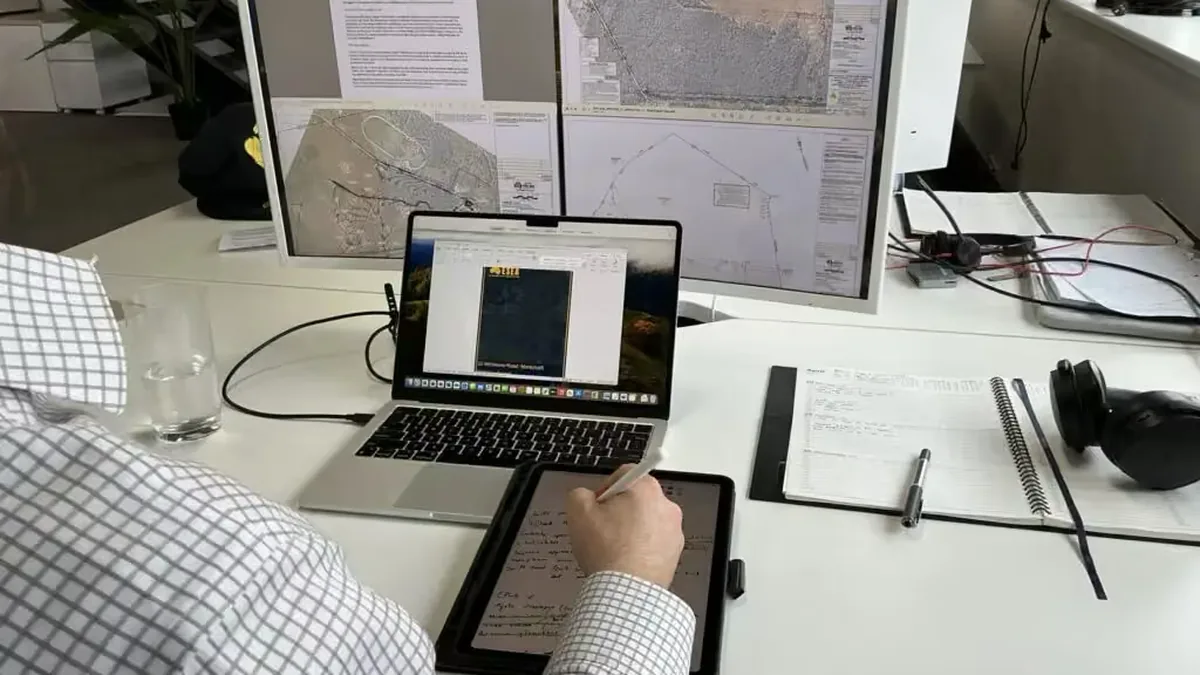
ESEA contributed to the Review of Environmental Factors for the bridge project. We also prepared the biodiversity assessment, a vegetation management plan, and separate management plans for koalas and the White-bellied Sea-Eagle.
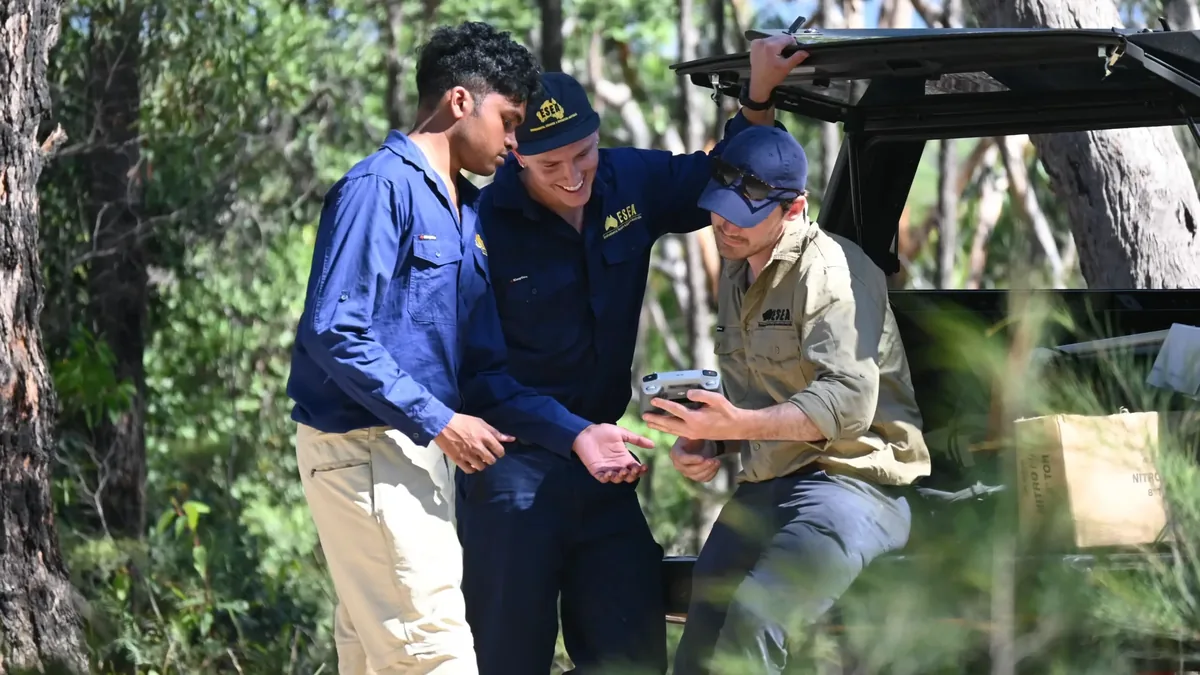
Once works began, we delivered pre-clearing surveys and vegetation clearing supervision. Pre-clearing surveys check each area for fauna before vegetation is removed. Clearing supervision means an ecologist is present while clearing happens, to stop works if an animal is found and to make sure the approved limits are followed.
Monitoring the nest
Nest cameras were installed on 3 June 2025 so the nest could be monitored without people approaching it. On 18 July 2025, the cameras recorded two hatchlings.
Camera monitoring lets a nest be watched without adding disturbance of its own, and gives a record of the breeding attempt alongside the works.
We are not publishing the location of the nest or images of it. Keeping nest sites private helps protect the birds from further disturbance.
Why this matters for infrastructure projects
Many infrastructure corridors in NSW pass through habitat for threatened species. Early assessment, a clear management plan, and an ecologist on site during works allow construction to continue while meeting approval conditions and protecting the species.
You can read more about the project in our bridge project summary, or see our wider biodiversity services.
Related projects: an ecological hold for nesting birds during the reserve pre-clearing and drone survey at Campbelltown.
Related updates: Koalas and stemflow, new research from our team.
Tell us about your site, project, or research programme, what you are looking to achieve, and the current stage of your project. Request a proposal