Biodiversity Stewardship
Feasibility and site assessment for landholders considering biodiversity credits


Detecting animals by body heat in darkness, dense vegetation, roof cavities, and wall voids that visual inspection cannot reach.
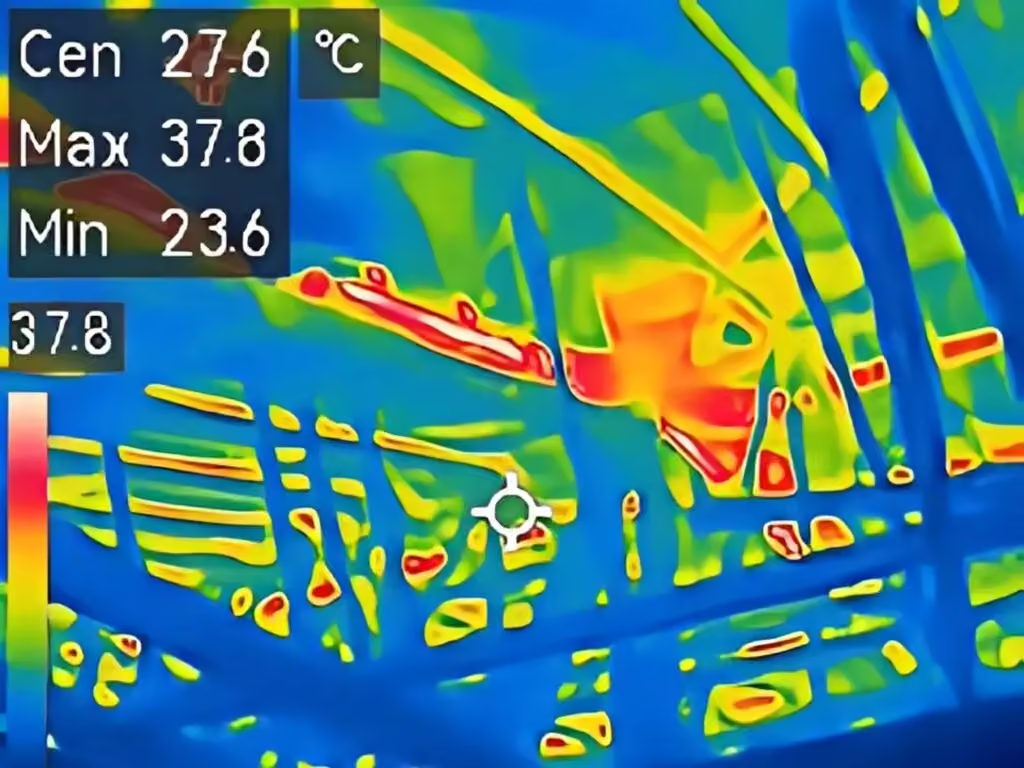
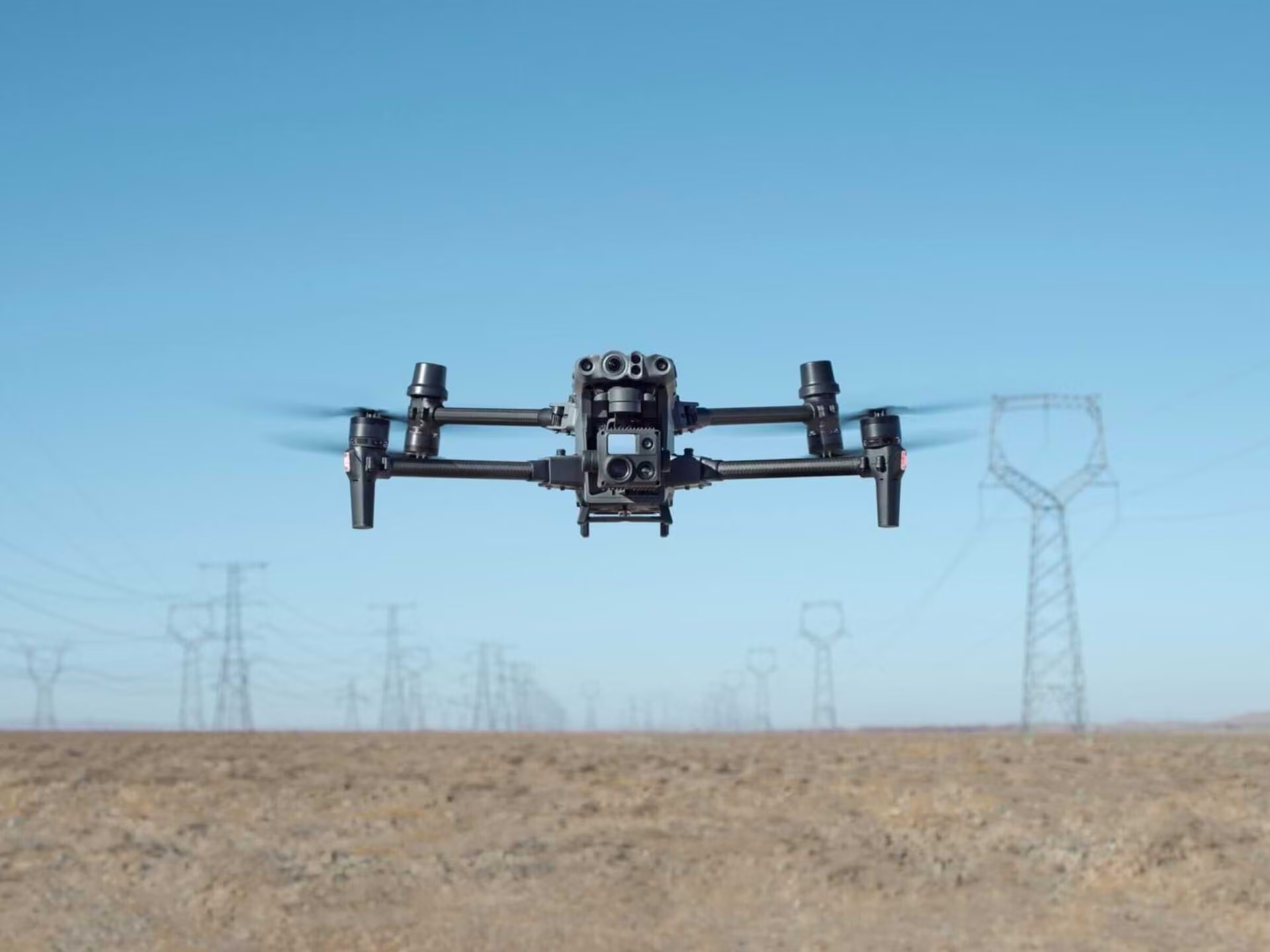
A thermal fauna survey uses a handheld or drone-mounted thermal imaging camera to detect heat signatures in places that can be difficult to inspect visually, including dense canopy, roof spaces, wall voids, and tree cavities.
In NSW, thermal imaging can be used as part of pre-demolition or pre-clearing fauna checks and within targeted surveys for nocturnal or cryptic species. It supplements, rather than replaces, any species-specific method required by a guideline or consent.
ESEA undertakes thermal surveys across Greater Sydney and regional NSW and combines thermal imaging with visual inspection, endoscope assessment, or acoustic methods where the survey purpose requires it.
Council conditions of consent requiring a fauna inspection before demolition or modification of a building
Pre-clearance of hollow-bearing trees, to identify occupied hollows before staged felling
Targeted surveys for nocturnal or cryptic species that standard methods under-detect
Large or inaccessible sites where ground survey is impractical, combined with drone survey
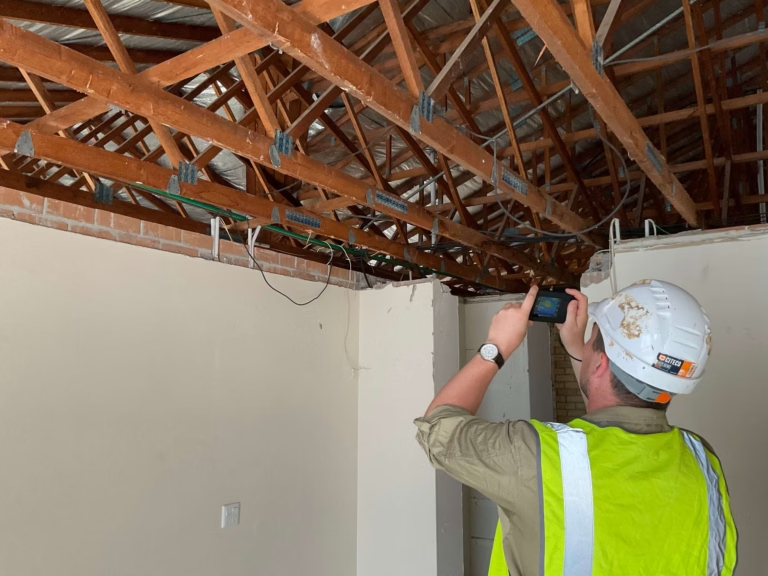
Thermal imaging records temperature differences, so a survey is planned for the time of day and conditions when an animal will contrast with its surroundings, usually dusk, night, or early morning.
Cavities and hollows are inspected with an endoscope where thermal alone cannot resolve them, and visual assessment covers evidence of occupation such as droppings and staining. Where the target is a threatened microbat, the inspection may be combined with dusk emergence counts or acoustic recording as the guideline requires. ESEA’s reporting states what was inspected, when, under what conditions, and what was found.
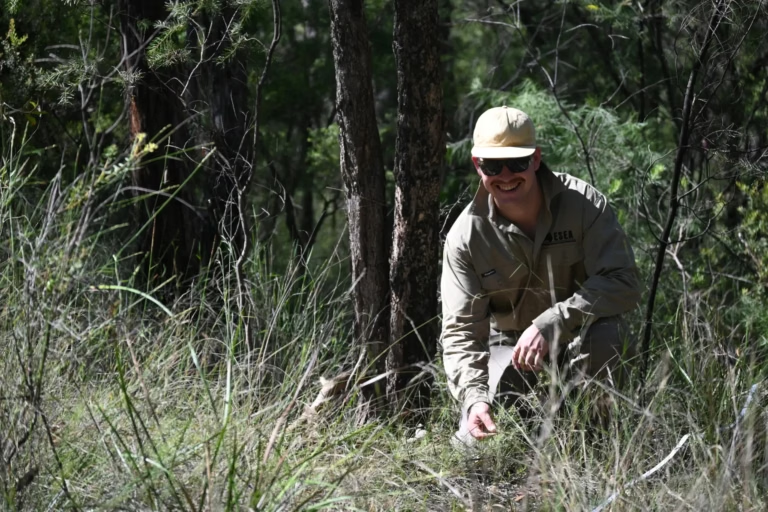
Ahead of demolition at a site in Sydney's inner west in 2025, ESEA combined thermal imaging, endoscope inspection, and visual assessment of every building cavity and confirmed no fauna were present in the inspected cavities at that time, allowing the ecological inspection requirement to be addressed and demolition to proceed on schedule.
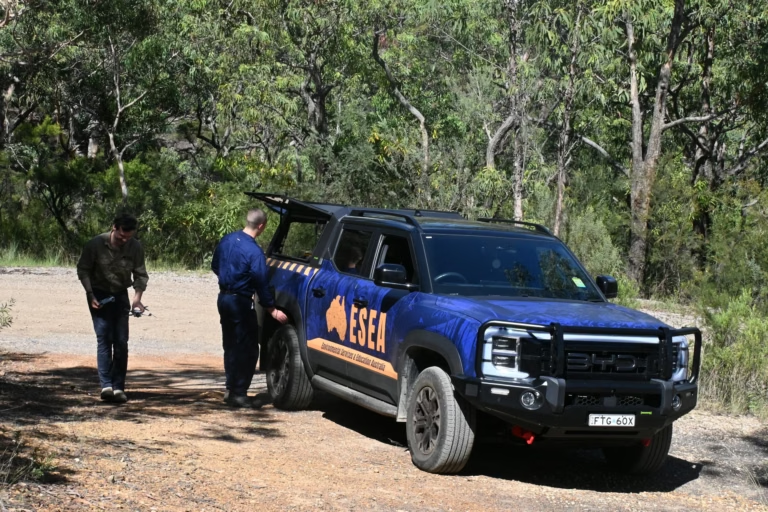
Thermal surveys are usually needed close to a demolition or clearing date, so ESEA plans them around the contractor's programme, attends on the agreed night, and reports within days so the inspection requirement can be addressed and the works can proceed.
Where thermal imaging forms part of a wider pre-clearing or targeted survey programme, one team carries the evidence through, which avoids repeat inspections and keeps the programme moving. Your survey is managed by an experienced Senior Consultant from commencement through to completion, with Director-level review providing an additional layer of technical and strategic oversight.
ESEA's fees for a thermal fauna survey generally fall between about $2,000 and $10,000 plus GST. The number of buildings or trees, whether a night survey and repeat emergence counts are needed, and whether ground or aerial methods are used drive the figure. A focused pre-demolition inspection and a full targeted microbat survey are different scopes even though both use thermal equipment. We quote an itemised scope so you can see what is included and what would be a variation.
Three to five business days is preferred, and a week or more where several nights, restricted access, or additional investigation may be needed. We do not promise same-day mobilisation.
Yes for canopy, tall trees, and large areas, where a drone-mounted thermal camera covers ground a handheld unit cannot. Building cavities and hollows usually need the handheld camera and the endoscope. Most surveys use both.
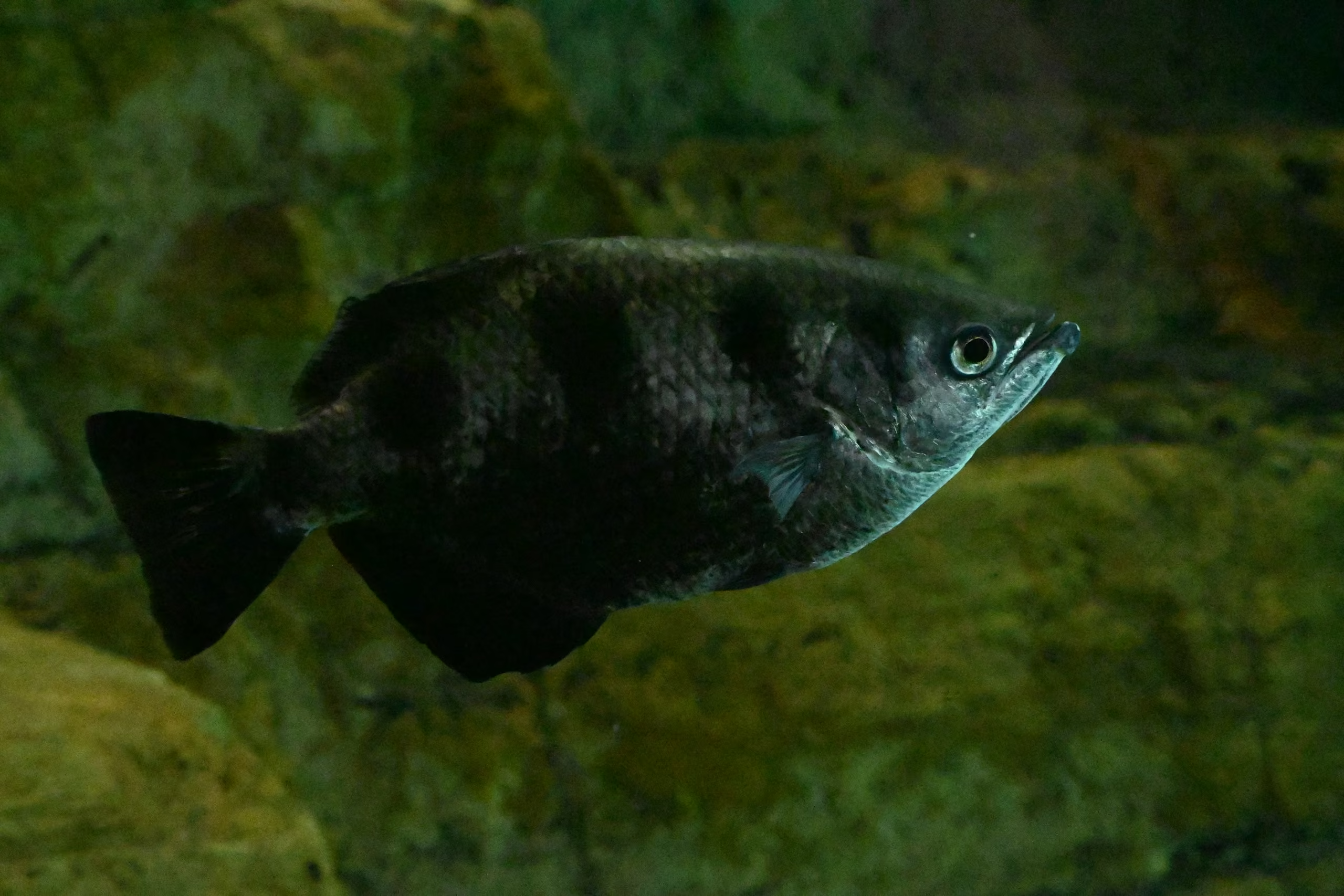

Tell us about the structure or trees and the planned works date. We will plan a thermal inspection that confirms whether microbats, possums, or gliders are present before work begins.