


BIODIVERSITY SERVICES
Ecological research and monitoring
Designed studies with a stated question, a defensible method, and results that can be used for management and approval decisions.
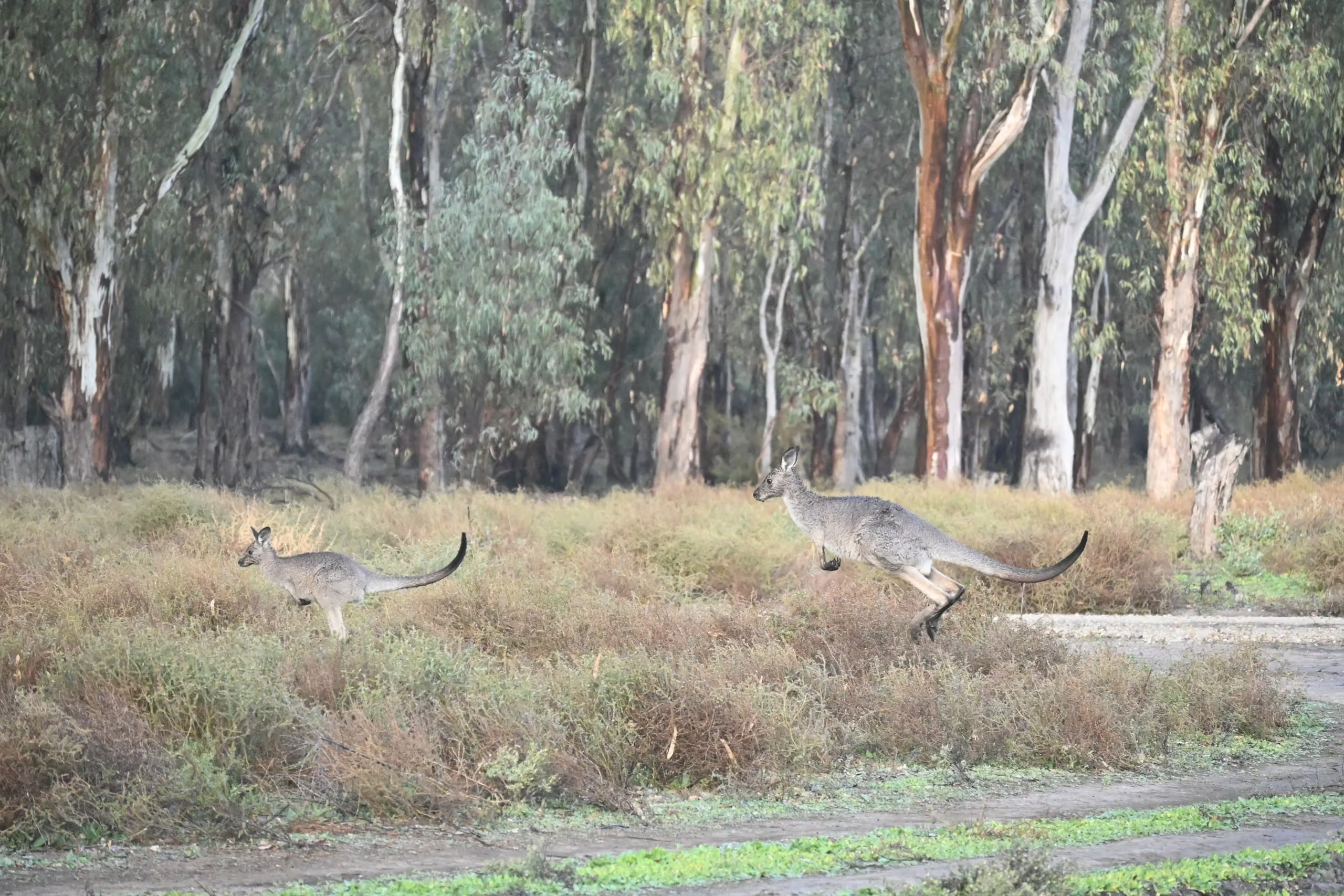
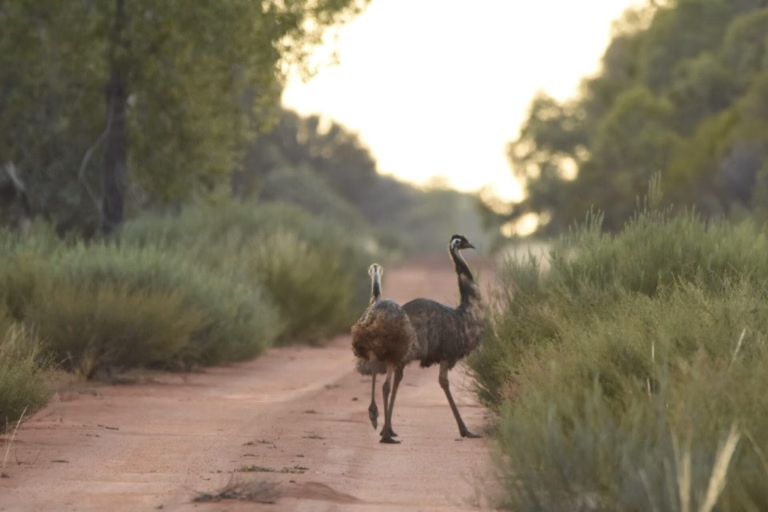
Commissioned ecological research differs from a compliance report in that it starts with a question and a study design. ESEA scopes and runs baseline studies, long-term monitoring programmes, targeted investigations, and spatial analysis for councils, government agencies, developers, and research and education organisations across NSW, choosing sampling methods, replication, survey periods, and statistical approaches to suit the question, and reporting in a form that withstands peer review and supports the decision the client has to make.
WHAT WE DO
Where research fits
Councils may commission monitoring to know whether a reserve, a restoration site, or a threatened species population is improving.
Government agencies may commission baseline studies before a program commences or after a disturbance such as fire. Developers may commission monitoring when a consent condition requires it over several years. Schools and universities may commission field programmes that need professional design and licensing. In each case, the method has to be able to answer the question, which means enough replication, the right season, and an analysis chosen before the data is collected rather than after.
WHAT IS INCLUDED
What our ecological research service includes
01
Study design, including sampling approach, replication, duration, analytical method, and reporting requirements
02
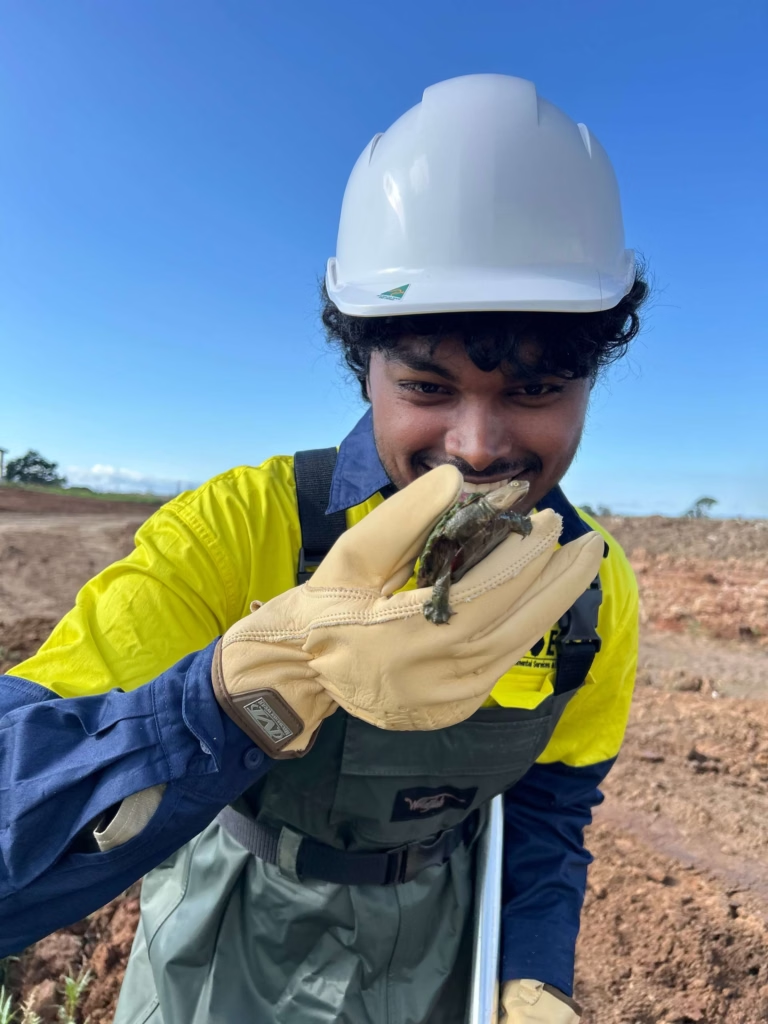
Field methods such as quadrat sampling, transect surveys, targeted species assessment, acoustic and camera monitoring, and drone or thermal survey where they add data
03
GIS, remote sensing, and spatial analysis, including habitat modelling
04
Technical reports with methods, results, statistical analysis, and interpretation, and plain-language summaries for councils and boards
05
Long-term monitoring with consistent methods so trends are real rather than artefacts of changed effort
RESEARCH BACKGROUND
The team's research background
Connor Flanagan co-authored Koalas (Phascolarctos cinereus) and Stemflow: Drinking More Than Just Water, published in Austral Ecology in 2025, examining how koalas use water flowing down tree stems.
HOW WE WORK
How we design ecological research and monitoring
Research and monitoring programmes succeed on design and delivery. ESEA scopes the question with you at the outset, chooses a method that will answer it within the budget and timeframe you have, and reports to clear timelines so the results arrive when the management or approval decision has to be made.
Your programme is managed by an experienced Senior Consultant from commencement through to completion, with Director-level review providing an additional layer of technical and strategic oversight, and we keep communication responsive throughout the field programme so there are no surprises at reporting.
FAQ
Ecological research and monitoring FAQs
The size, duration, and design determine the effort and price. There is no fixed price for all research programmes. ESEA’s proposal sets out the sampling, analysis, and reporting so the price reflects a defensible method.
ESEA’s research is designed to be robust and defensible, so that the results can be relied upon by a council, an agency, or a determining authority.
Yes. Education and research organisations are one of the client groups ESEA is set up for, from a professionally designed and licensed field programme for a school campus to long-term monitoring on university land.
Related Biodiversity Services

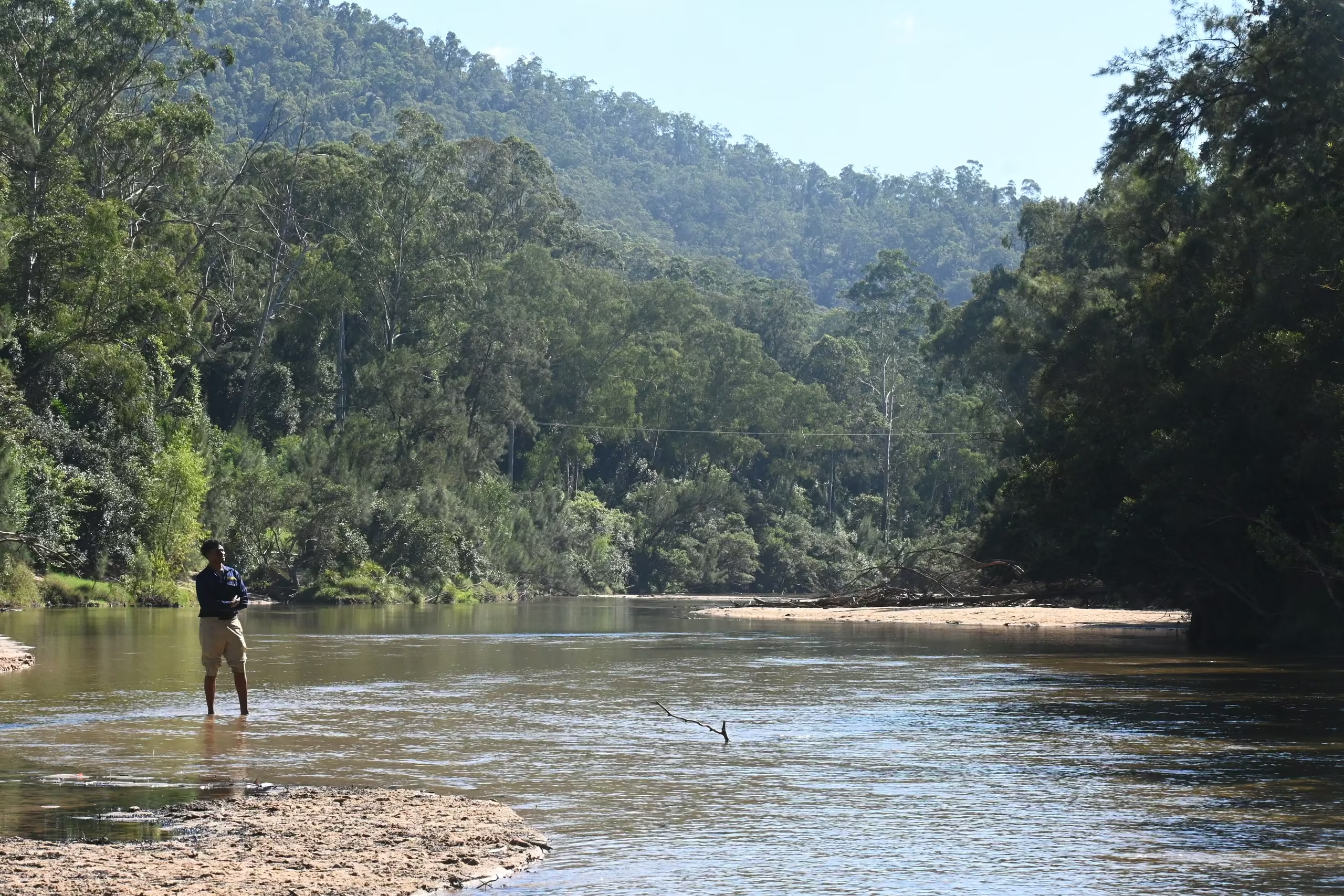
Controlled Activity Approvals
Waterfront land advice and applications for works within 40 metres of waterways
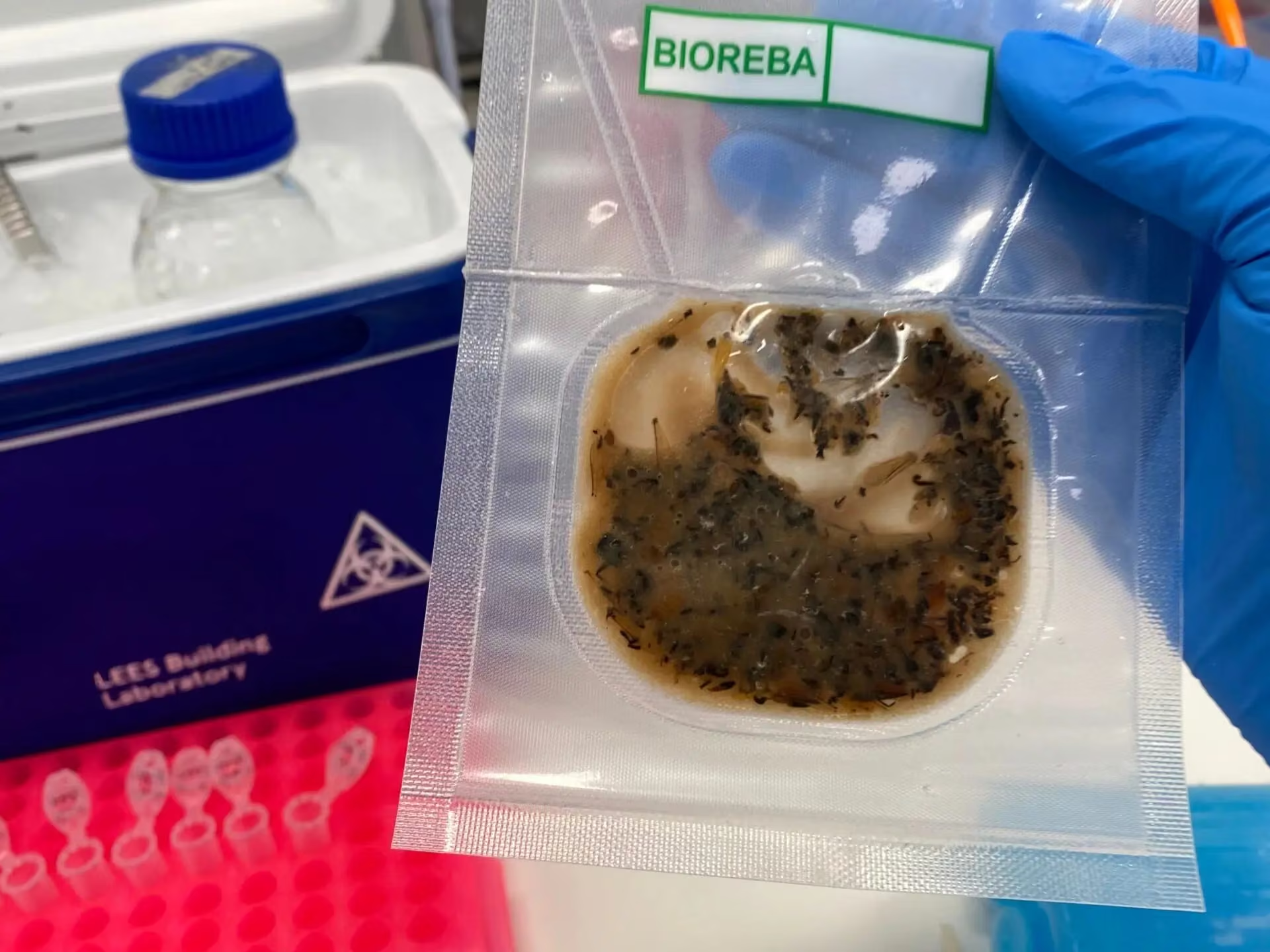
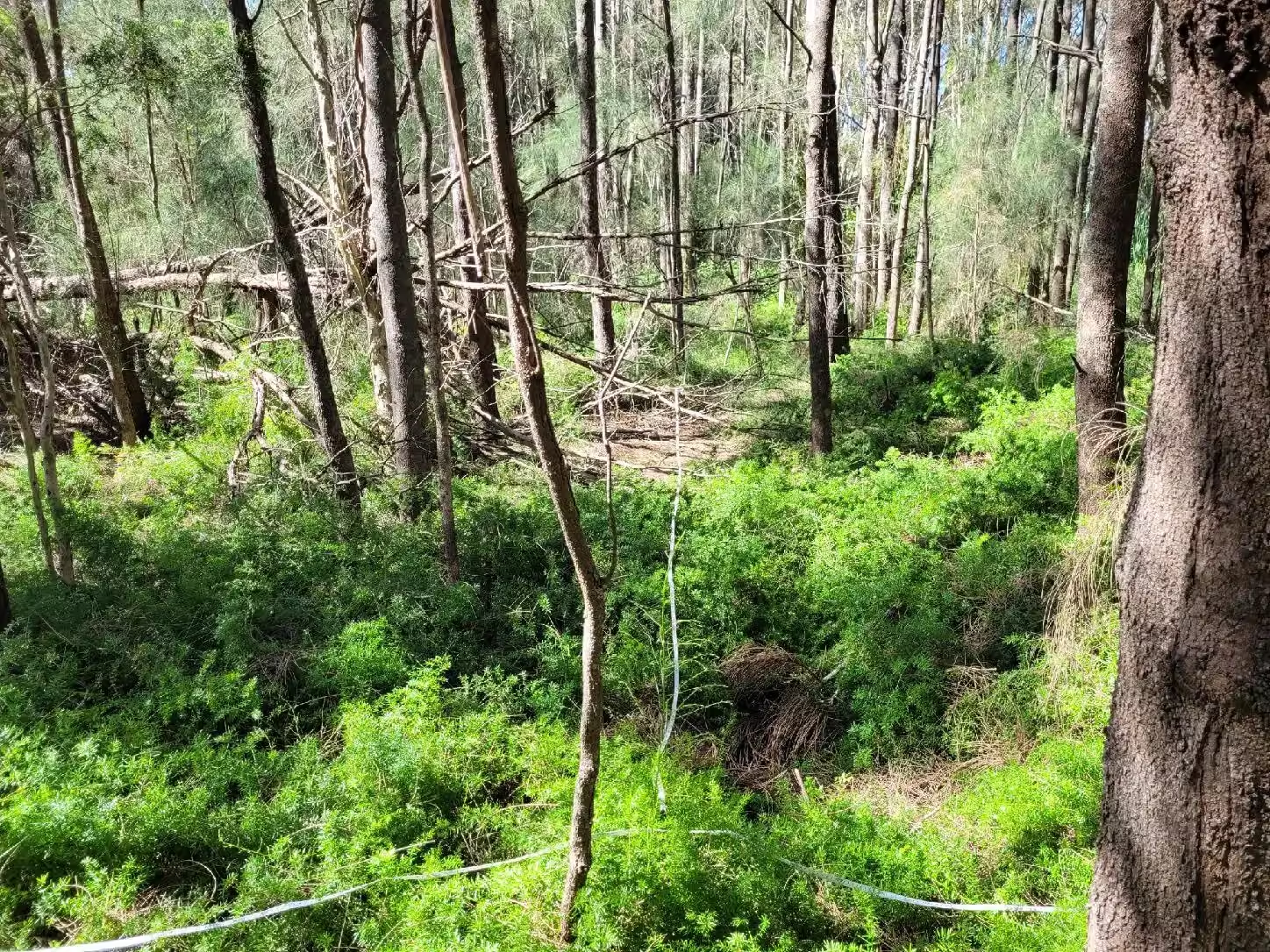
Biodiversity & Ecological Assessments
Statutory biodiversity assessment, from early constraints checks to a full BDAR
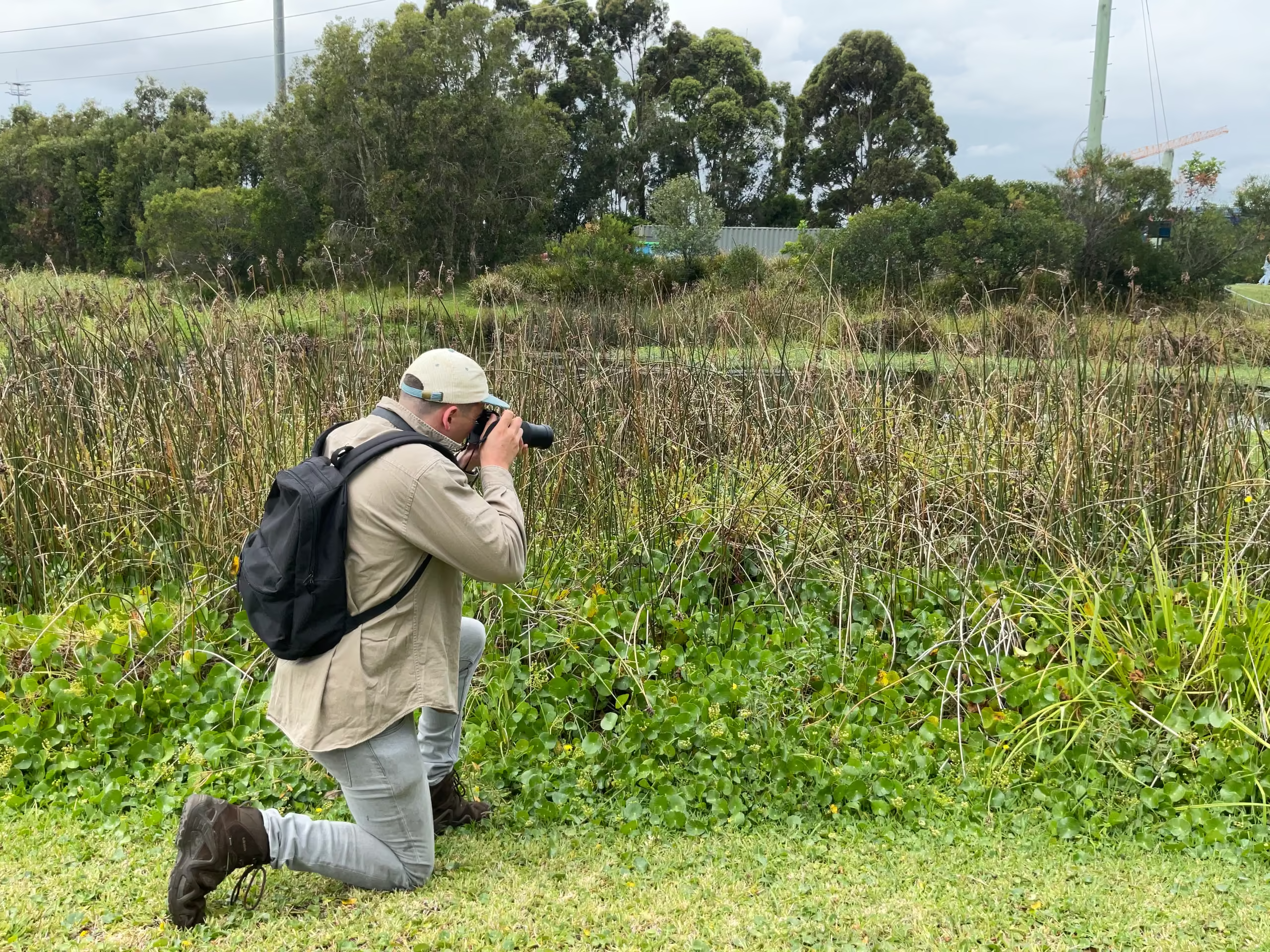
Vegetation Management Plans
Practical, council-ready plans for retained vegetation and rehabilitation areas
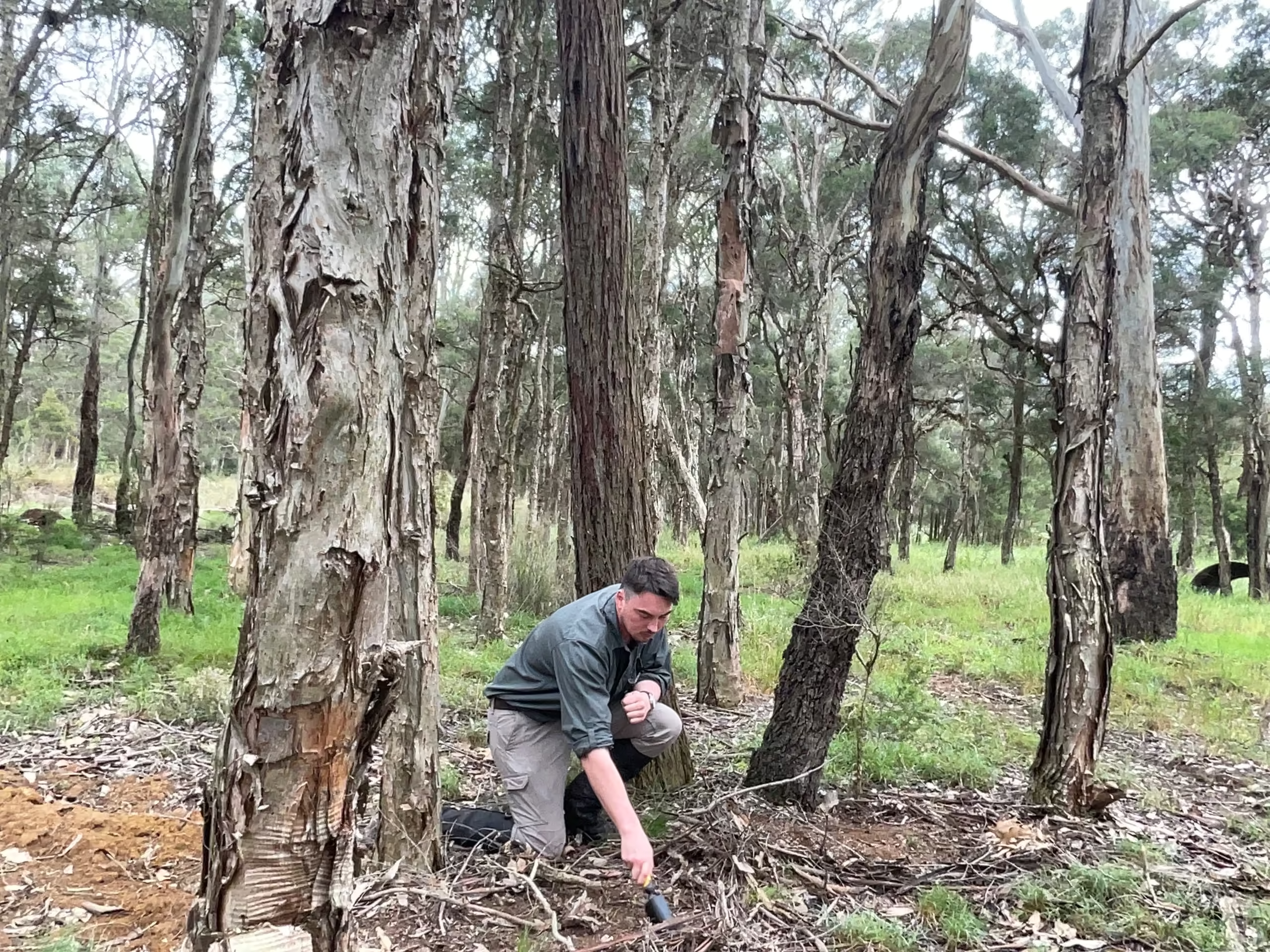
Review of Environmental Factors
Division 5.1 assessment for council, utility, and public infrastructure works
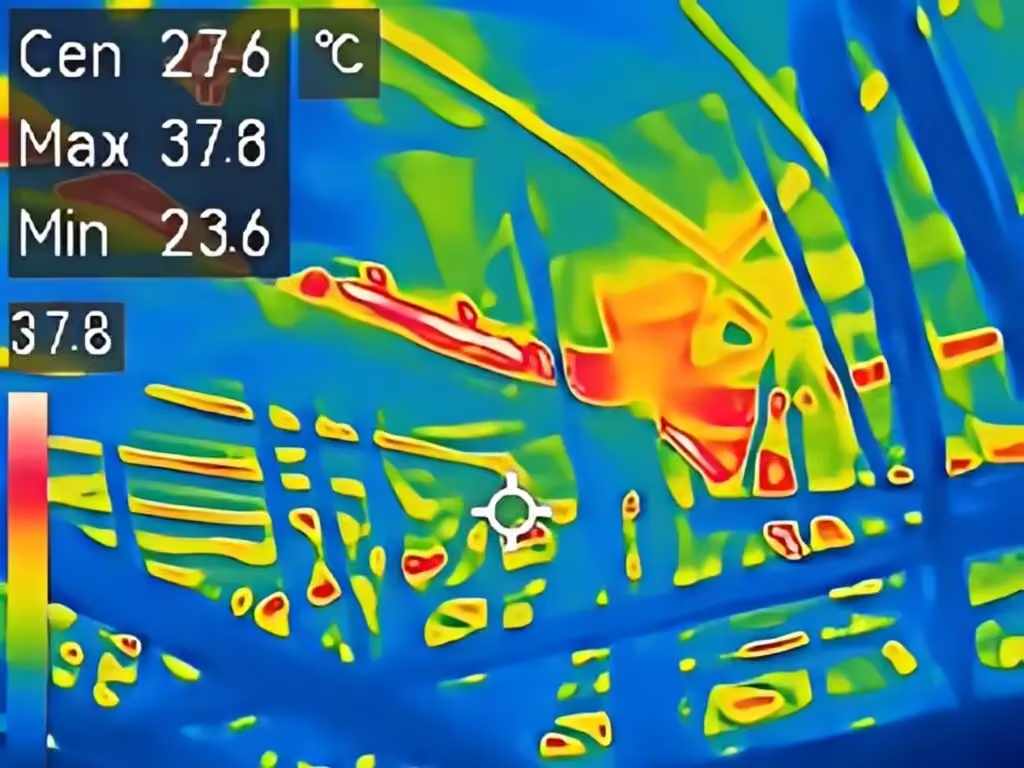
Thermal Surveys
Thermal inspection of buildings and hollow-bearing trees before demolition or clearing
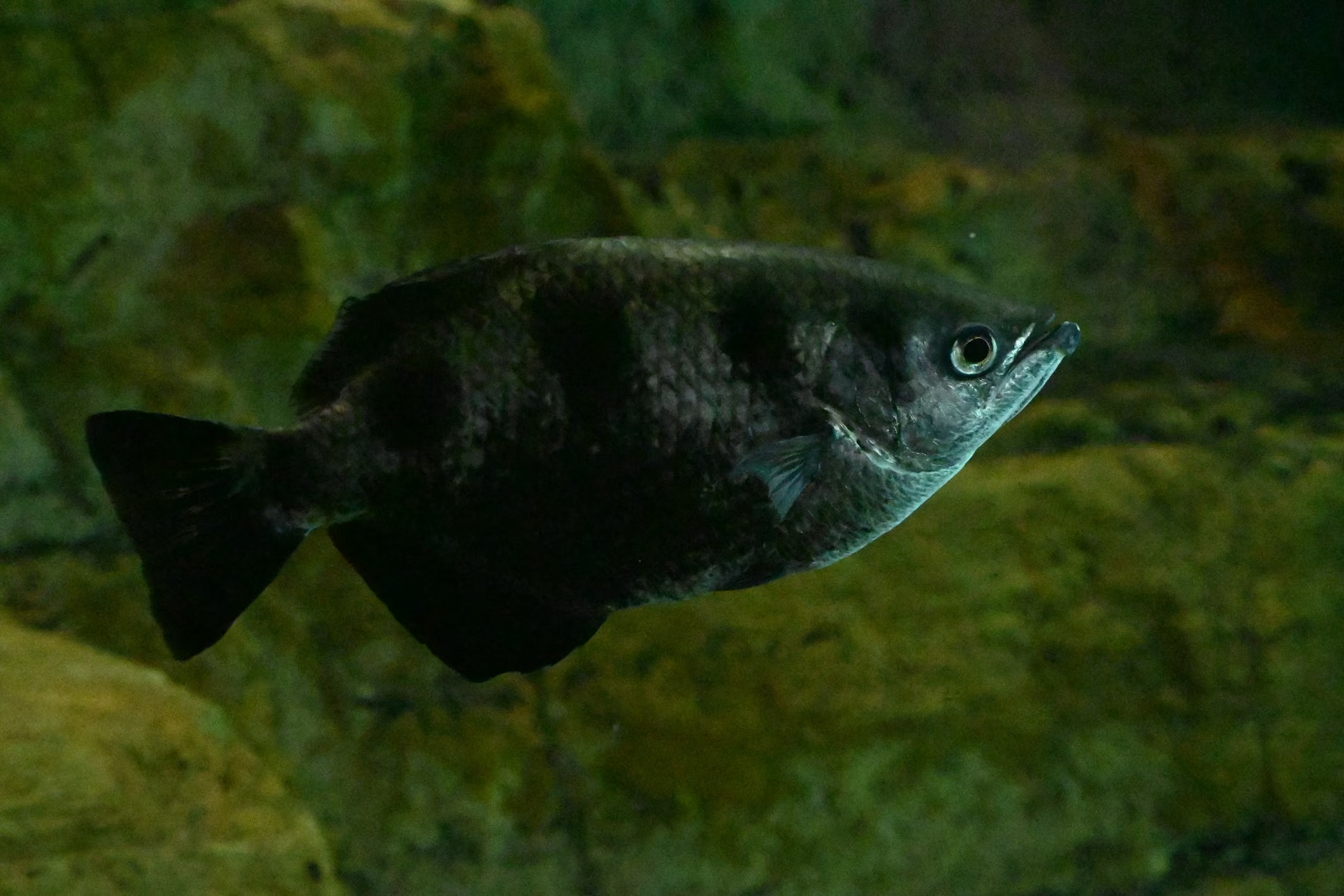
Dam Dewatering and Aquatic Ecology
Staged drawdown supervision and fauna salvage when a dam is drained
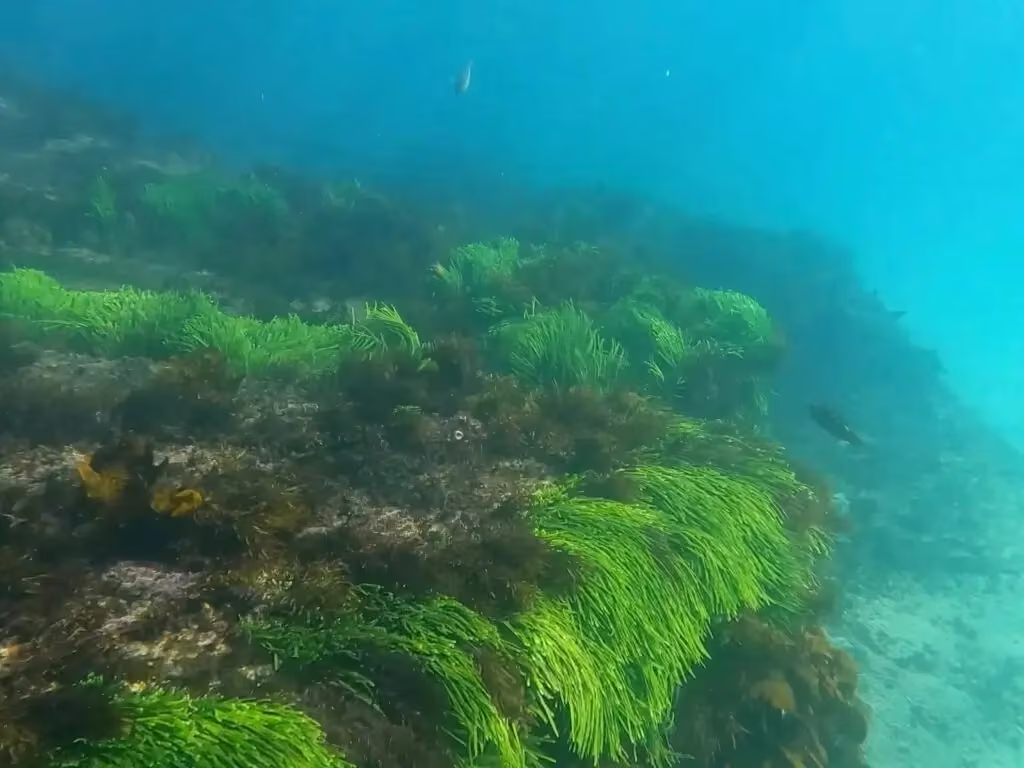

Targeted Species Surveys
Threatened species surveys timed to the season and conditions guidelines require
Biodiversity Stewardship
Feasibility and site assessment for landholders considering biodiversity credits
partner with us
Have a research or monitoring question?
Tell us what you need to find out and how the results will be used. We will design a study with a defensible method and results you can use for management and approval decisions.