Biodiversity Stewardship
Feasibility and site assessment for landholders considering biodiversity credits


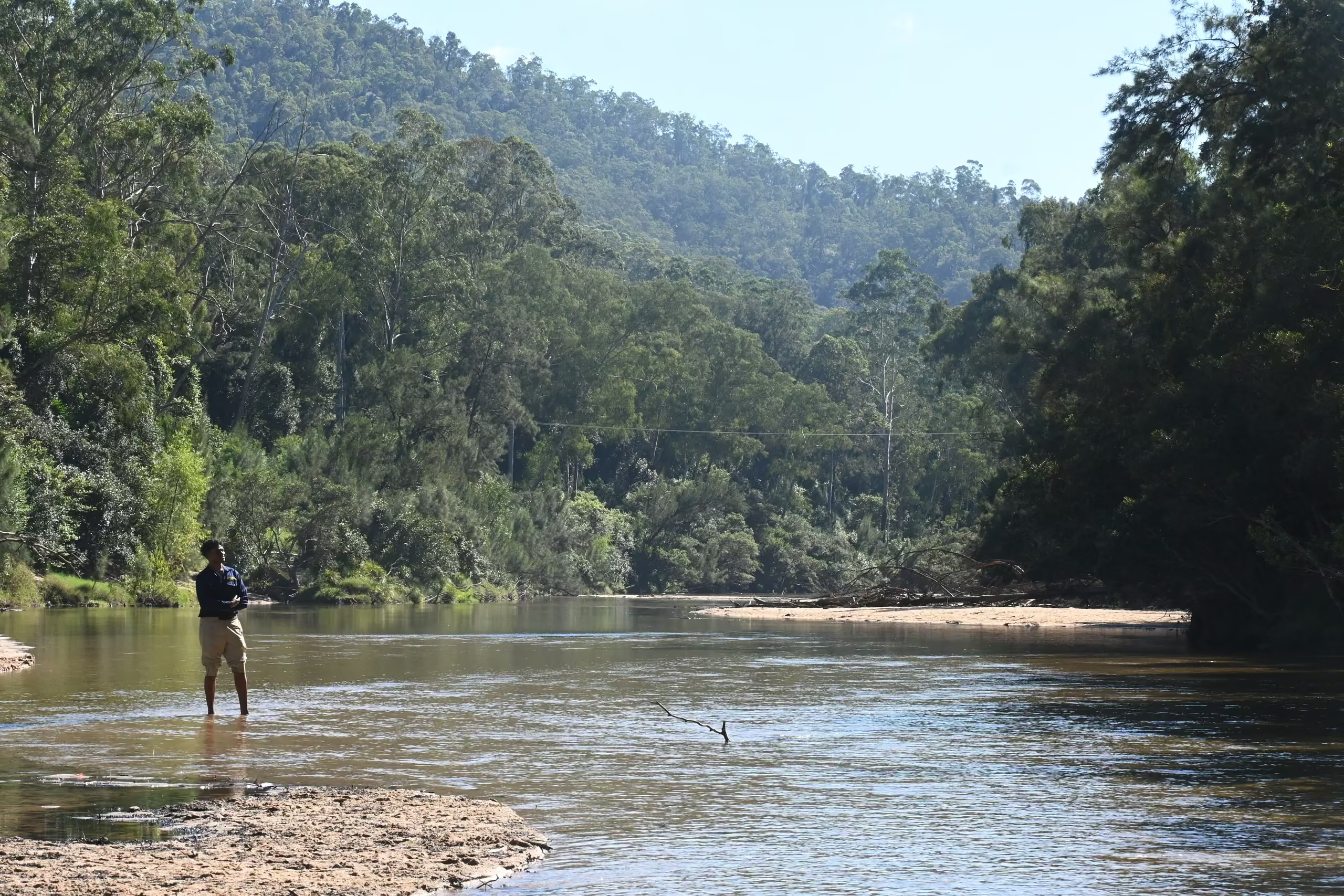
Habitat, water quality, and species assessment for rivers, creeks, dams, lakes, and estuaries affected by development.
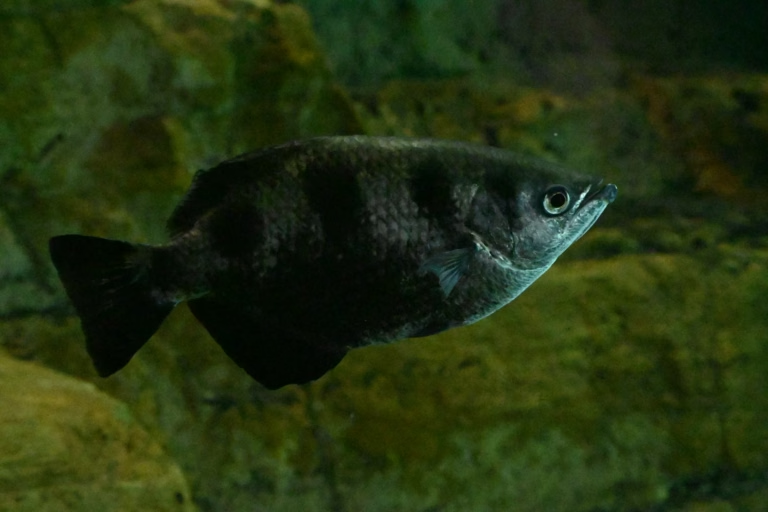
An aquatic assessment establishes the condition of a waterway, the habitat it provides, and the species using it, so a proposal near a river, creek, dam, lake, or estuary can be assessed and approved. In NSW, it commonly supports a Controlled Activity Approval, a condition of consent, a dewatering or realignment plan, or a monitoring programme, and it is where the Fisheries Management Act 1994 and its fish habitat guidelines come into play.
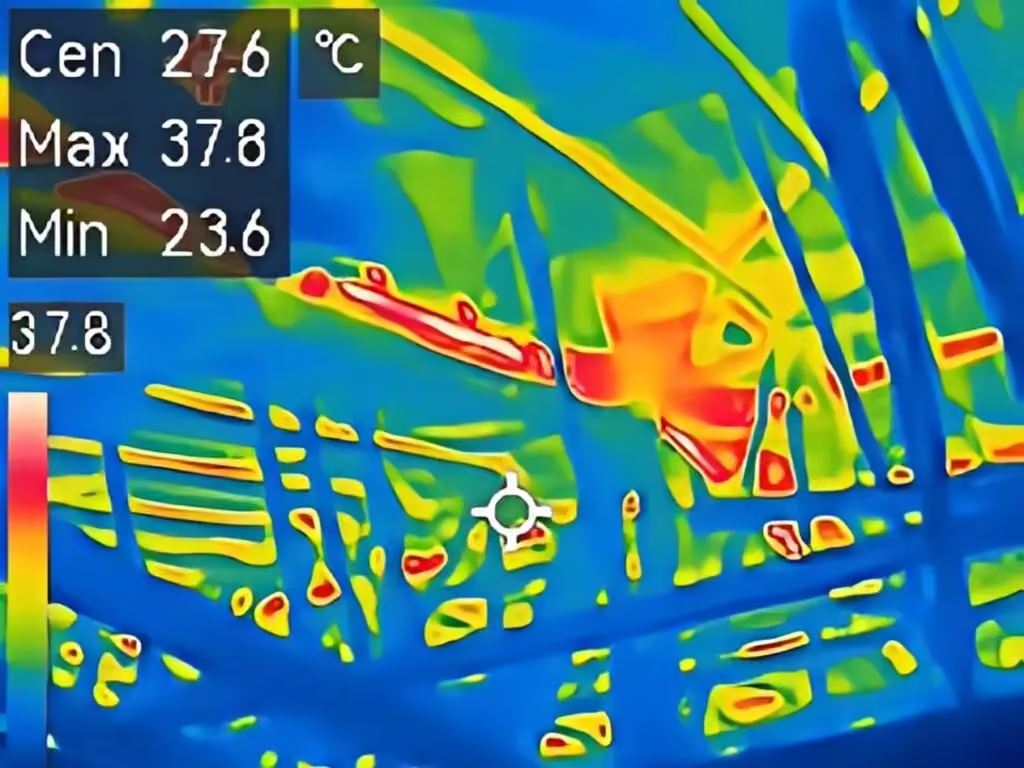
ESEA combines eDNA sampling, drone survey, water quality testing, and conventional field methods and reporting against the relevant NSW guidelines.
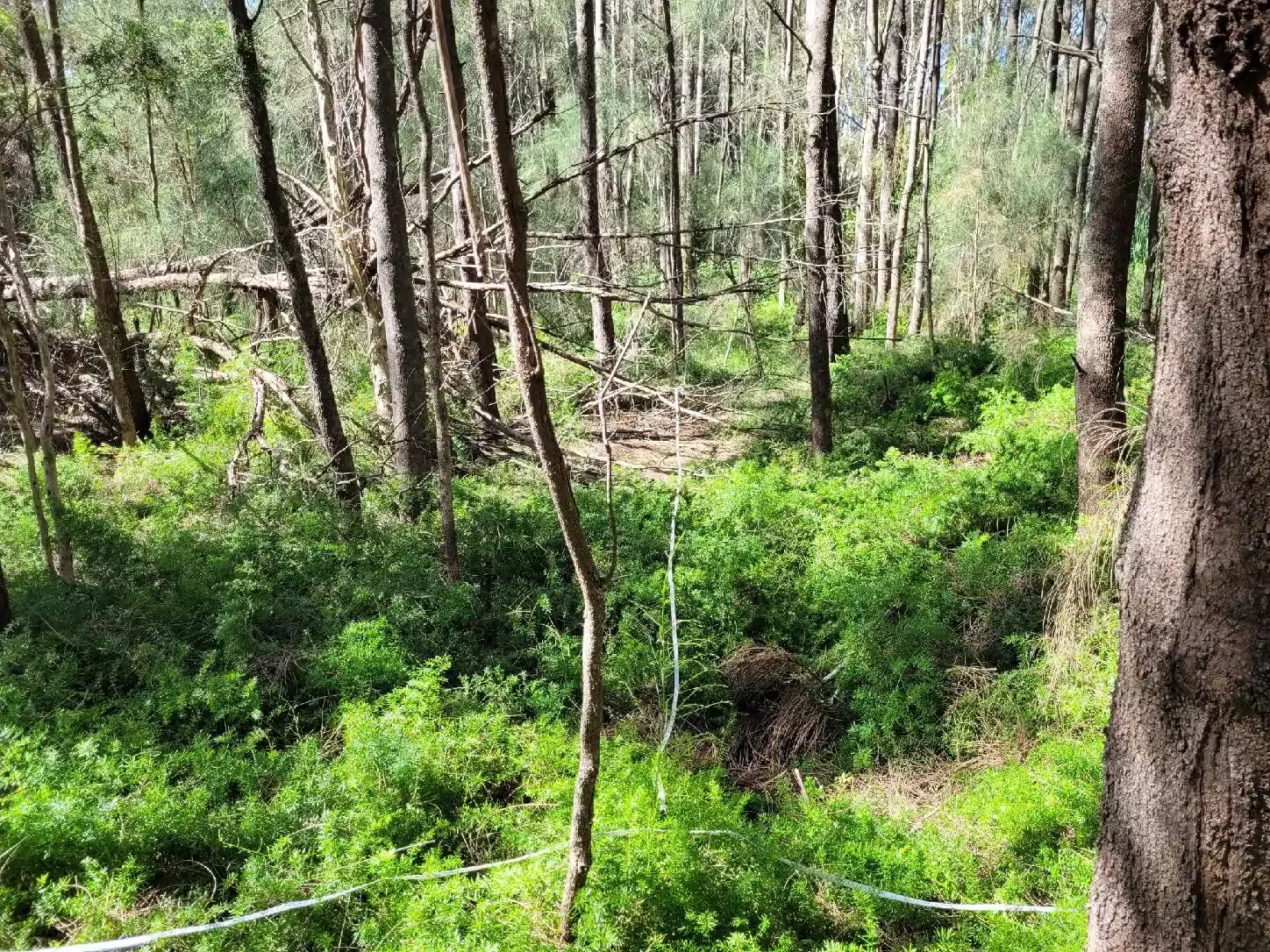
Habitat mapping, including fish habitat classification and the features a proposal would affect
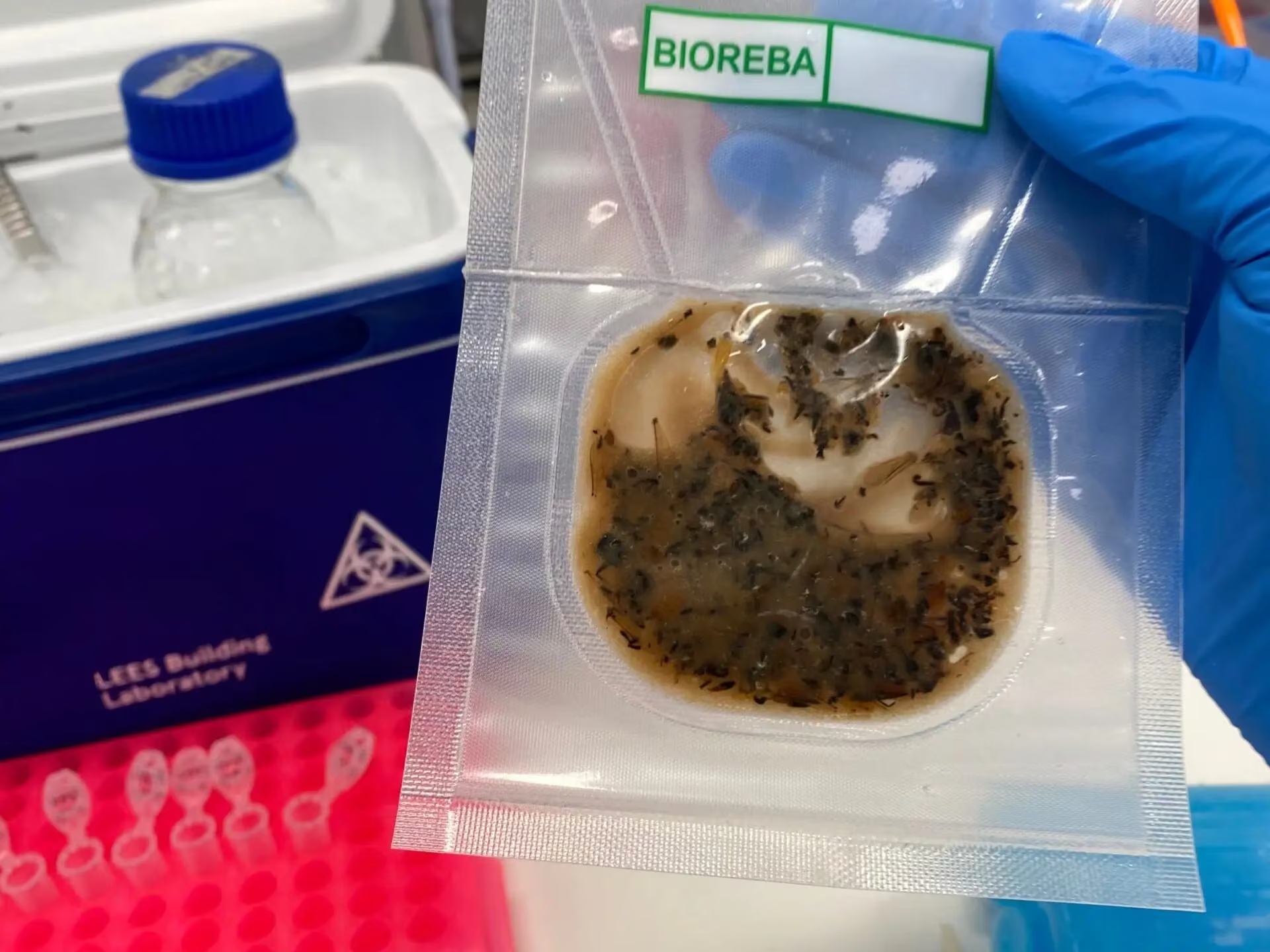
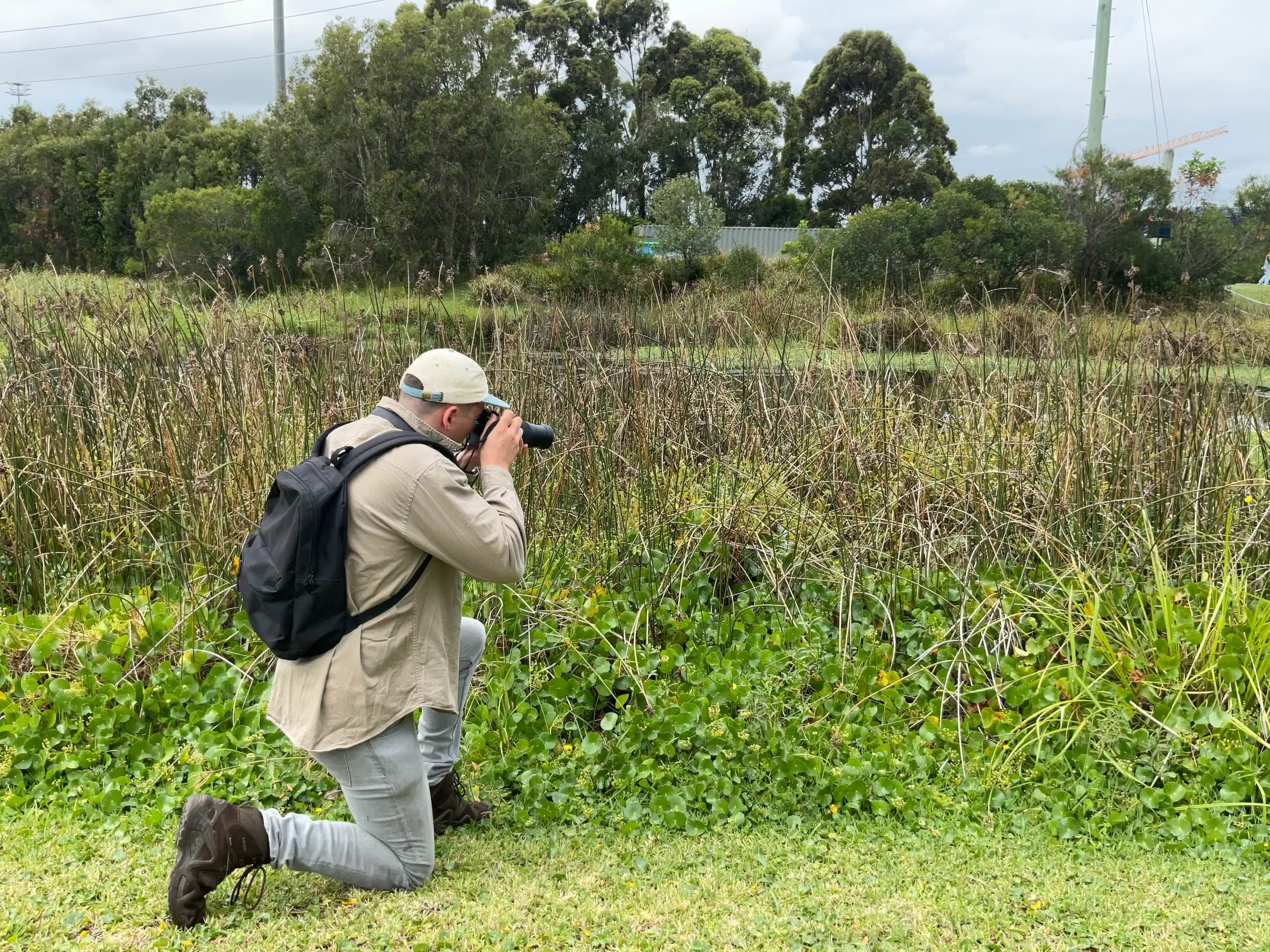
Species assessment by direct observation, netting where authorised, and eDNA
Water quality testing, field parameters, and laboratory analysis where required
Impact assessment and the safeguards required by a Controlled Activity Approval or consent condition
Advice on Fisheries requirements, including the notification and permits that apply before dewatering or works that obstruct fish passage
NSW Fisheries guidance states that Fisheries should be notified seven days before dewatering of temporary in-stream structures so potential fish-rescue requirements can be considered, and a separate permit under section 37 of the Fisheries Management Act 1994 may be required to relocate fish.
Works that temporarily or permanently obstruct fish passage may require a permit under section 219. The exact requirement depends on the waterbody, activity, and method, so ESEA confirms the current Fisheries pathway before fieldwork or dewatering begins.
ESEA provides ongoing water quality assessment within a vegetation management programme for a construction project, linking monitoring to management commitments rather than a one-off description of the waterbody.
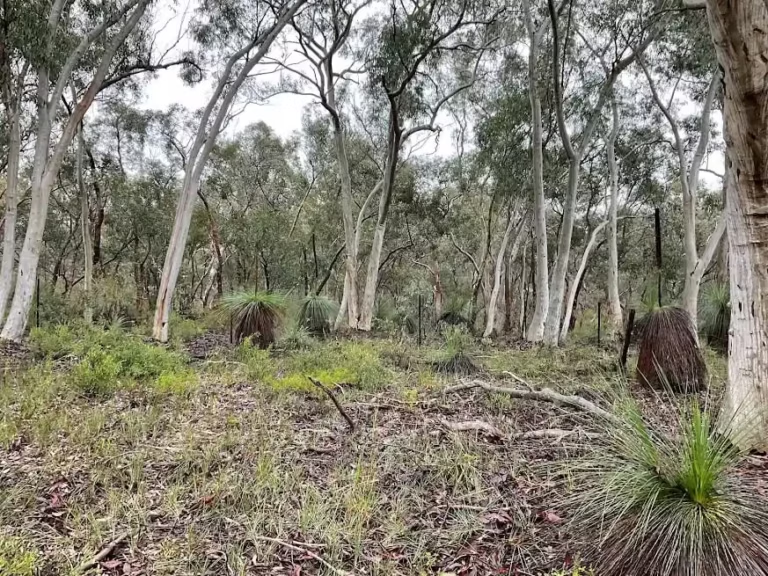
During a dam dewatering at Leppington in October 2025, ESEA's aquatic assessment and supervision saw 18 Speckled Longfin Eels and a Flathead Gudgeon relocated to a retained waterbody.
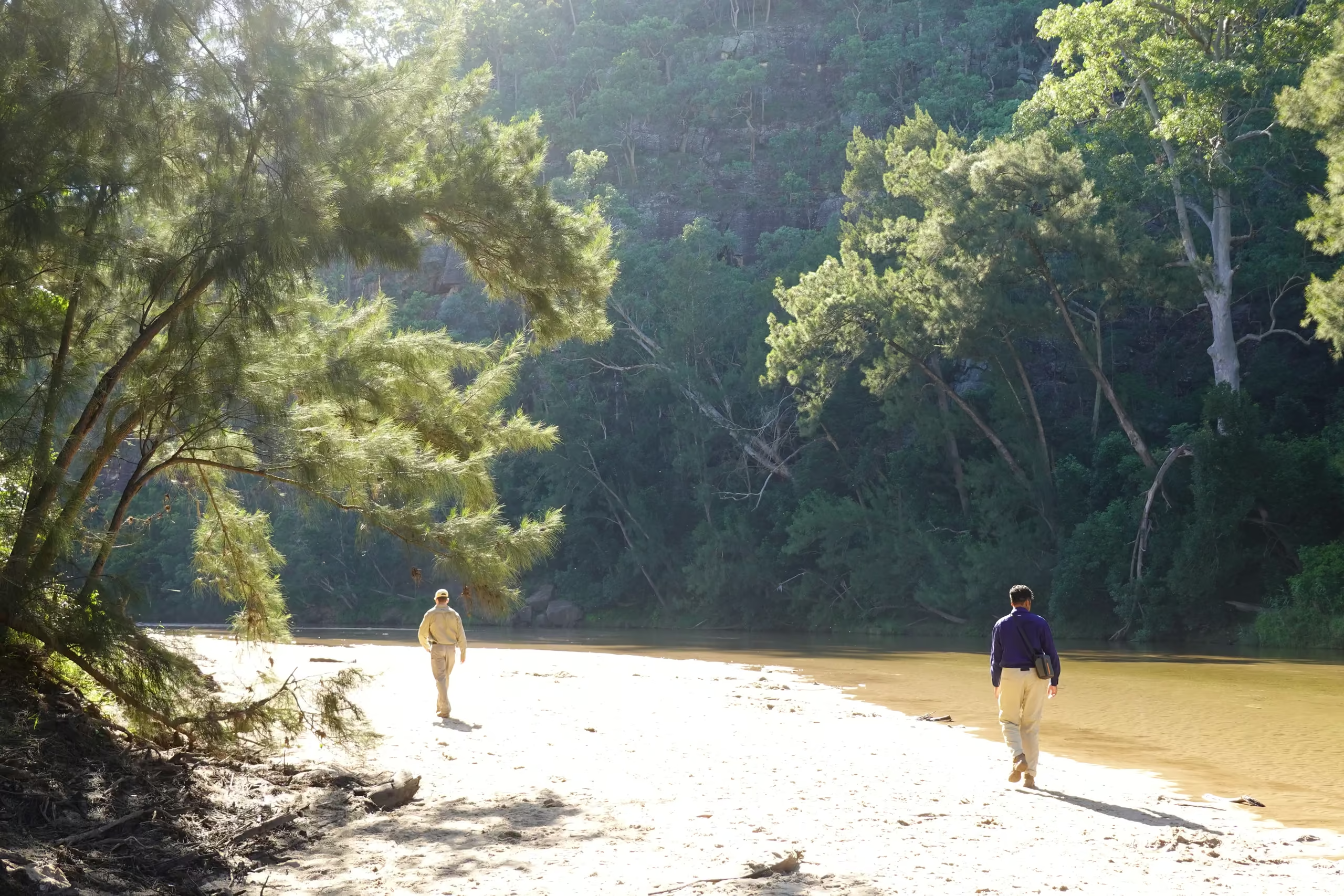
An aquatic assessment is most valuable when it is commissioned early, because the Fisheries notification periods, the permit pathway, and the seasonal sampling windows can otherwise become the item that sets the programme.
ESEA identifies those requirements from project commencement, develops practical solutions where a crossing, a dewatering, or a realignment can be designed to reduce the approvals it triggers, and provides clear timelines so the aquatic work supports the approval rather than delaying it. Your assessment is managed by an experienced Senior Consultant from commencement through to completion, with Director-level review providing an additional layer of technical and strategic oversight.
ESEA's fees for an aquatic assessment generally fall between about $6,000 and $15,000 plus GST. The number and type of waterways, the depth of habitat investigation, fauna survey requirements, and whether laboratory water quality analysis is included drive the figure. Permit requirements and safe access are resolved before the fee is finalised. We quote an itemised scope so you can see what is included and what would be a variation.
Usually two to six weeks where fieldwork and laboratory analysis are included, longer with repeat monitoring, permits, or unusual flow conditions.
It depends on the activity, species, location, and method, not simply on whether a waterway is involved. Handling or relocating fish usually needs a section 37 permit and obstructing fish passage a section 219 permit. We identify the requirement and prepare the application as part of the assessment.



Tell us about the waterway and what is proposed. We will identify the Fisheries notifications, permits, and sampling windows early, so the aquatic assessment does not end up setting your programme.