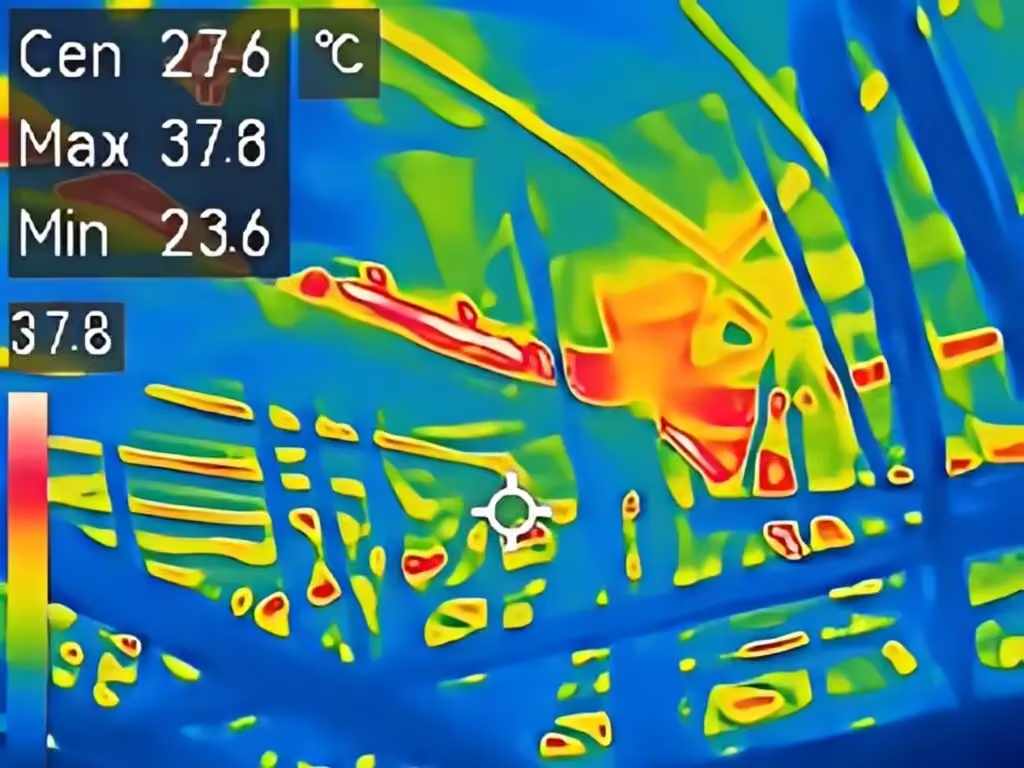
Thermal Surveys
Thermal inspection of buildings and hollow-bearing trees before demolition or clearing


Independent technical review of another consultant's biodiversity assessment, BDAR, or ecological report, before it goes to the assessor or the court.


An ecological peer review checks whether a biodiversity assessment, BDAR, flora and fauna assessment, or management plan is supported by adequate field evidence, consistent mapping, the correct method under the Biodiversity Assessment Method and current NSW guidelines, and sound impact and mitigation conclusions.
ESEA undertakes biodiversity peer review work for councils in the Greater Sydney region, reviews reports for proponents who want a second opinion before lodgement and provides independent expert ecological input in Land and Environment Court matters.
Reviews are undertaken by a BAM Accredited Assessor who had no part in preparing the report.
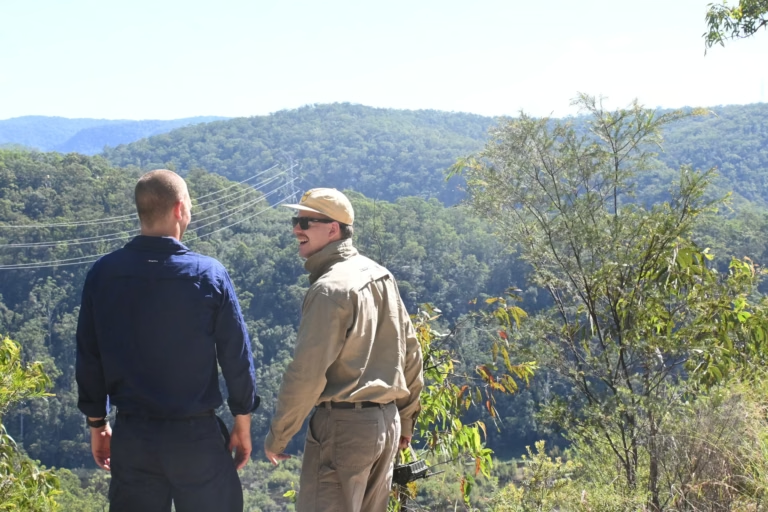
Councils commission independent review to test the ecological evidence submitted with a development application, because their own assessment staff cannot check every plot and every species decision.
Proponents commission review before lodgement, to find the gaps and inconsistencies the assessor would otherwise find, and the review is confidential to them. Legal teams commission expert review where a matter is contested, and there the review has to be independent technical evidence, not advocacy.
ESEA does all three, and the discipline of doing council reviews is why our own reports are written to survive one.
Methodology against the BAM, the relevant guidelines, and the current instruments
Field evidence, plot data, survey effort, seasonality, and whether candidate species were adequately surveyed or assumed present
Vegetation mapping and Plant Community Type assignment against the field data and the impact areas
Credit calculation inputs, avoidance and minimisation reasoning, and mitigation commitments
A clear written opinion with a list of what the author needs to fix, or, for councils, the questions to put back to the applicant
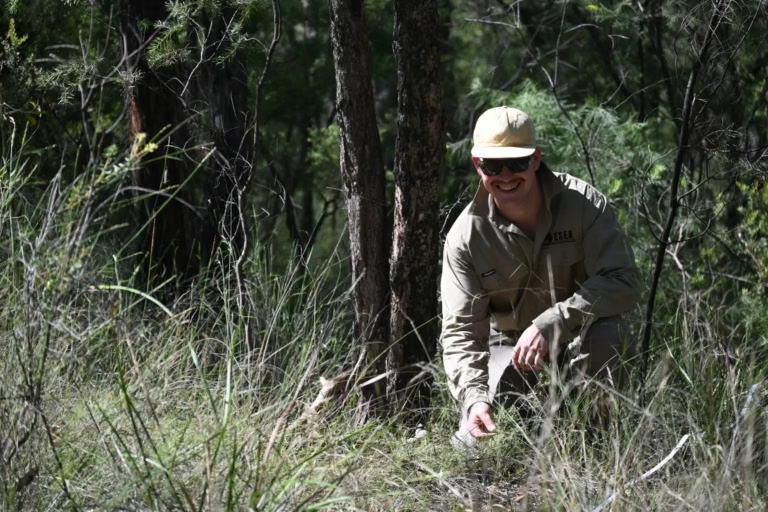
Peer review has to be independent, clear, and on time, whether the reader is a council officer with a determination deadline or a proponent with a lodgement date.
ESEA provides a written opinion that says plainly what needs to be fixed and what can be defended, responds quickly when the question is urgent, and keeps the review proportionate to the decision it supports. Every review is managed by an experienced Senior Consultant from commencement through to completion, with Director-level review providing an additional layer of technical and strategic oversight.
ESEA's fees for an ecological peer review generally fall between about $1,500 and $6,000 plus GST. The length and complexity of the report, the availability of supporting data, and whether field verification is needed drive the figure. A desktop review of a focused assessment is short; a complex BDAR needs detailed checks of mapping, field evidence, species decisions, and credit calculations, and additional rounds on revised reports are quoted separately. We quote an itemised scope so you can see what is included and what would be a variation.
A focused review usually takes one to five business days once the complete report and supporting data are supplied. Complex BDARs, field verification, or court-related matters may take one to two weeks or longer. Missing mapping or survey data can prevent a reliable review even where the report itself has been provided.
For proponents, yes. The review goes to the commissioning party only and is not disclosed to council or the original consultant unless you ask us to. Council reviews form part of the council's assessment record, and court evidence is governed by the court's rules.
Yes, that is the question a review answers, with reasons. It cannot tell you whether consent will be granted, which is the authority's decision, but it will tell you whether the report is likely to withstand assessment and what to fix if not.





Send us the BDAR or ecological report and your deadline. A BAM Accredited Assessor will confirm the scope and timeframe for an independent technical review before it goes to the assessor or the court.