Biodiversity & Ecological Assessments
Statutory biodiversity assessment, from early constraints checks to a full BDAR


Laboratory detection of target species from the DNA they leave in water and soil, without trapping or sighting them.
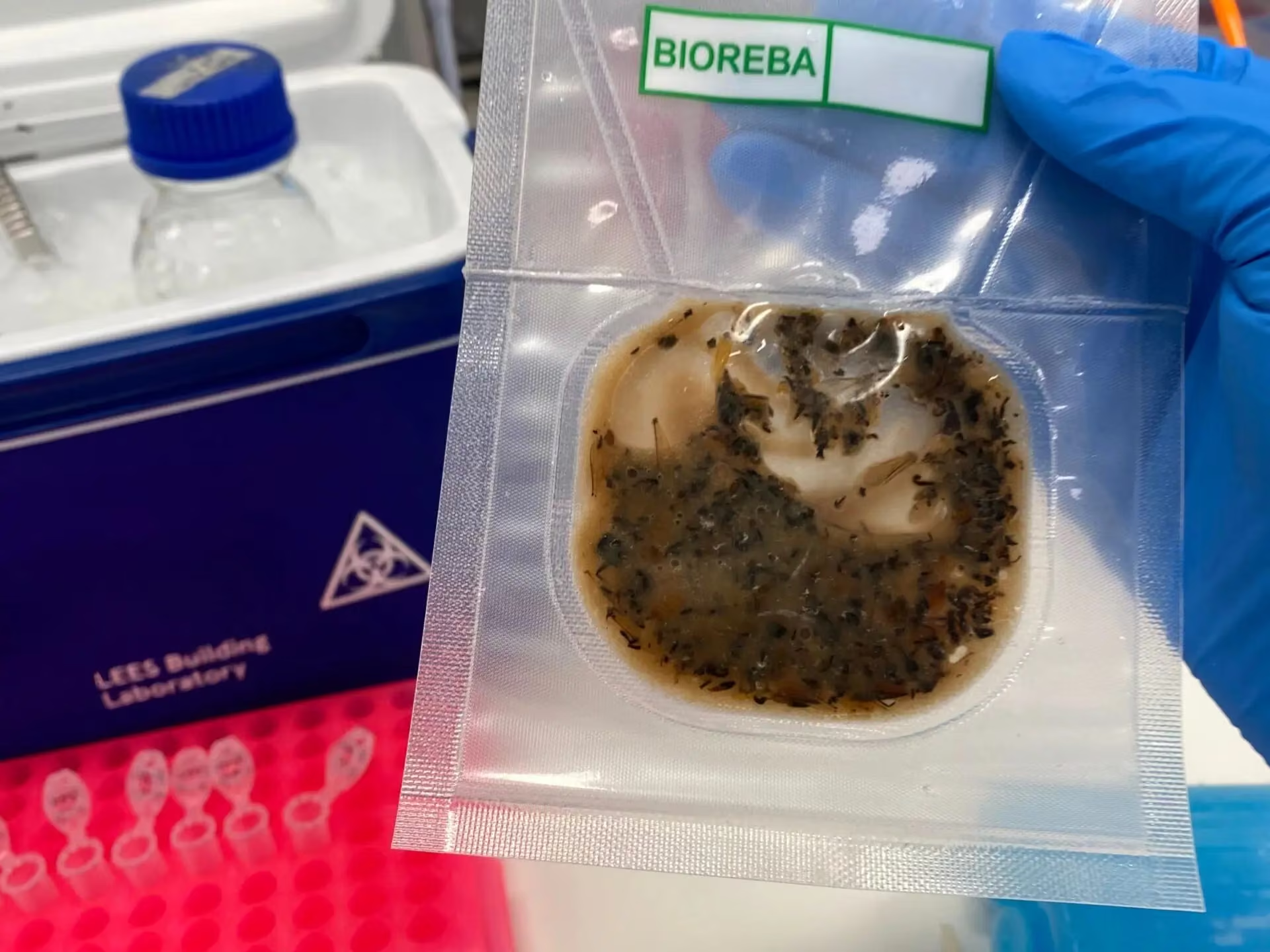

An environmental DNA (eDNA) assessment looks for DNA shed by a target species into the environment, commonly through water or soil sampling followed by laboratory analysis using species-specific assays or metabarcoding. It can provide sensitive evidence for aquatic, cryptic, or rare species with minimal disturbance.
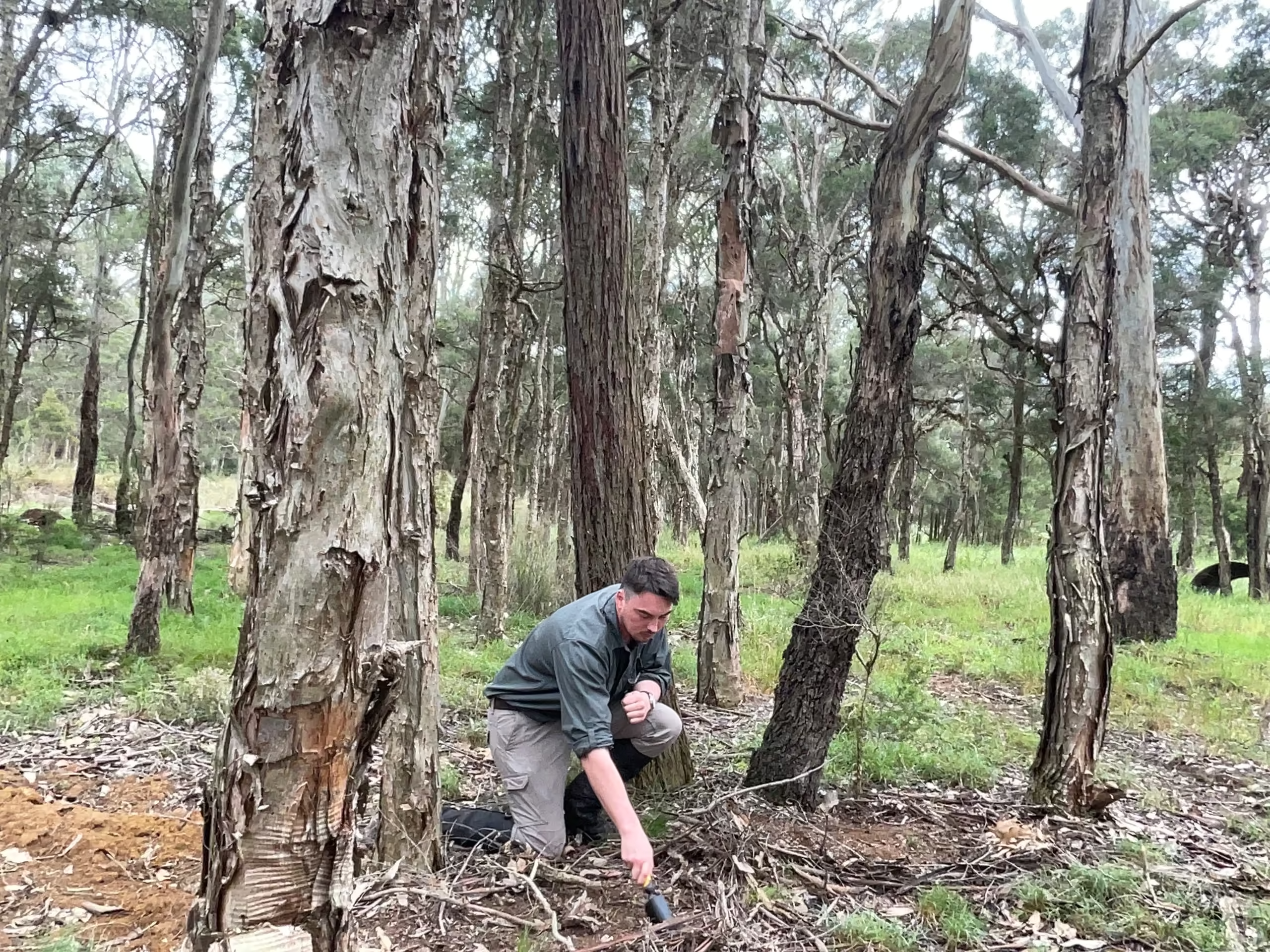
ESEA designs the sampling, collects samples using contamination controls, arranges specialist laboratory analysis, and reports what the result can and cannot establish, alongside conventional survey where a regulator or guideline requires both.
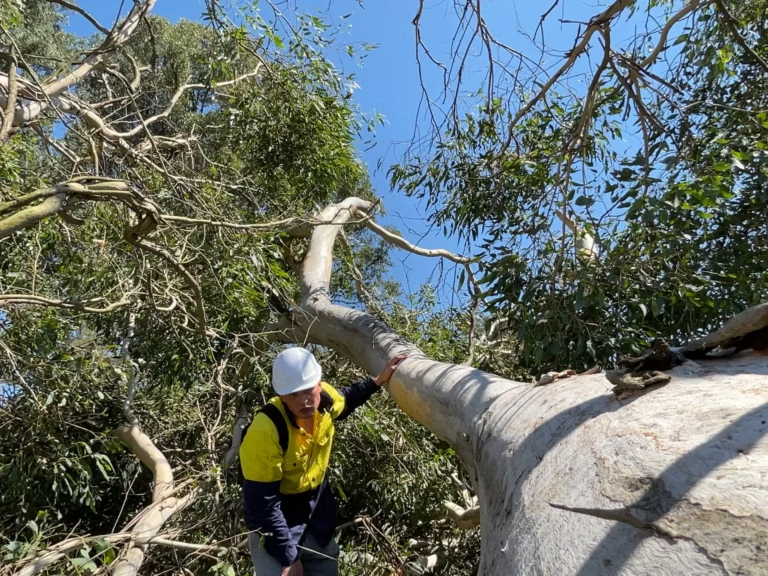
eDNA is most useful where the target species is aquatic or cryptic, where trapping would be intrusive or unsafe, where a waterway will be dewatered or realigned and its fauna needs to be known first, or where a species has been assumed present in a BDAR and a sensitive detection method could resolve the question. It is less useful where the guideline prescribes a particular visual or trapping method for the species, in which case eDNA supplements rather than replaces it, and a non-detection is never proof of absence on its own.
Sampling design, the number of sites, replicates, and timing needed for a defensible result
Field collection with contamination controls and chain of custody established
Specialist laboratory analysis with appropriate quality controls and accreditation where applicable to the assay, using single-species testing or metabarcoding as the assessment requires
Interpretation and reporting, including the confidence the result supports and whether further sampling is warranted
Integration with aquatic assessments, dam dewatering planning, and targeted species surveys
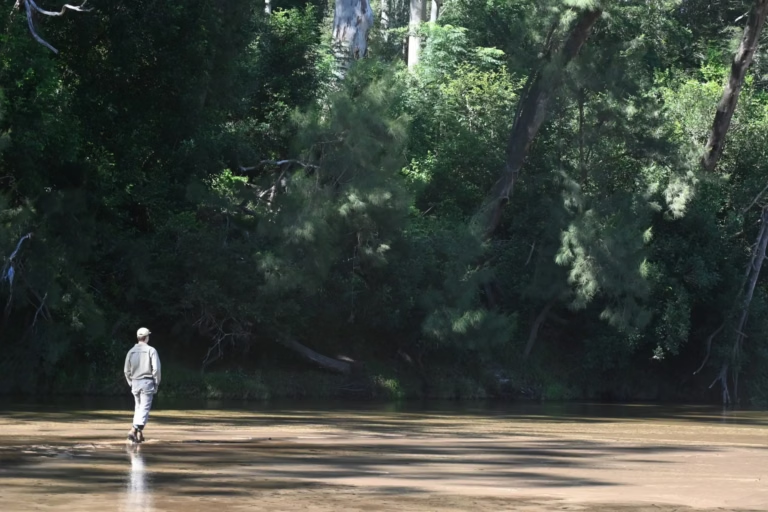
eDNA answers a specific question, so the value comes from deciding early whether it is the right tool, how many samples a defensible result needs, and how the result will sit alongside any survey method a guideline still requires.
ESEA settles that at project commencement, reports in plain terms what the result does and does not establish, and turns results around to clear timelines so they can feed the BDAR, the dewatering plan, or the design decision that is waiting on them. Your assessment is managed by an experienced Senior Consultant from commencement through to completion, with Director-level review providing an additional layer of technical and strategic oversight.
ESEA's fees for an eDNA assessment generally fall between about $2,500 and $8,000 plus GST. The number of sampling points, replicates, the target species or a whole-community test, quality control requirements, and laboratory analysis drive the figure. We quote an itemised scope so you can see what is included and what would be a variation.
A straightforward scope usually needs two to six weeks including field collection and laboratory processing. Laboratory availability and test selection can change that, and we confirm the timeline with the laboratory when we quote.
A validated detection is strong evidence that target DNA was present in the sampled material, subject to the assay, contamination controls, and sampling context. A non-detection is weaker evidence because DNA can be patchy, dilute, degraded, or missed. For that reason ESEA reports the confidence and limitations of the result rather than treating eDNA as a simple yes-or-no substitute for all conventional survey.



Tell us about the waterway or site and the target species. We will scope eDNA sampling and laboratory analysis that can detect it without trapping, and prepare an itemised proposal.