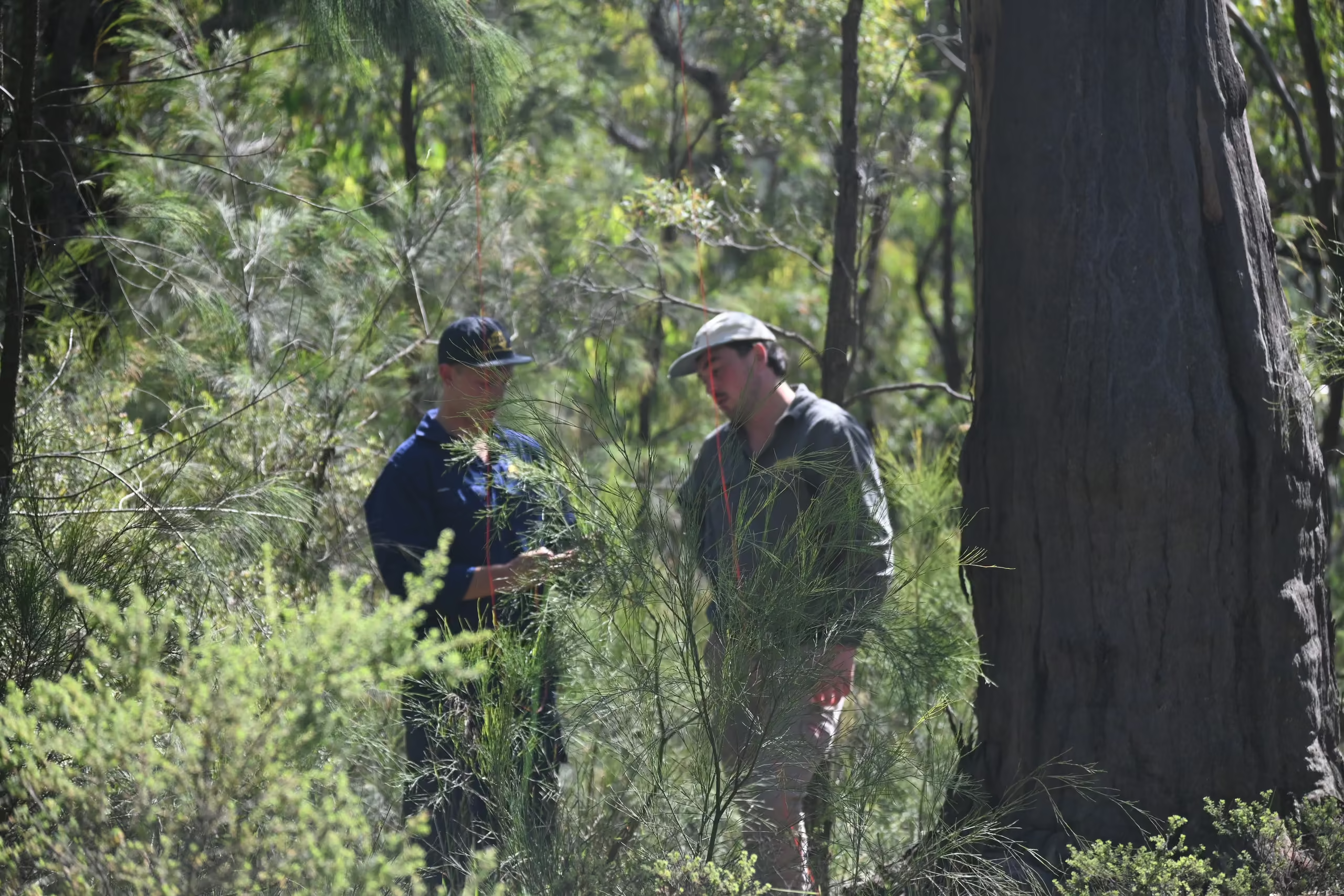
Arboricultural Assessments
Tree surveys, protection zones, and encroachment assessment to AS 4970:2025


Ecological inspection of trees before they are felled, watching the clearing so animals can be rescued, and certifying afterwards that best-practice methodology was followed.
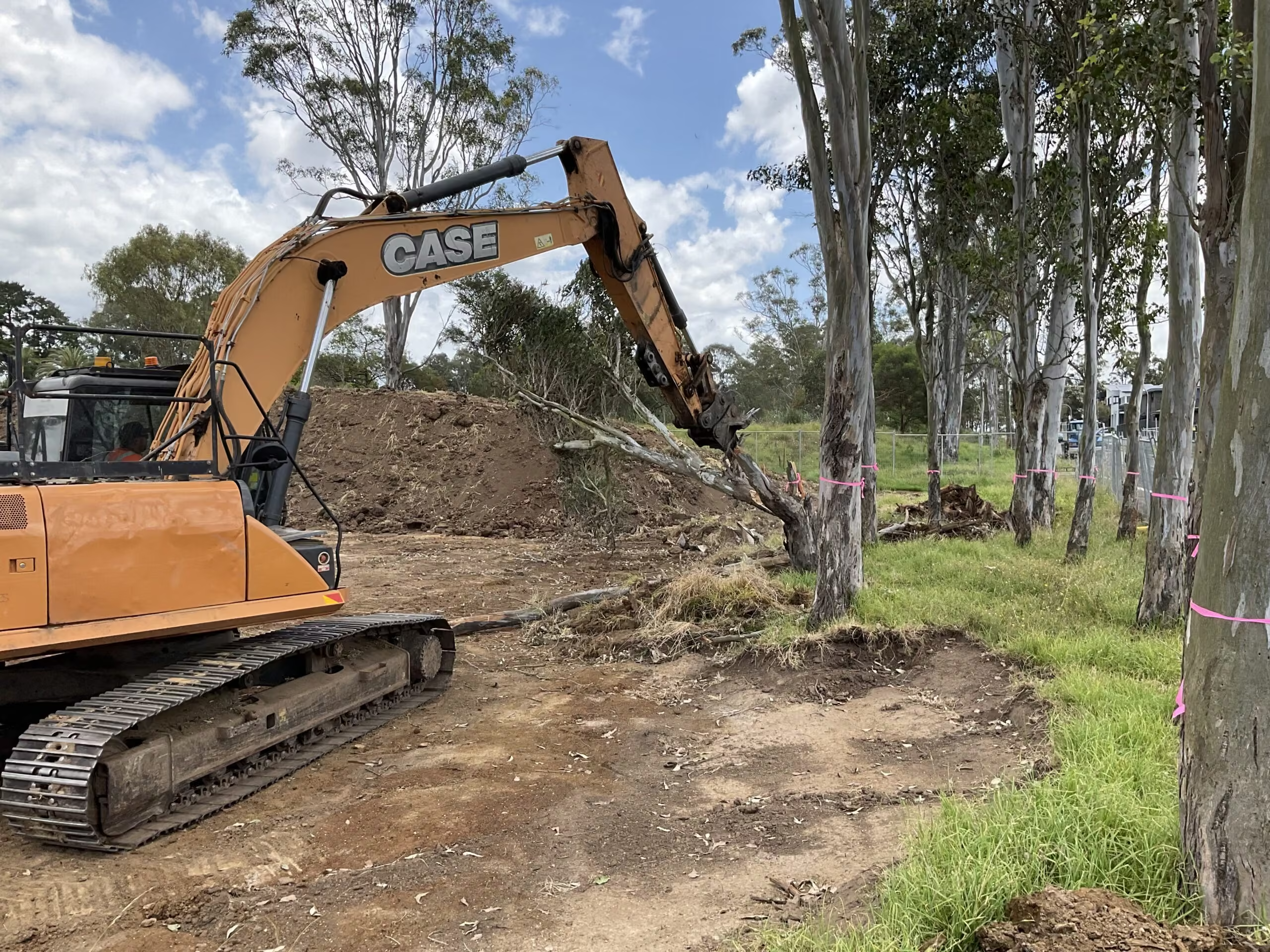
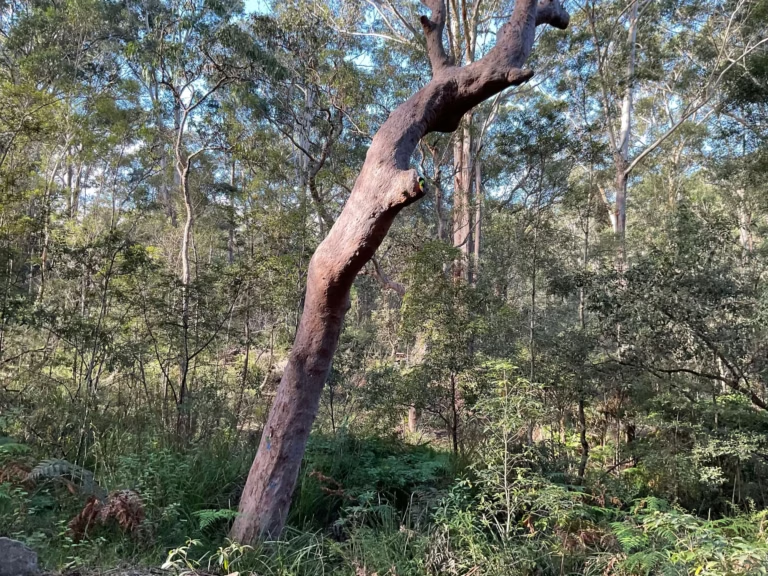
Vegetation clearing supervision is an ecologist-led process commonly required by development consents, management plans, or project-specific environmental controls.
It can include surveying trees and habitat before clearing, marking retained trees and no-go zones, attending clearing as a fauna spotter-catcher so animals can be rescued or allowed to move away, and certifying what vegetation was removed, what fauna was encountered, and what replacement habitat is required.
ESEA undertakes this work under the licences and authorisations applicable to the activity and provides pre-clearing and post-clearing documentation to the relevant authority or certifier.
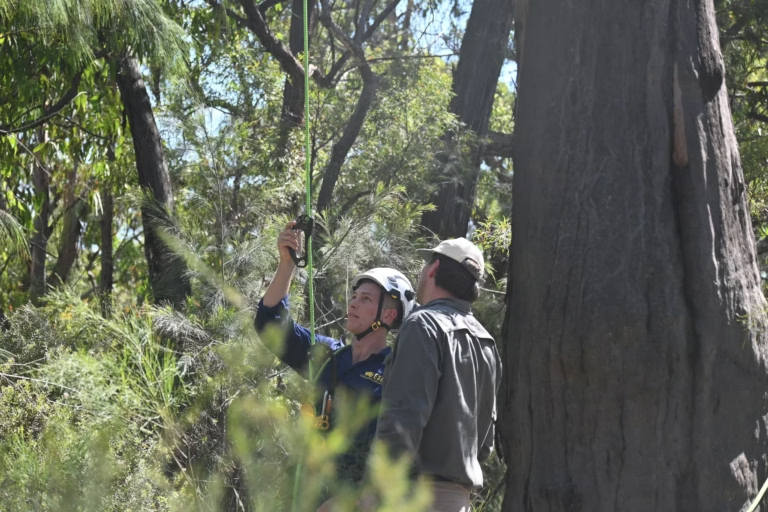
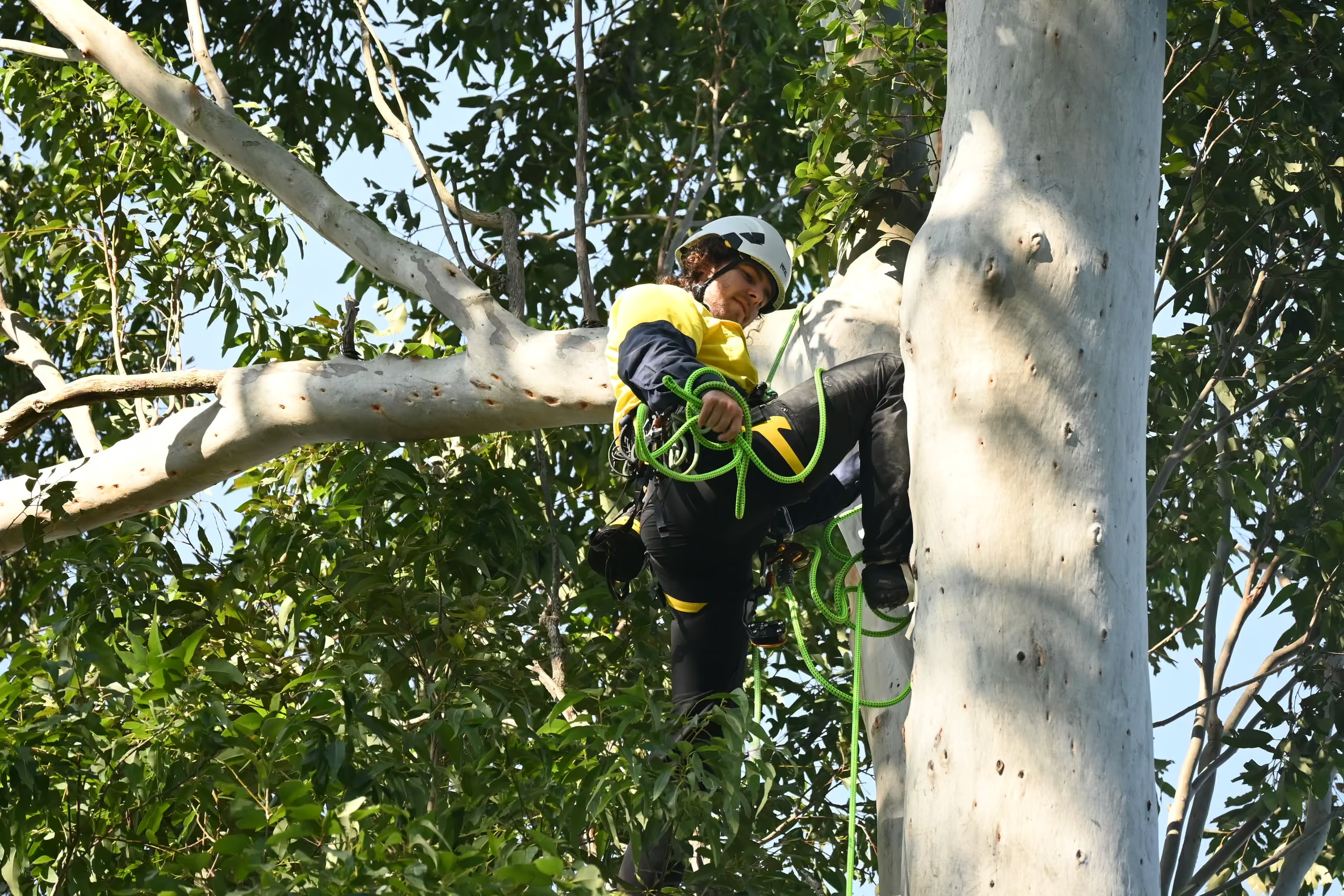
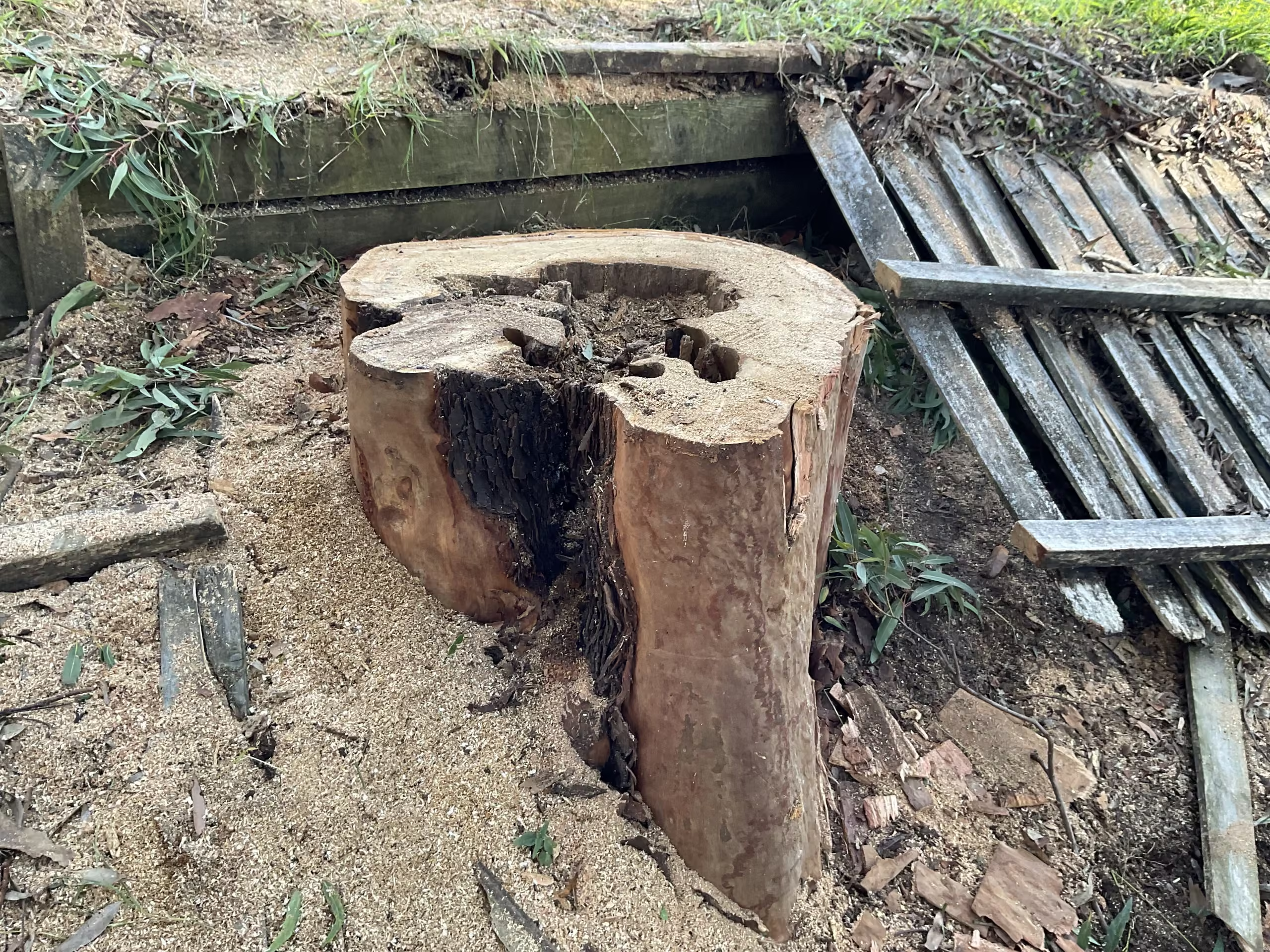
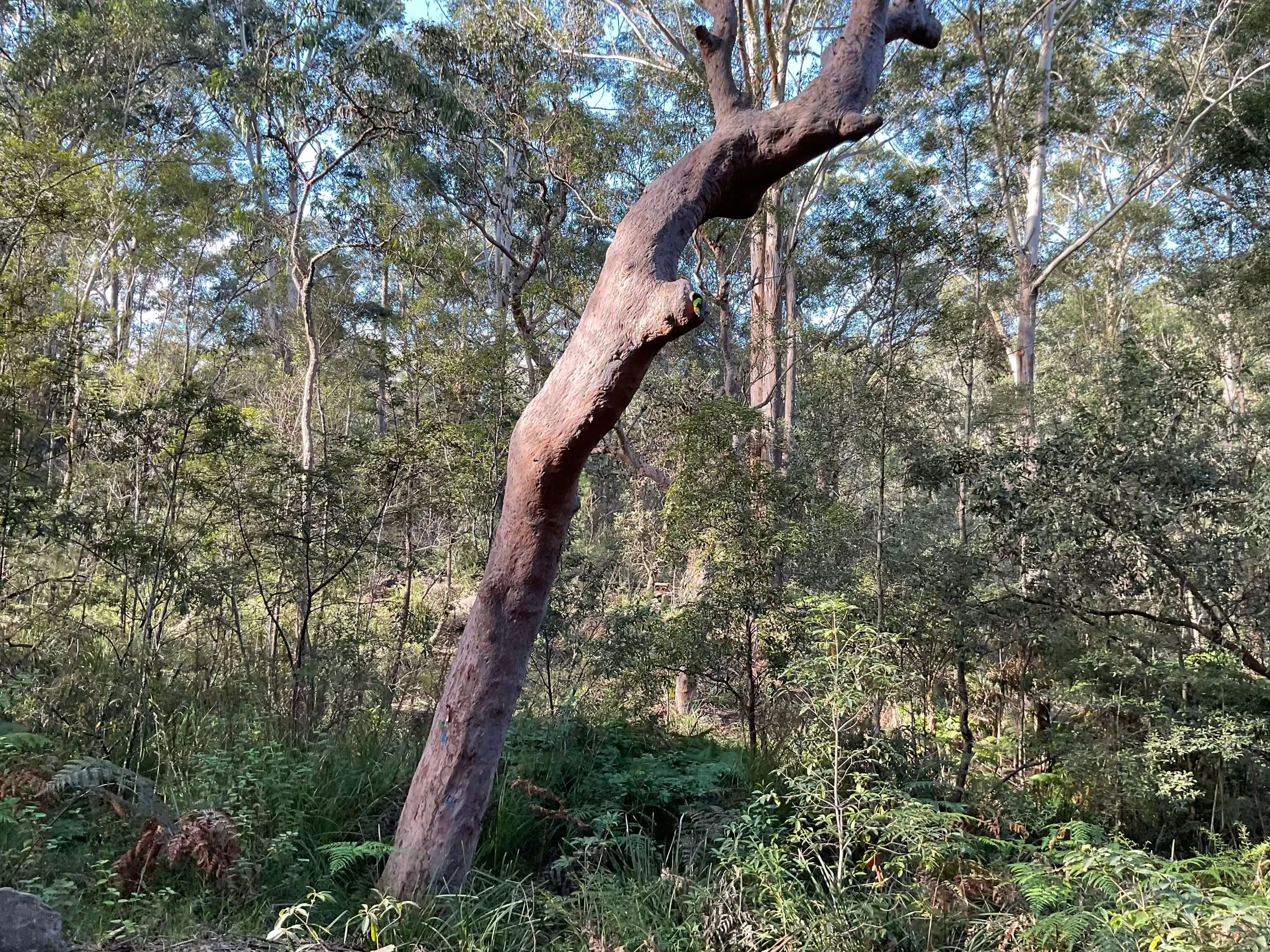
Every tree scheduled for removal or retention is inspected for hollows, nests, dreys, roosts, and other habitat features, with thermal and endoscope inspection of hollows where warranted, and climbing ecologists where needed. Retained trees, habitat features, and no-go zones are marked, the hollow inventory that drives replacement habitat is recorded, and the report recommends staged clearing, felling techniques, weed and pathogen hygiene, and the fauna response protocol.
An ecologist attends the clearing, conducts a final check of each tree before it is felled, directs the arborist crew on staging and technique, and manages any fauna encountered with competence and authorisation. Sometimes the right response is to stop work and let an animal move away, sometimes it is capture, veterinary assessment, and relocation. Photographic records are kept throughout.
The certification letter records the pre-clearing findings, the trees removed, the fauna encountered and what happened to them, and the replacement habitat obligation, in the form council or the certifier requires.
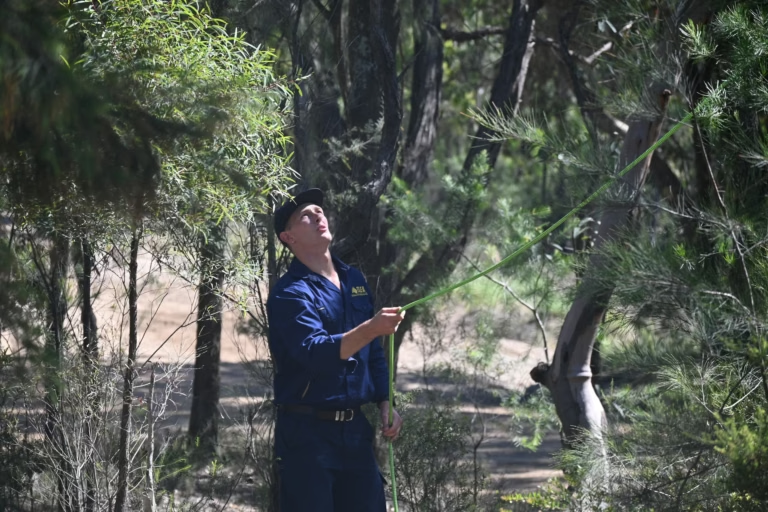
Many NSW consents that approve removal of native vegetation or hollow-bearing trees require a pre-clearing survey by a suitably qualified ecologist and supervision of habitat-tree clearing, and some require staged clearing so hollows can be inspected or salvaged. Similar controls can also arise under vegetation management plans, biodiversity management plans, and Controlled Activity Approvals affecting riparian vegetation.
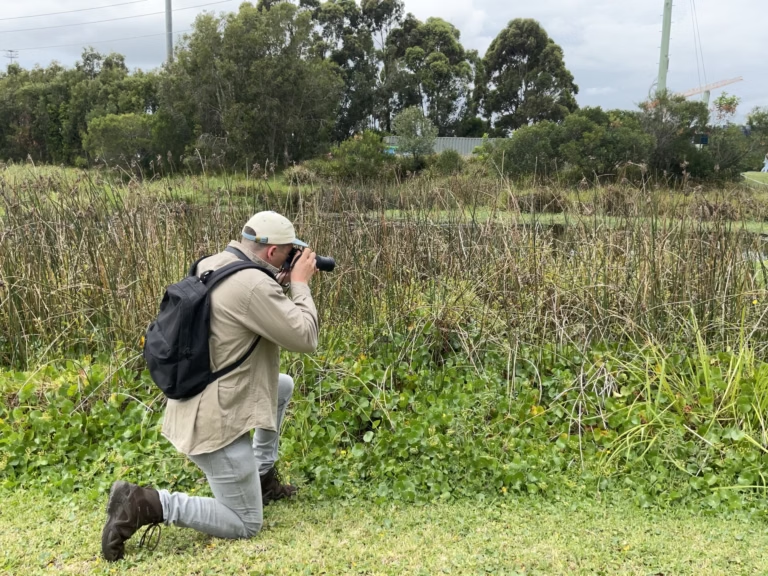
At a reserve in Campbelltown, ESEA's pre-clearing report covered 78 trees, 53 nominated for removal and 25 for retention, identified habitat features and recommended staged clearing, supervision, and replacement habitat, and a later drone inspection found nesting native birds and placed the works on an ecological hold.
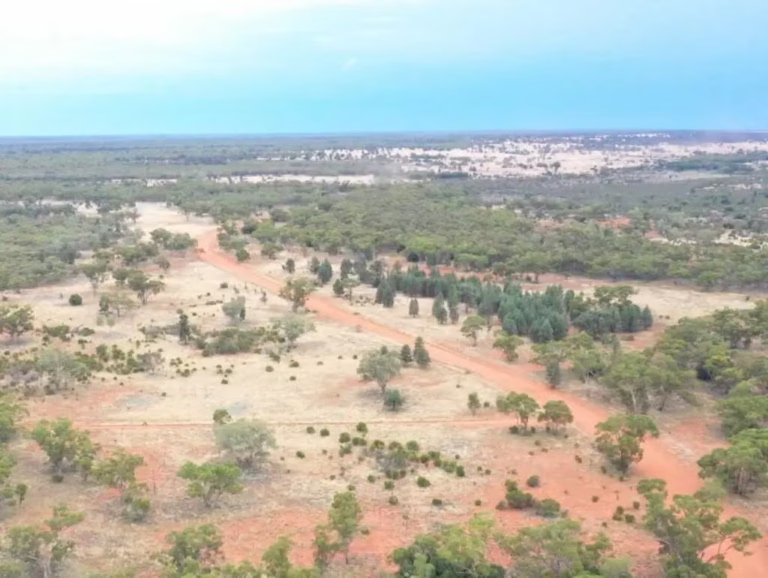
On a Transport for NSW bridge project in the Hawkesbury in September 2026, ESEA maintained an ecological hold over approximately 0.14 hectares of riverbank works after confirming an active Spotted Pardalote nesting burrow with dependent chicks. Clearing in the affected riverbank section remains on hold until fledging and nest inactivity are confirmed, while the project's White-bellied Sea-Eagle and koala management measures continue.
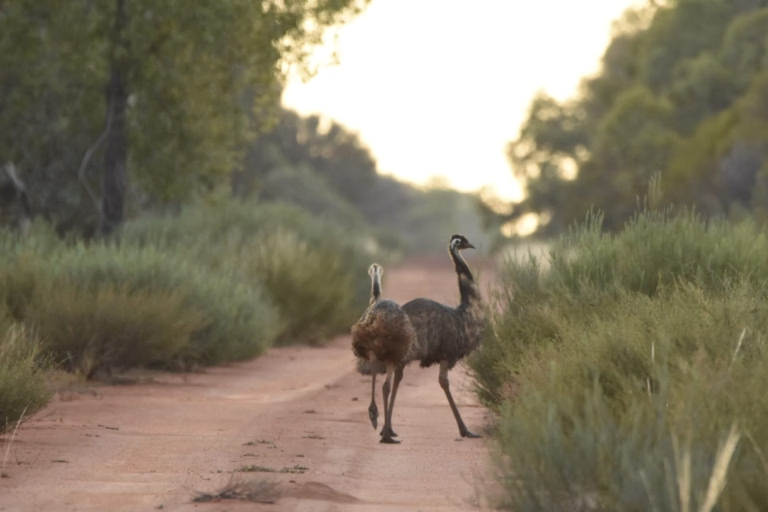
At Marsden Park in November 2024, five Squirrel Gliders encountered in a hollow during clearing received veterinary assessment before relocation, with a Common Ringtail Possum released on site, and the clearing certification letter recorded the event.
Clearing certification for the second stage of a residential development in the Hawkesbury in 2025, and continuing supervision across an approximately 400 hectare development site in Blacktown containing Cumberland Plain Woodland, an Eastern Creek riparian corridor, biodiversity-certified and non-certified land, Biodiversity Values Map areas, a rail corridor, and heritage buildings.
Clearing supervision runs on the contractor's programme, so responsiveness and clear communication matter more here than on most services.
ESEA agrees the staging, notice periods, and fauna response protocol before the first tree is felled, attends when the programme requires it, and issues post-clearing certification promptly so the next stage of works can proceed. Where ESEA has been involved from the biodiversity assessment, the hollow inventory and the replacement habitat obligation carry straight through without a new consultant reading the file.
Your clearing programme is managed by an experienced Senior Consultant from commencement through to completion, with Director-level review providing an additional layer of technical and strategic oversight.
ESEA's fees for clearing supervision generally fall between about $1,200 and $6,000 per clearing event plus GST. The number of trees or area affected, the habitat features, the fauna handling likely, and the duration of the works drive the figure. Larger or staged programmes are priced by the agreed crew and attendance, and unplanned delays or additional stages are handled as variations. We quote an itemised scope so you can see what is included and what would be a variation.
Ideally one to two weeks once the approved clearing limits, tree schedule, and contractor programme are settled, and sometimes about two business days where capacity and information allow. Hollow salvage, climbing crews, and replacement habitat need more coordination.
For the felling of trees with habitat features, yes, because the final check happens tree by tree. For stages with no habitat features the consent may allow a reduced attendance, and the proposal sets out which stages need full supervision.
Usually within several business days of the final attendance, once the records needed to describe what occurred are confirmed. It is not issued until the clearing it certifies is complete.
Tell us about the clearing extent and the programme. We will provide the pre-clearing survey, fauna spotter-catcher attendance, and post-clearing certification your consent requires.