

SUSTAINABILITY SERVICES
ESG reporting and advisory
Identifying the environmental, social, and governance topics that are material to your organisation and the evidence behind them.
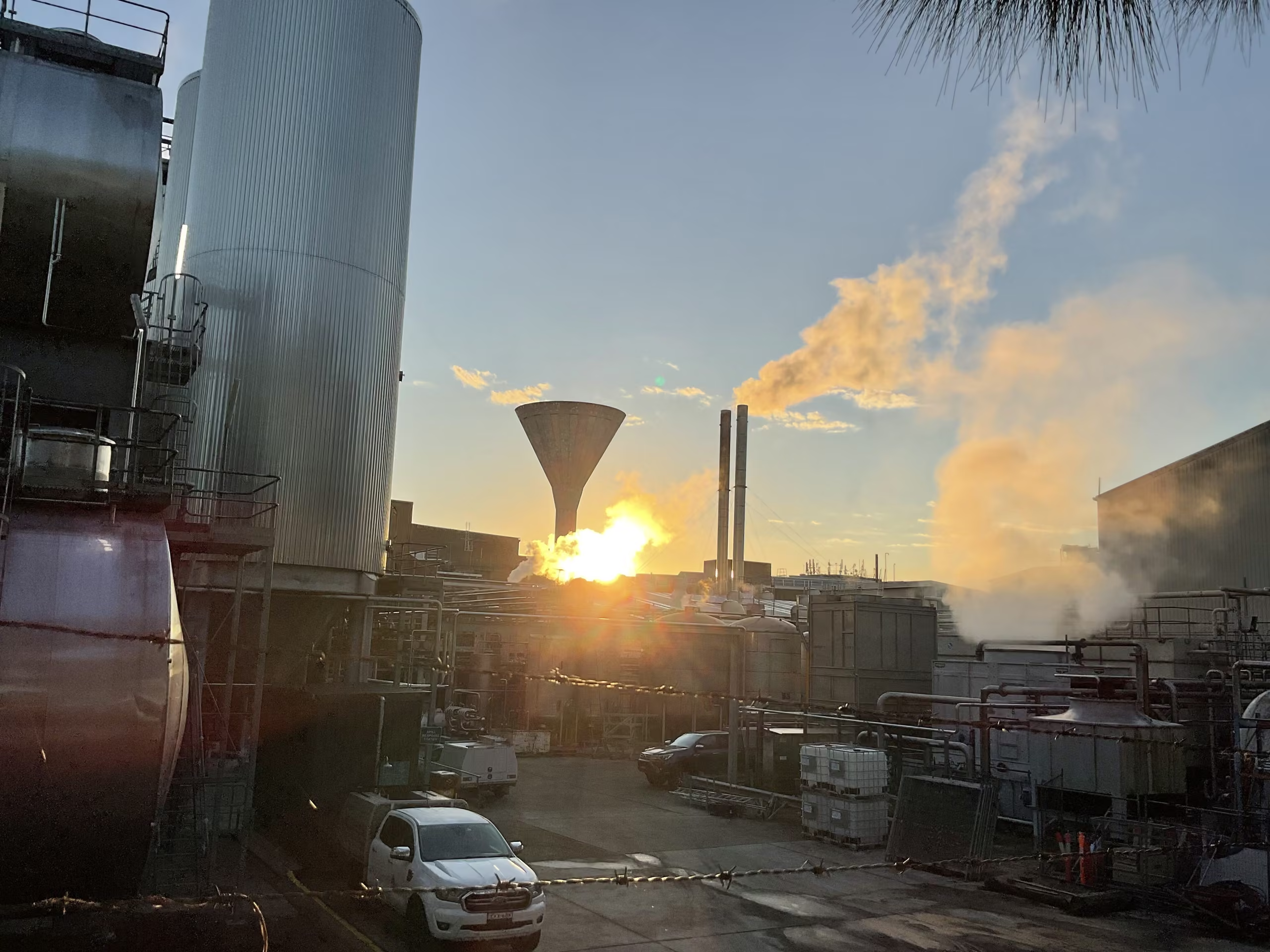
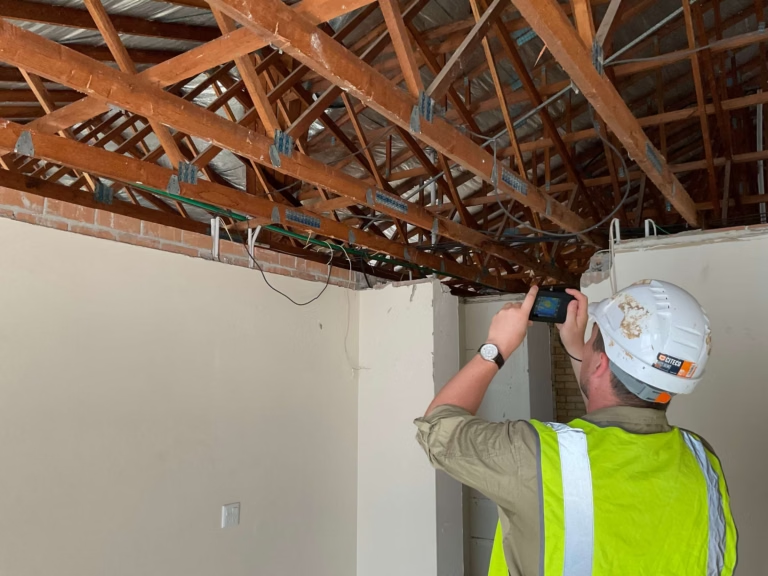
ESG advisory helps an organisation identify the environmental, social, and governance topics that are material to its purpose and audience, gather the evidence supporting each topic, and organise that information for tenders, lenders, customers, investors, or internal decision-making.
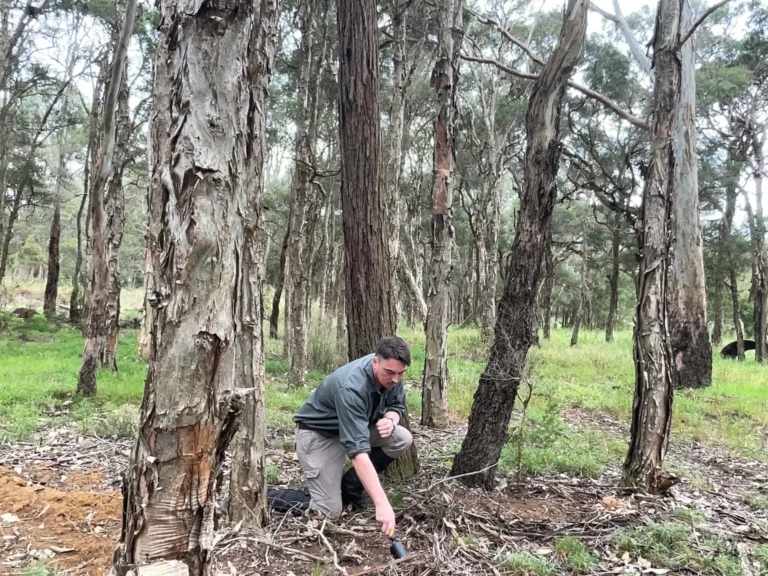
ESEA provides proportionate ESG advisory support to NSW developers, contractors, government bodies, and education organisations, with particular depth in biodiversity, land, water, habitat, and vegetation where ESEA can draw on first-hand environmental data.
WHY IT MATTERS
Where ESG requests come from
Many organisations encounter ESG requirements through tenders, lender questionnaires, or customer supply-chain requests rather than through a direct reporting obligation.
- Government and institutional procurement may ask for sustainability information, and entities subject to mandatory climate reporting may seek information from businesses in their value chains.
- Unsupported environmental and sustainability claims also create reputational and regulatory risk.
- A useful response is a focused set of material topics with evidence behind each, rather than a long report containing claims that cannot be substantiated.
Separate criteria also apply to some NGER reporters, registered schemes, registrable superannuation entities, and retail CCIVs. A Group 3 entity that determines it has no material financial risks or opportunities relating to climate may use the statutory statement pathway rather than full climate statements. AASB S2 is based on IFRS S2. Whether a particular entity is legally in scope should be confirmed against the Corporations Act and ASIC guidance with the entity's accountant, auditor, or legal adviser.
What is included
What our ESG advisory includes
01
Materiality review, which topics matter to your organisation and your stakeholders
02
Evidence mapping, what supports each topic now and what is missing
03
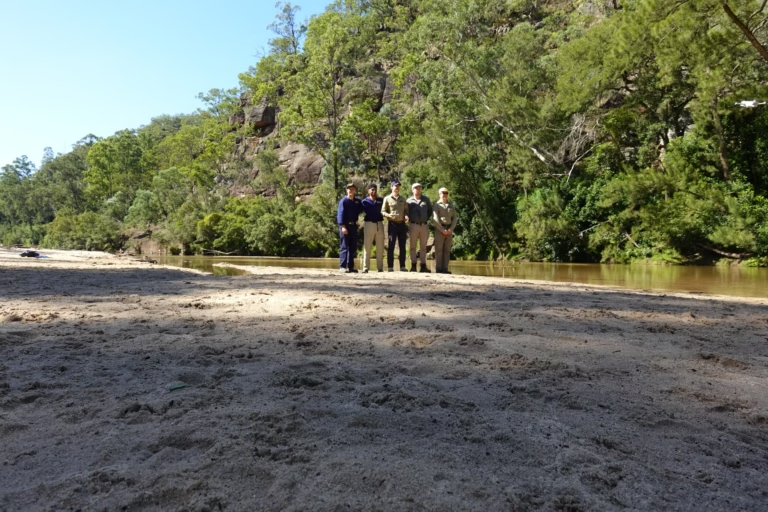
Environmental topic depth, biodiversity, land, water, habitat, and vegetation, from ESEA's own assessments
04
Proportionate disclosure support aligned to the relevant requirement, which may include AASB S2, ISSB, GRI, or a tender or lender format
05
Plain advice on which claims can be substantiated and which should not be made
HOW WE WORK
How we work on ESG reporting
ESG advisory works best when the materiality review happens well before the tender, lender, or customer deadline, because gathering the evidence behind a claim takes longer than writing the claim.
ESEA engages at the outset to identify which topics matter and which already have evidence, organises what you hold, and delivers to clear timelines so the disclosure is ready when it is needed. Your engagement is managed by an experienced Senior Consultant from commencement through to completion, with Director-level review providing an additional layer of technical and strategic oversight.
FAQ
ESG reporting FAQs
Per organisation, according to the reporting boundary, the number of material topics, how much primary data must be collected, and whether a materiality assessment already exists. Independent assurance, where a lender or regulator requires it, is a separate engagement.
That depends on what you do, what decision the information supports, and who is asking. For a developer or contractor, relevant environmental topics may include biodiversity, land, water, waste, and climate; social topics may include workforce safety and community; and governance topics may include compliance and reporting integrity. A materiality review establishes the list before data collection begins.
By starting from evidence rather than aspiration. We map what supports each proposed statement, flag claims without adequate support, and recommend either gathering the evidence, qualifying the wording, or leaving the claim out. Regulatory scrutiny of environmental and sustainability claims in Australia makes substantiation an important part of the work.
Related Sustainability Services

Sustainability Peer Review
Independent technical check of sustainability documents before publication
Environmental & Social Management Plan
Controls, responsibilities, and monitoring that site teams can actually follow
partner with us
Working out which ESG topics matter?
Tell us about your organisation and who is asking for the disclosure. We will identify the material topics, organise the evidence behind them, and recommend a proportionate scope.