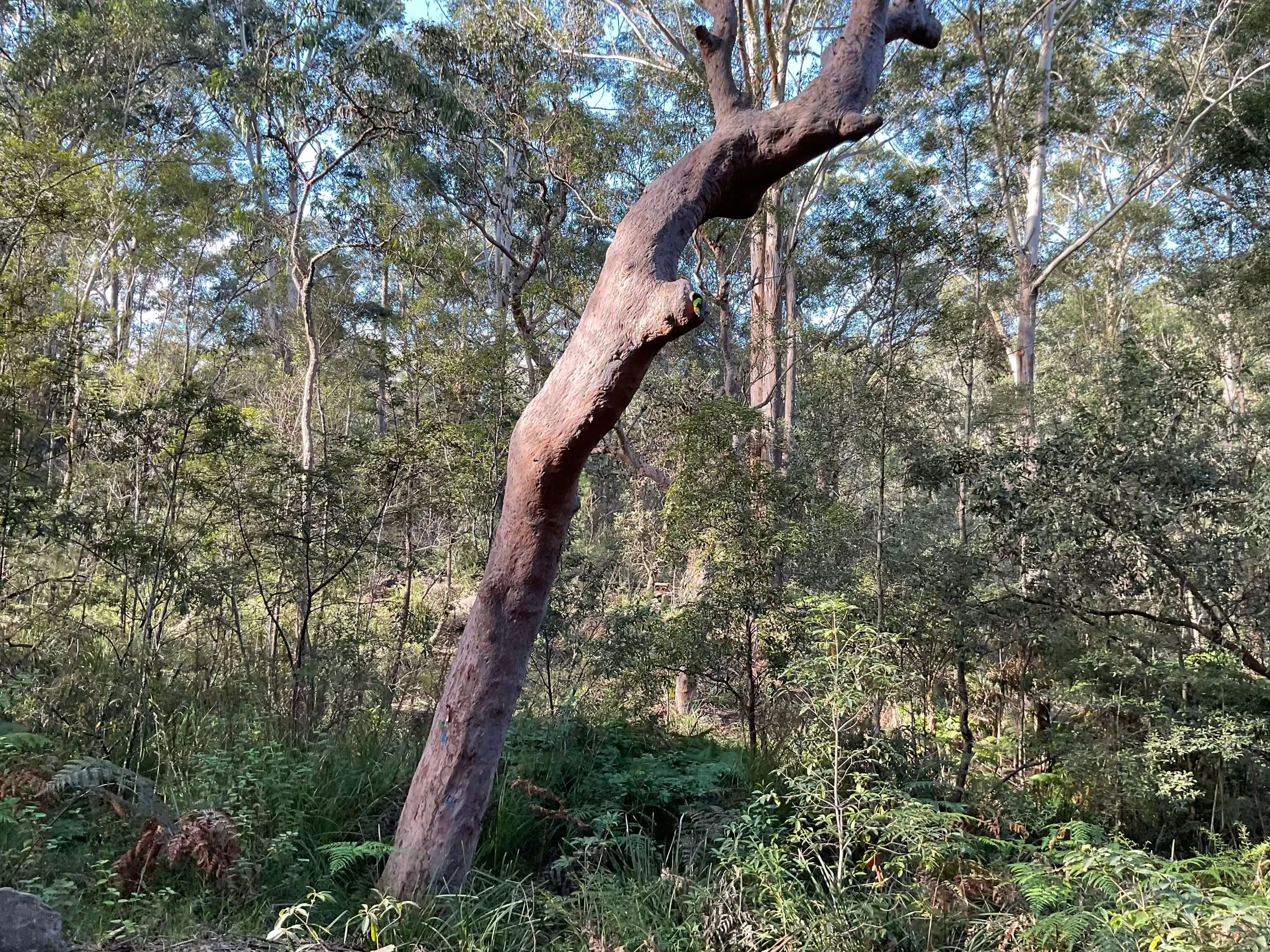
Nest Box and Artificial Habitat Installation
Salvaged hollows and nest boxes to replace habitat lost to clearing


The arborist report your development application needs, prepared alongside the ecological assessment so both describe the same trees the same way.
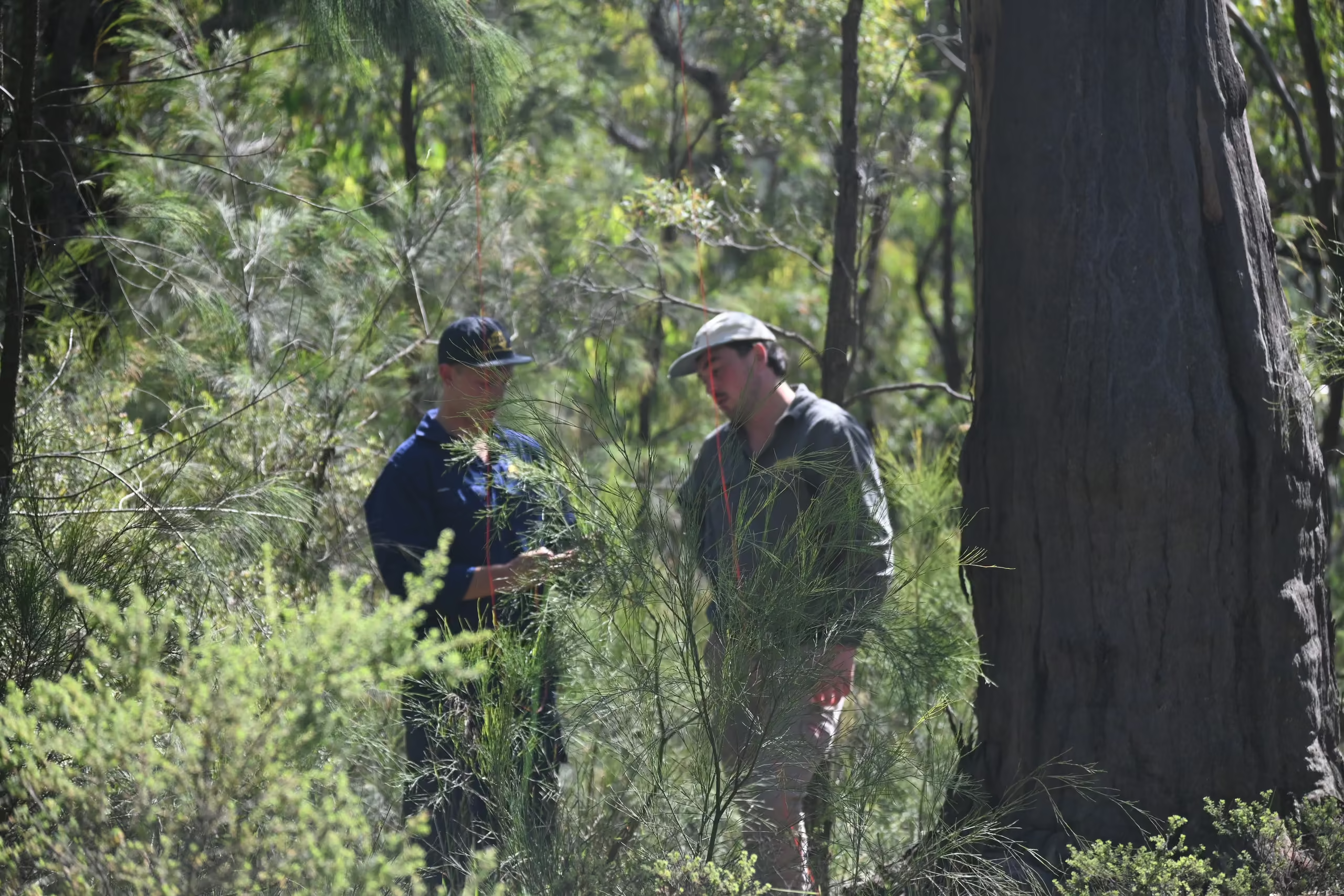
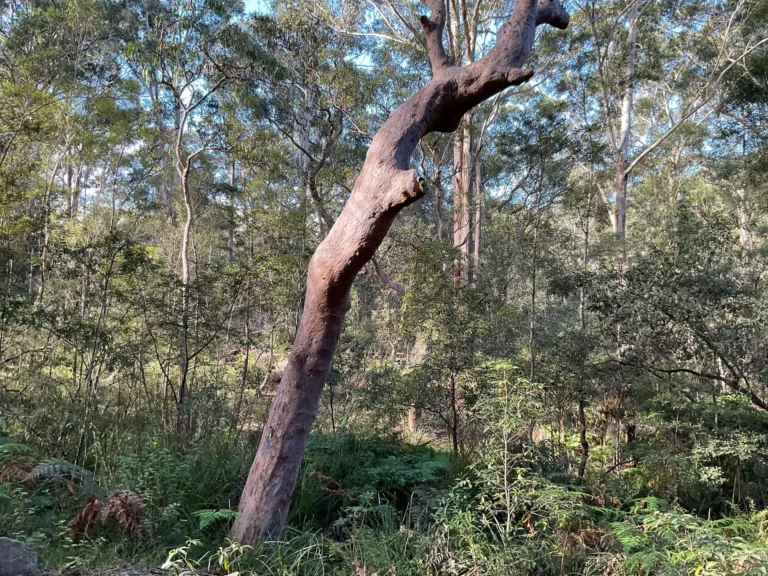
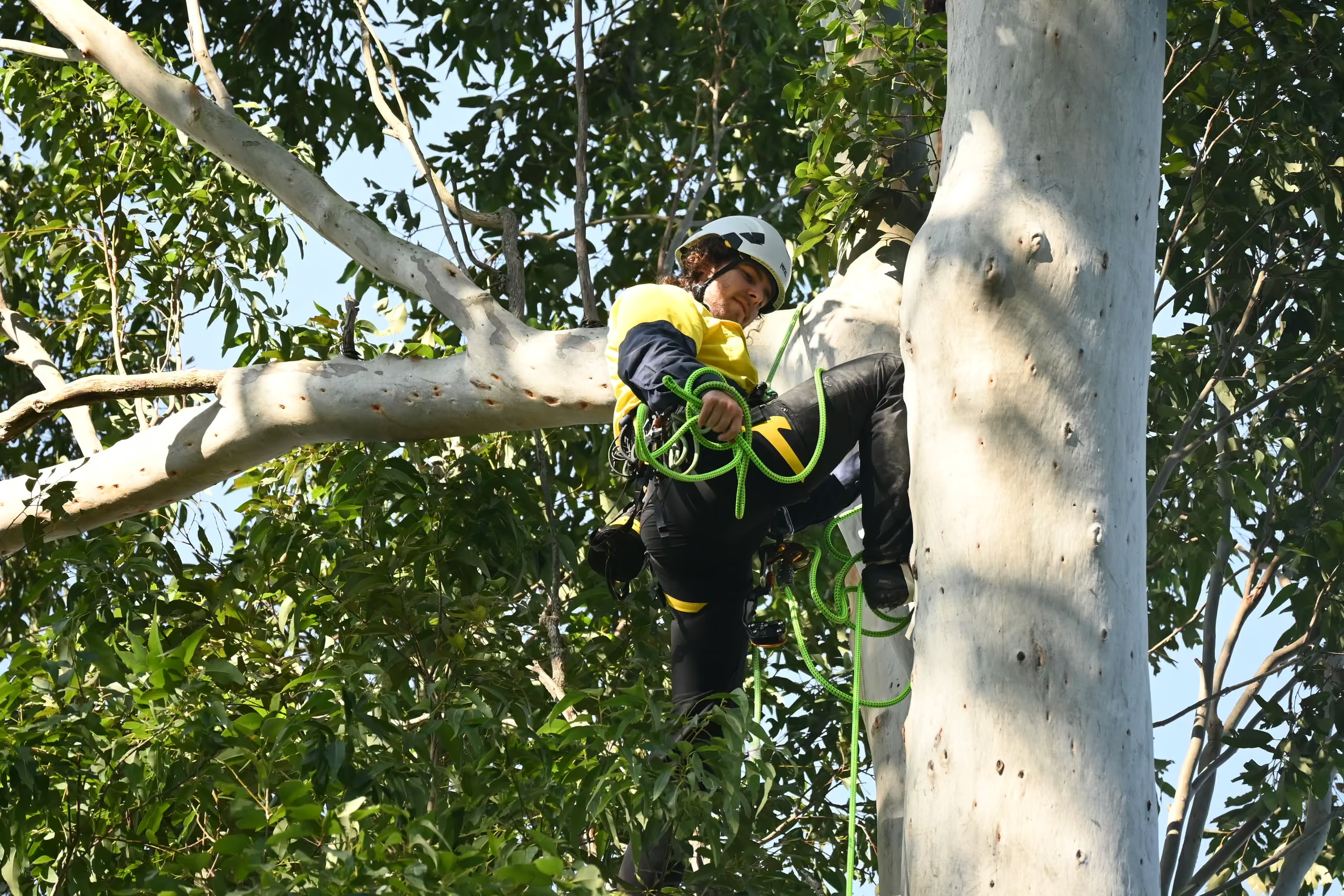
An Arboricultural Impact Assessment (AIA), commonly called an arborist report, records the trees within the assessment scope on and adjoining a development site, rates their health, structure, and retention value, calculates the Notional Root Zone and Structural Root Zone under AS 4970:2025, establishes the Tree Protection Zone for retained trees and assesses how the proposed works will affect them.
Council requirements vary by local government area and site context. ESEA prepares AIAs across Sydney and NSW as an integrated part of its environmental consultancy, so the tree schedule, habitat assessment, and biodiversity mapping are aligned.
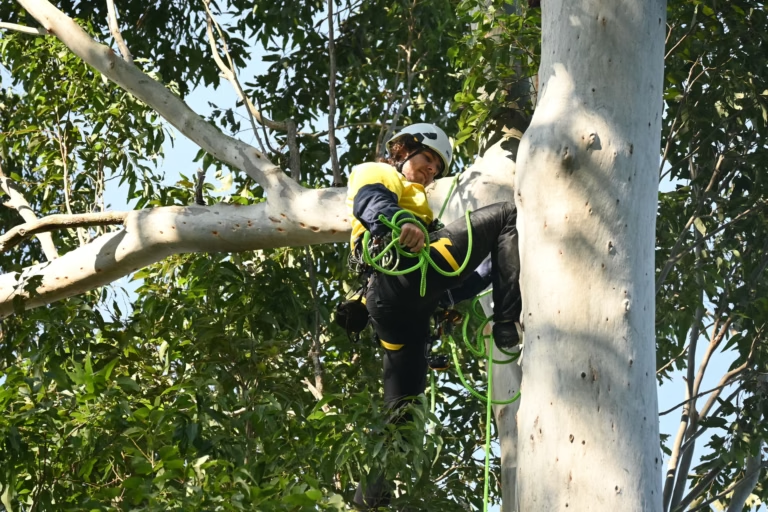
AS 4970:2025 Protection of trees on development sites, incorporating Amendment 1:2025, is the current edition of the Australian Standard.
Each council defines protected trees through its current planning controls, tree policies, and permit rules, and the thresholds vary by local government area, species, size, heritage status, and location.
ESEA checks the current controls for the site and scopes the AIA around trees potentially affected by the works, including relevant neighbouring trees. Where native vegetation or threatened-species habitat is involved, the arboricultural assessment is coordinated with the biodiversity approval pathway rather than treating tree approval as a separate issue.
Tree survey and schedule with species, dimensions, health, structure, age class, retention value, and habitat features
Notional Root Zone and Structural Root Zone calculations, with the Tree Protection Zone for retained trees plotted on the site plan
Encroachment assessment against the Notional Root Zone graded to AS 4970:2025, with the response for each class
Tree Protection Specification and Tree Protection Plan drawing for retained trees
Recommendations that reconcile with the biodiversity assessment, so trees are identified consistently across both reports
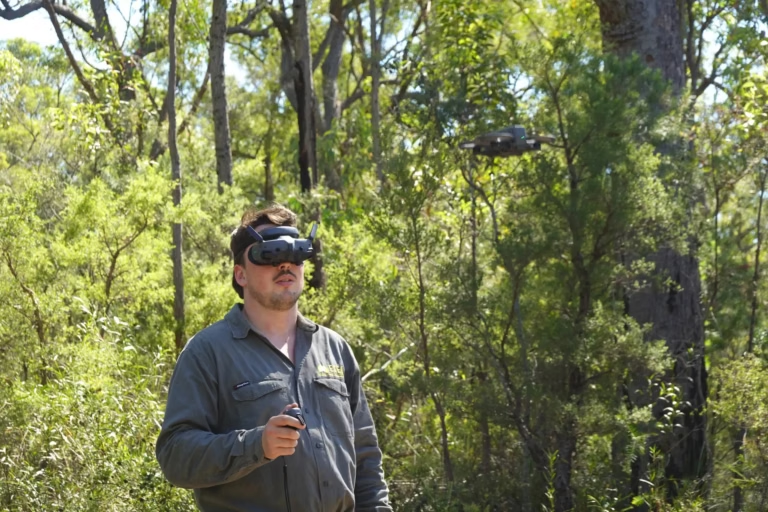
Arboricultural impact assessment coordinated with biodiversity assessment and masterplanning across an approximately 400 hectare development site in Blacktown containing Cumberland Plain Woodland, an Eastern Creek riparian corridor, biodiversity-certified and non-certified land, Biodiversity Values Map areas, a rail corridor, and heritage buildings.
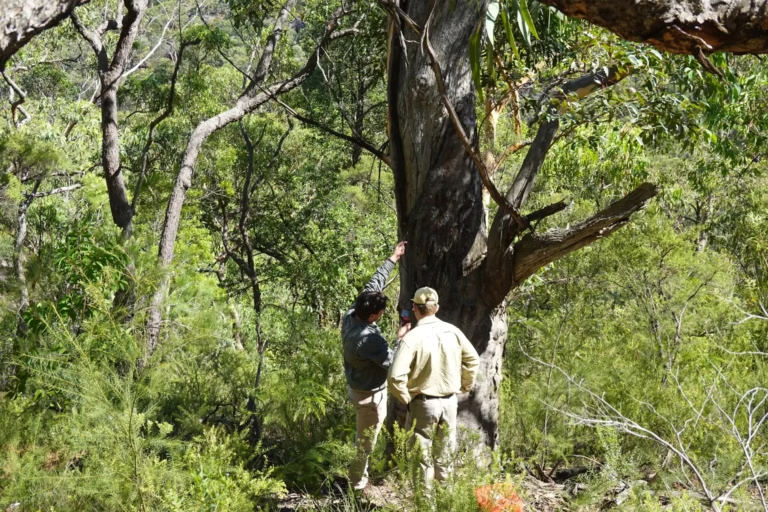
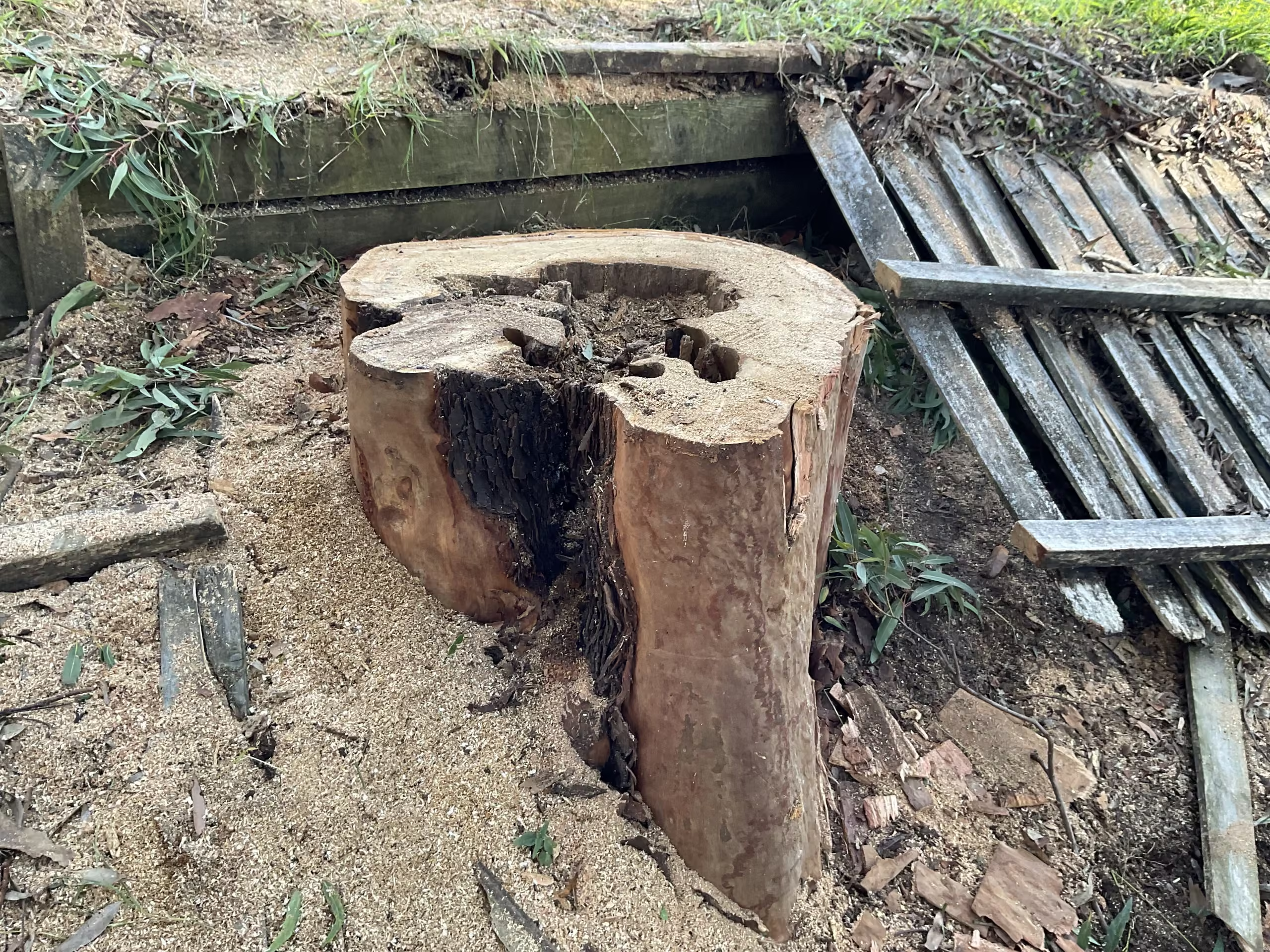
Arboricultural impact assessments for subdivision proposals on Windsor Road at Norwest in the Balmoral Road Release Area, prepared alongside a Small Area BDAR that identified hollow-bearing stags and a large Forest Red Gum with multiple hollows.
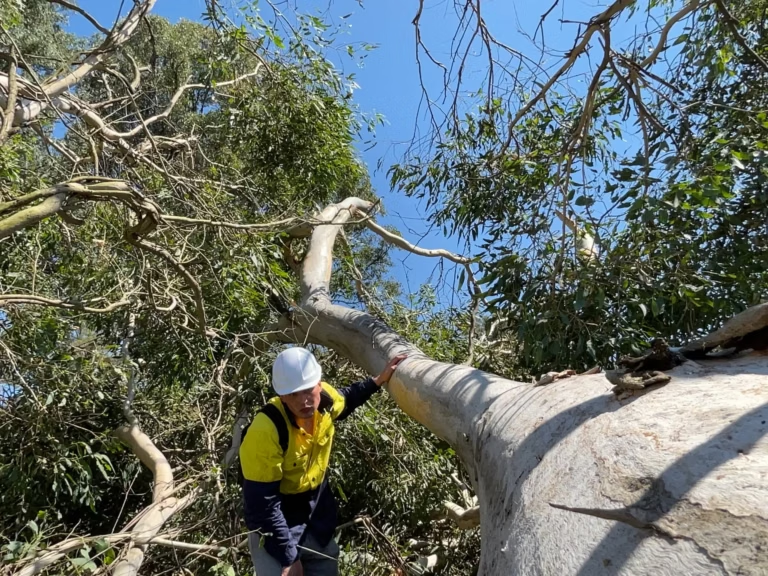
An arborist report does its best work when it is commissioned before the design is fixed, because the Tree Protection Zones and encroachment grades can then shape the footprint rather than being argued over after lodgement.
ESEA engages from project commencement, identifies early which trees will constrain the layout, and works with the design team on practical solutions that keep the approval moving and protect subdivision yield and Gross Floor Area where that is the objective. Your assessment is managed by an experienced Senior Consultant from commencement through to completion, with Director-level review providing an additional layer of technical and strategic oversight, and we keep to clear timelines so the arborist report is never the item holding up the application.
ESEA's fees for an Arboricultural Impact Assessment generally fall between about $7,000 and $15,000 plus GST. The number of trees, site access, the survey information available, and how closely the works approach retained trees drive the figure. Basement, driveway, and services encroachments each need an impact assessment and a protection response. We quote an itemised scope so you can see what is included and what would be a variation.
Typically one to three weeks from the site inspection and receipt of the design, longer where design changes occur or additional investigation such as root mapping is needed. Council's consideration of the application is separate.
The report rates each tree in terms of retention value and assesses the development encroachment, but approval for tree removal is ultimately decided by council against its controls. We tell you which trees will likely be contested and why before the application goes in.
AS 4970:2025 grades encroachment against the Notional Root Zone as minor (10% or less, outside the Structural Root Zone), moderate (more than 10% and up to 20%, outside the Structural Root Zone), or major (more than 20%, or any encroachment into the Structural Root Zone). Major encroachment does not automatically require removal, but it requires stronger arboricultural justification, investigation, and design or protection measures to demonstrate that the tree can remain viable. ESEA identifies where a design change can reduce the encroachment class and associated risk.
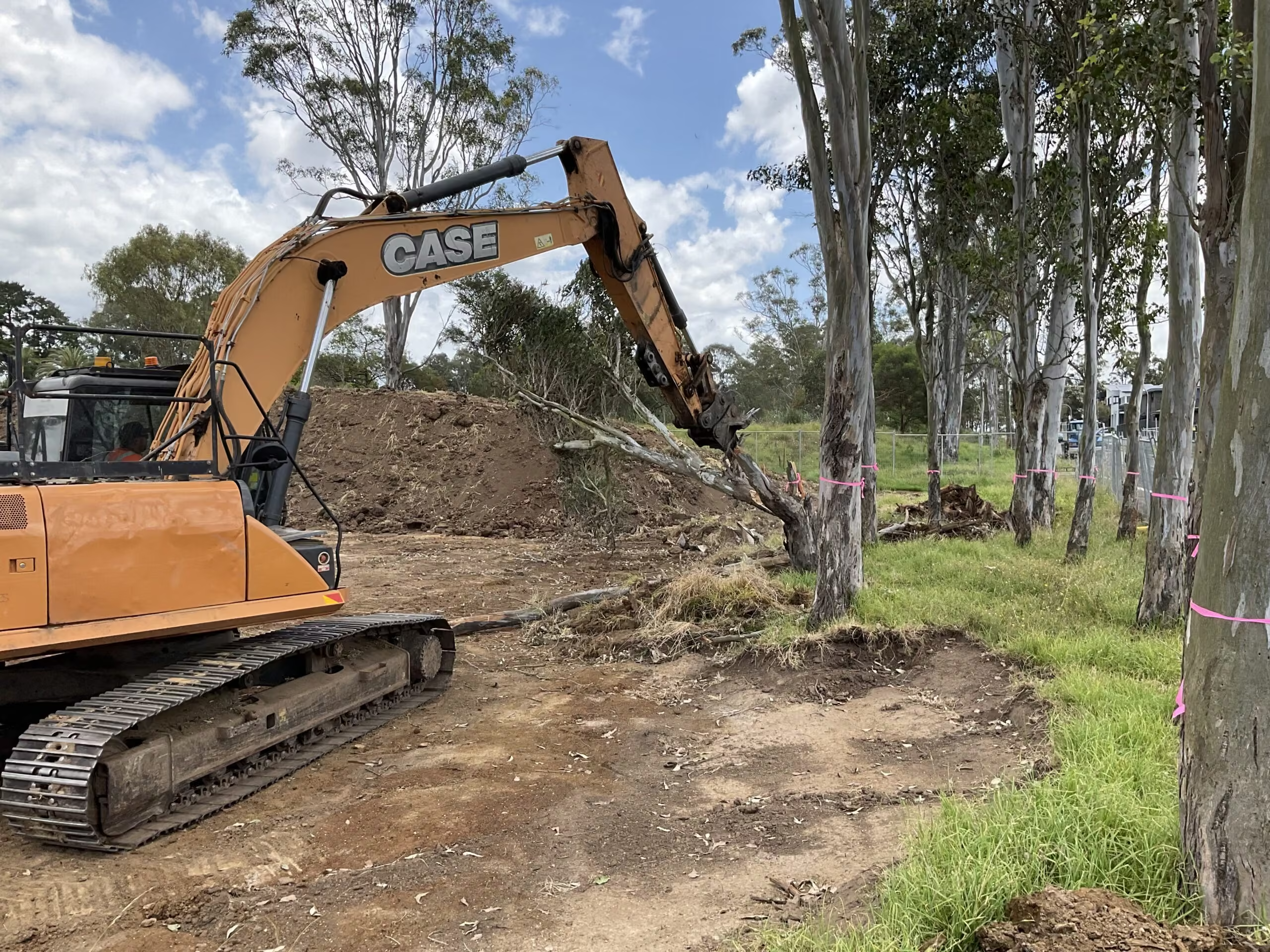
Send us the site plan, the survey, and your council area. We will prepare the assessment to AS 4970:2025 in your council's required format, consistent with the ecological assessment of the same trees.