

ARBORICULTURE SERVICES
Tree risk assessment
The likelihood a tree will fail, the likelihood it will hit something if it does, and what to do about it, assessed independently of any removal work.
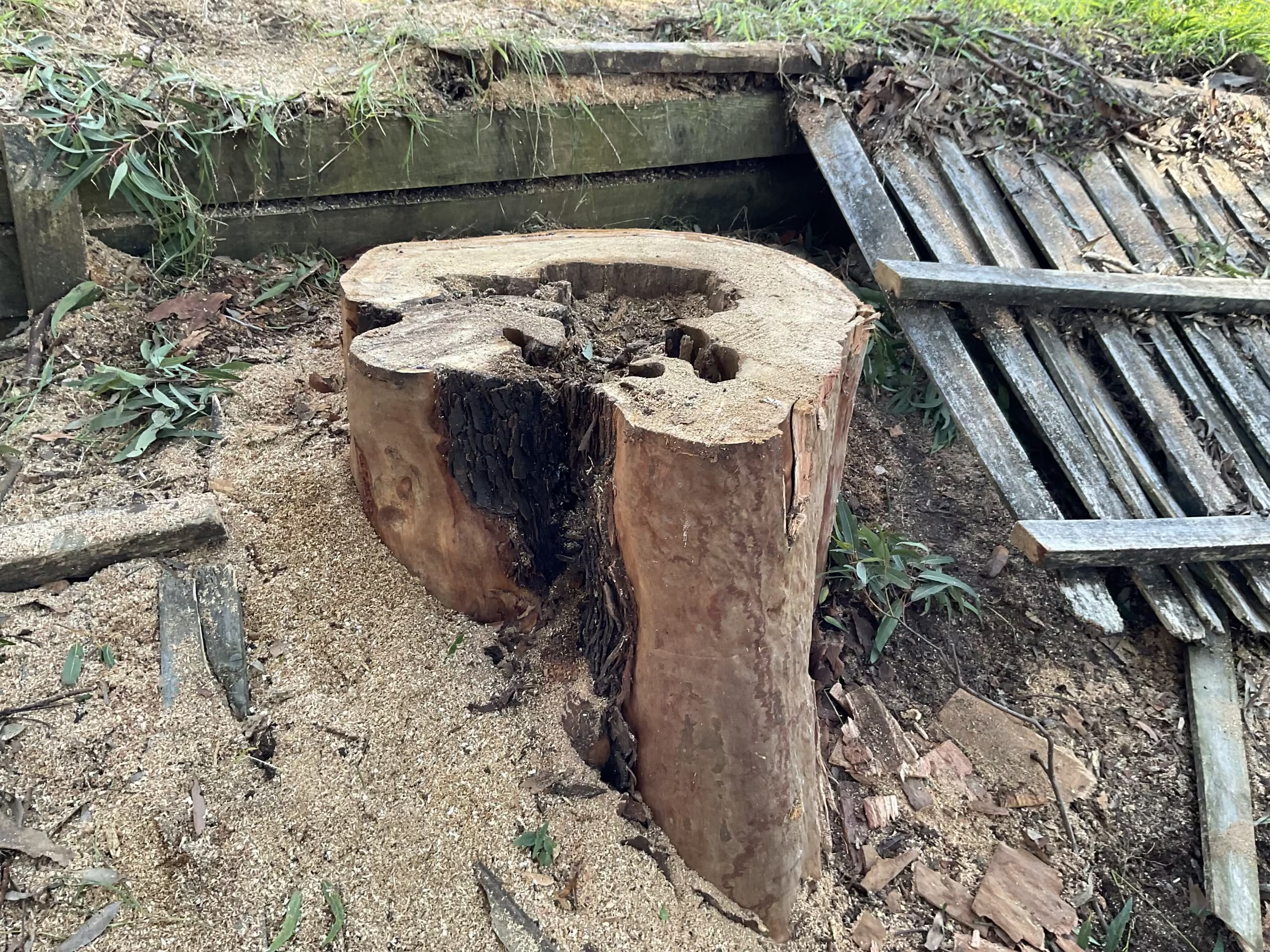
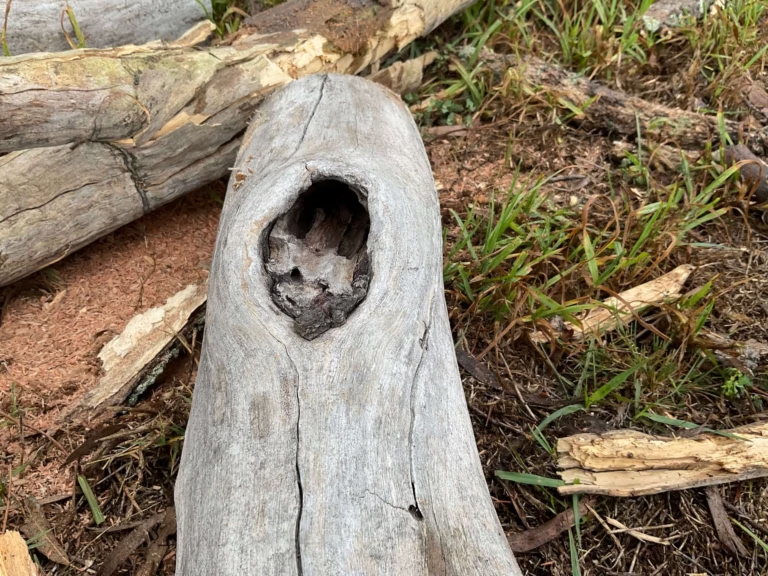
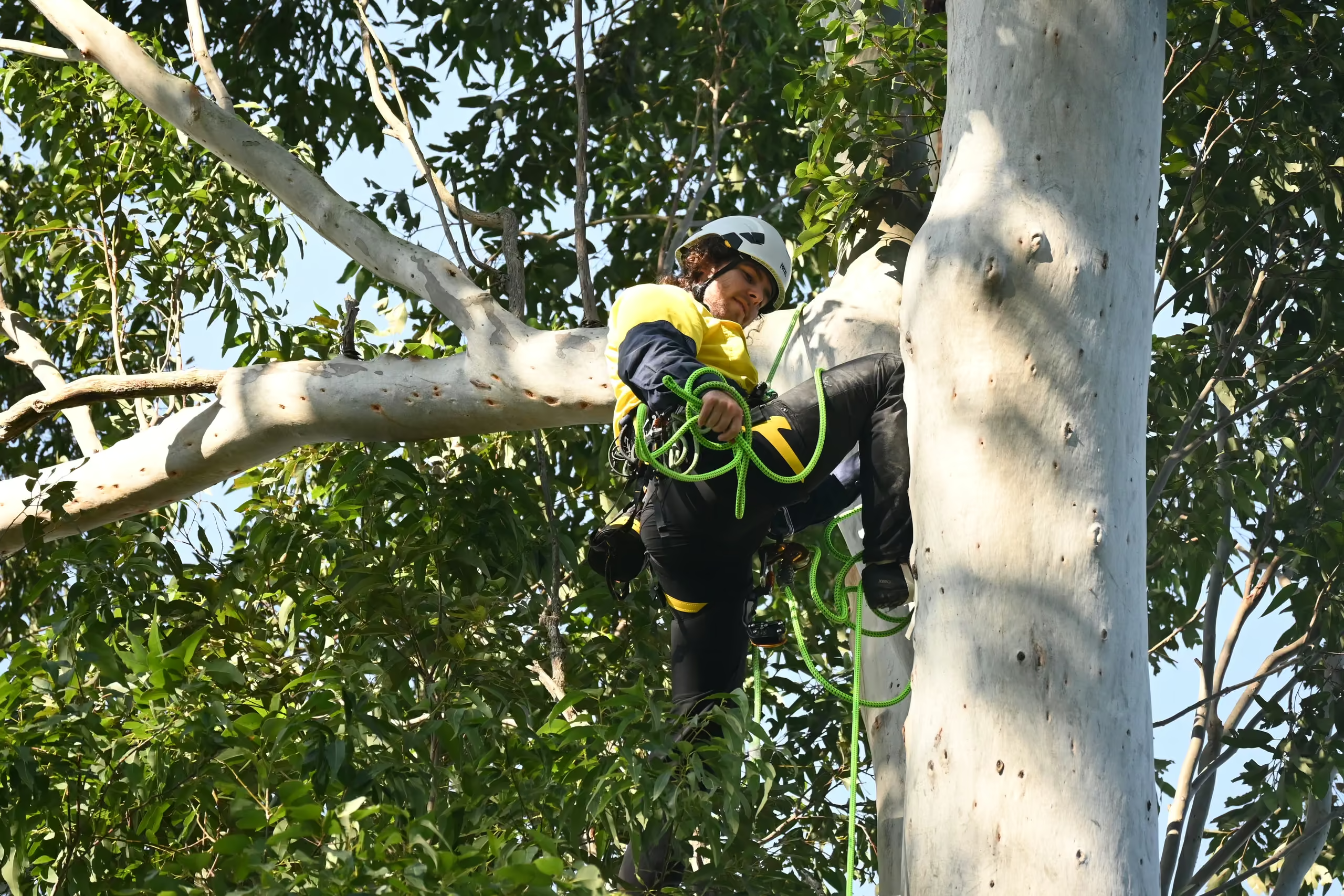
A tree risk assessment considers the likelihood that a tree or part of it will fail within a stated period, the likelihood of impact on a person, property, or infrastructure, and the consequence. It then recommends proportionate management. Management may include monitoring, pruning, target management, further investigation, or removal.
ESEA assesses trees on private, commercial, and government land across Sydney and NSW using a recognised arboricultural risk-assessment framework appropriate to the commission and reports in the form required by the relevant council or client. ESEA does not remove or prune trees, so the advice remains independent of any contractor work that follows.
WHEN REQUIRED
When a tree risk assessment is required
01
A removal or pruning application to council where the grounds is safety rather than development
02
Trees near public spaces, schools, car parks, and infrastructure, where a landowner or manager has a duty of care
03
Conditions of consent requiring retained trees to be assessed before occupation
04
After storm damage, excavation, or a change in the surroundings that alters the risk
05
Periodic assessment of significant or heritage trees
WHAT IS INCLUDED
What an ESEA tree risk assessment involves
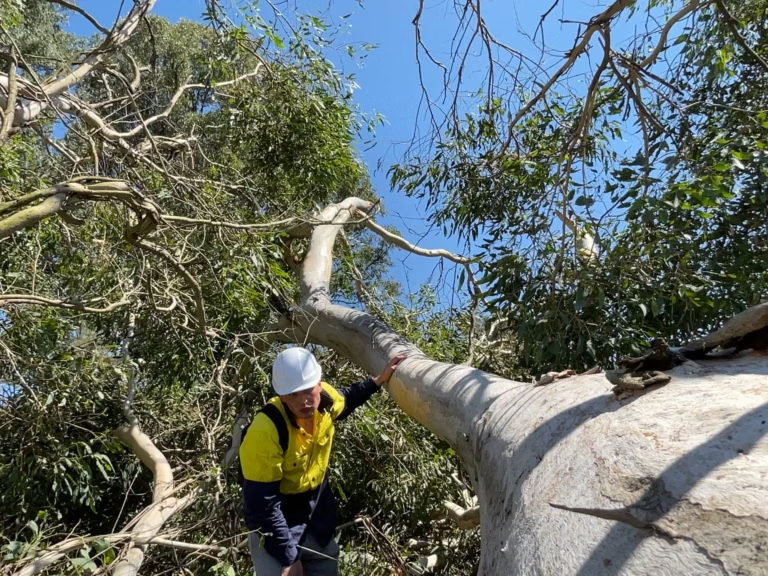
Assessment is undertaken at the level the commission requires, using ground-based visual assessment for most trees and advanced investigation, aerial inspection, or decay testing where a basic inspection cannot resolve the concern.
The report records the tree, targets, observed defects, likelihood and consequence of failure, the resulting risk assessment, and management options. Where a tree also provides fauna habitat, the report identifies that ecological value so risk treatment can consider target management, pruning, or other options before removal is assumed.
HOW WE WORK
How we work on tree risk assessments
A tree risk assessment should give you a practical management decision, not a report that raises more questions than it settles
ESEA matches the inspection level to the issue, tells you plainly which trees need action and which can be managed by monitoring or target management, and responds quickly where a safety concern or a storm event means the advice cannot wait.
Your assessment is managed by an experienced Senior Consultant from commencement through to completion, with Director-level review providing an additional layer of technical and strategic oversight, and the advice remains independent because ESEA does not remove or prune trees.
FAQ
Tree risk assessment FAQs
ESEA's fees for a tree risk assessment generally fall between about $1,000 and $5,000 plus GST. The number and size of trees, whether aerial inspection or decay testing is needed, the targets around the tree, and whether the report supports a removal application drive the figure. Further investigation or monitoring may be needed where a basic inspection cannot resolve the concern. We quote an itemised scope so you can see what is included and what would be a variation.
That is what the assessment establishes, with a rating rather than a yes or no. Many trees that look alarming carry low risk because nothing is beneath them, and some healthy-looking trees carry high risk because of what they would hit. The rating is what council and an insurer act on.
Often it can be managed. Reducing the crown, removing a defective limb, moving or excluding the target, or monitoring at intervals frequently brings the risk to an acceptable level without losing the tree, and the report sets out each option against the rating.
Council requirements vary. ESEA checks the current council controls and project brief, matches the inspection level and reporting method to the issue, and states the method and limitations clearly in the report. Where a council or client requires a particular qualification or named methodology, that requirement is confirmed before the commission is accepted.
Related Arboriculture Services
Nest Box and Artificial Habitat Installation
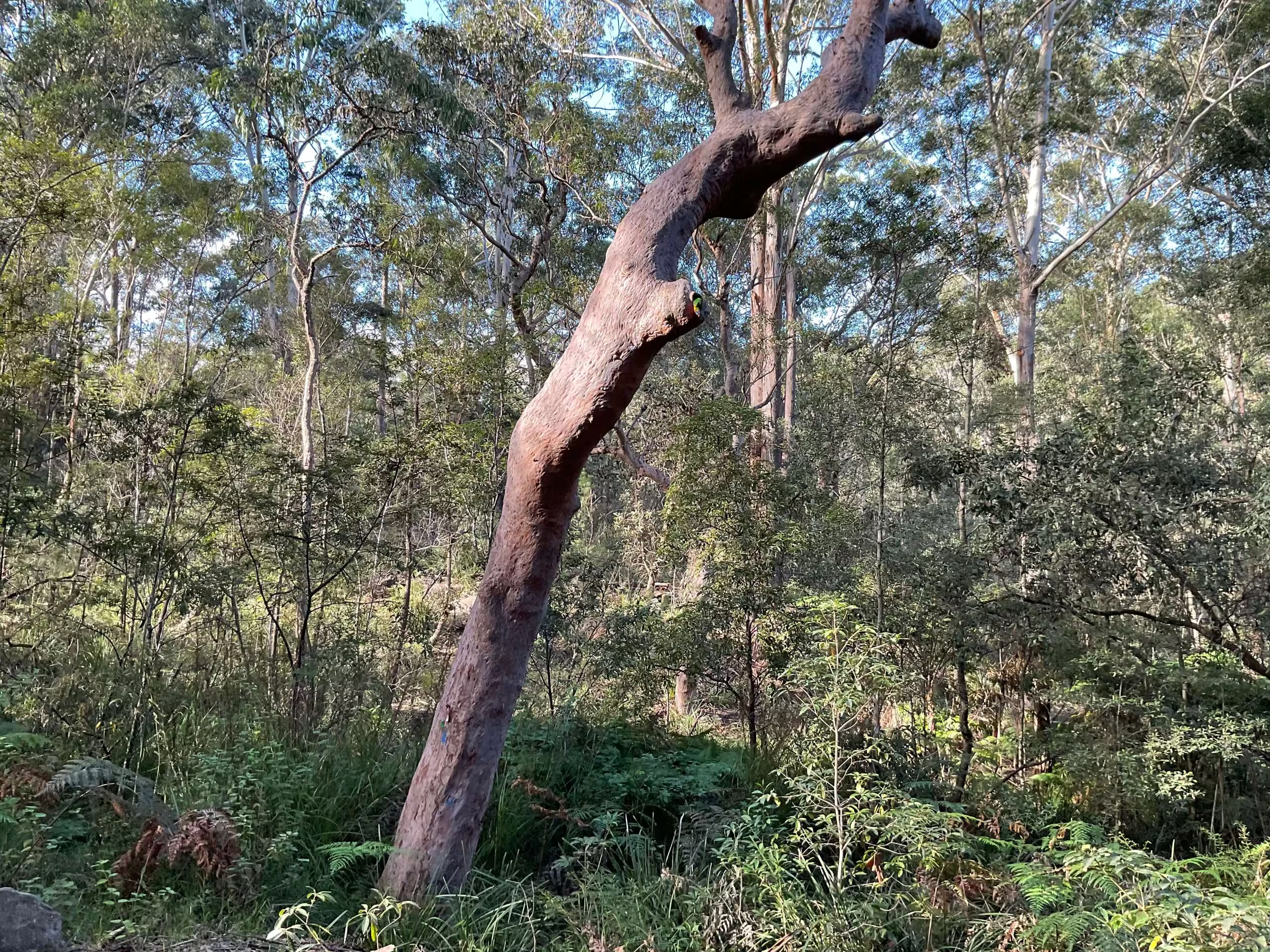
Salvaged hollows and nest boxes to replace habitat lost to clearing
Arboricultural Assessments
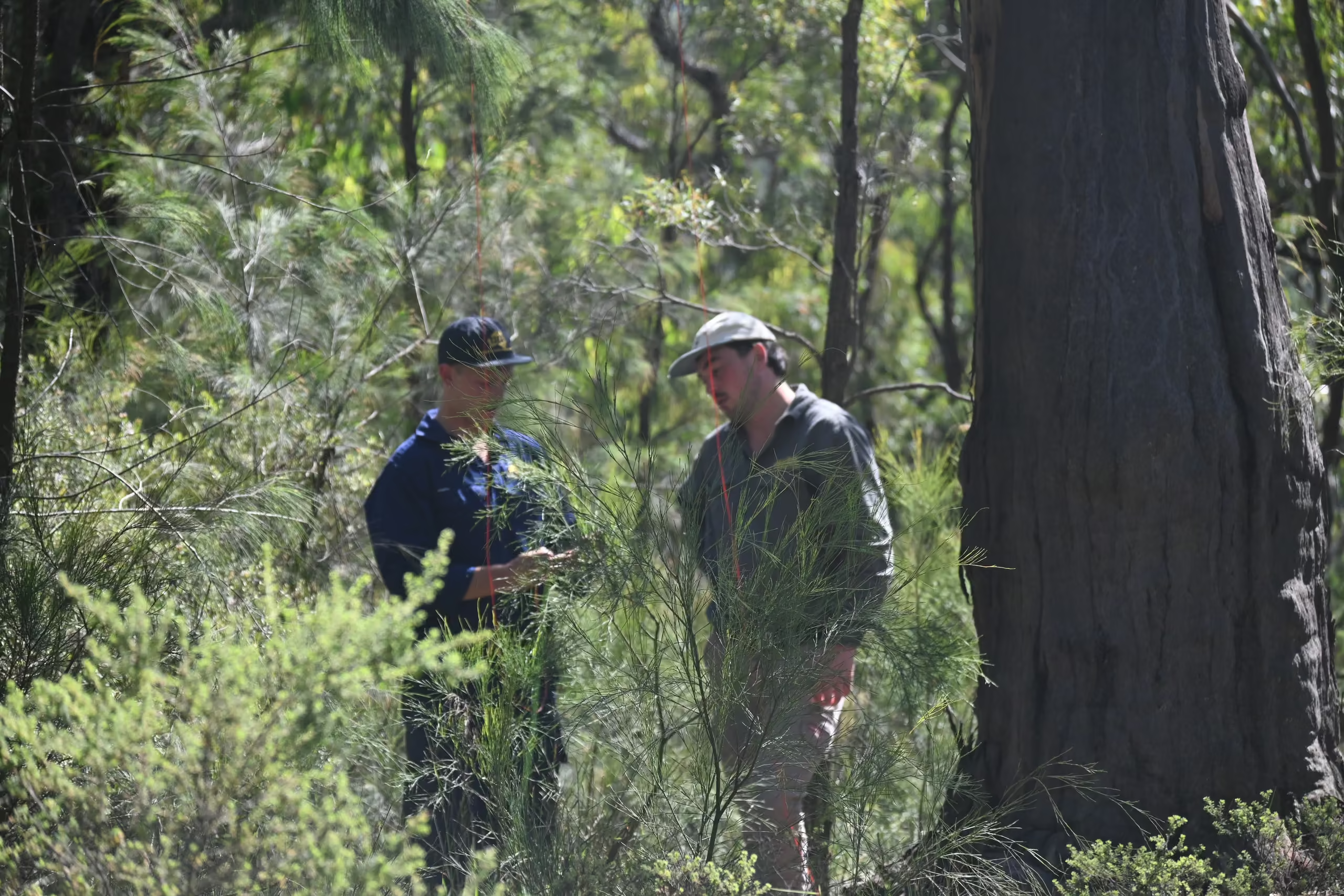
Tree surveys, protection zones, and encroachment assessment to AS 4970:2025
Vegetation Clearing Supervision and Certification
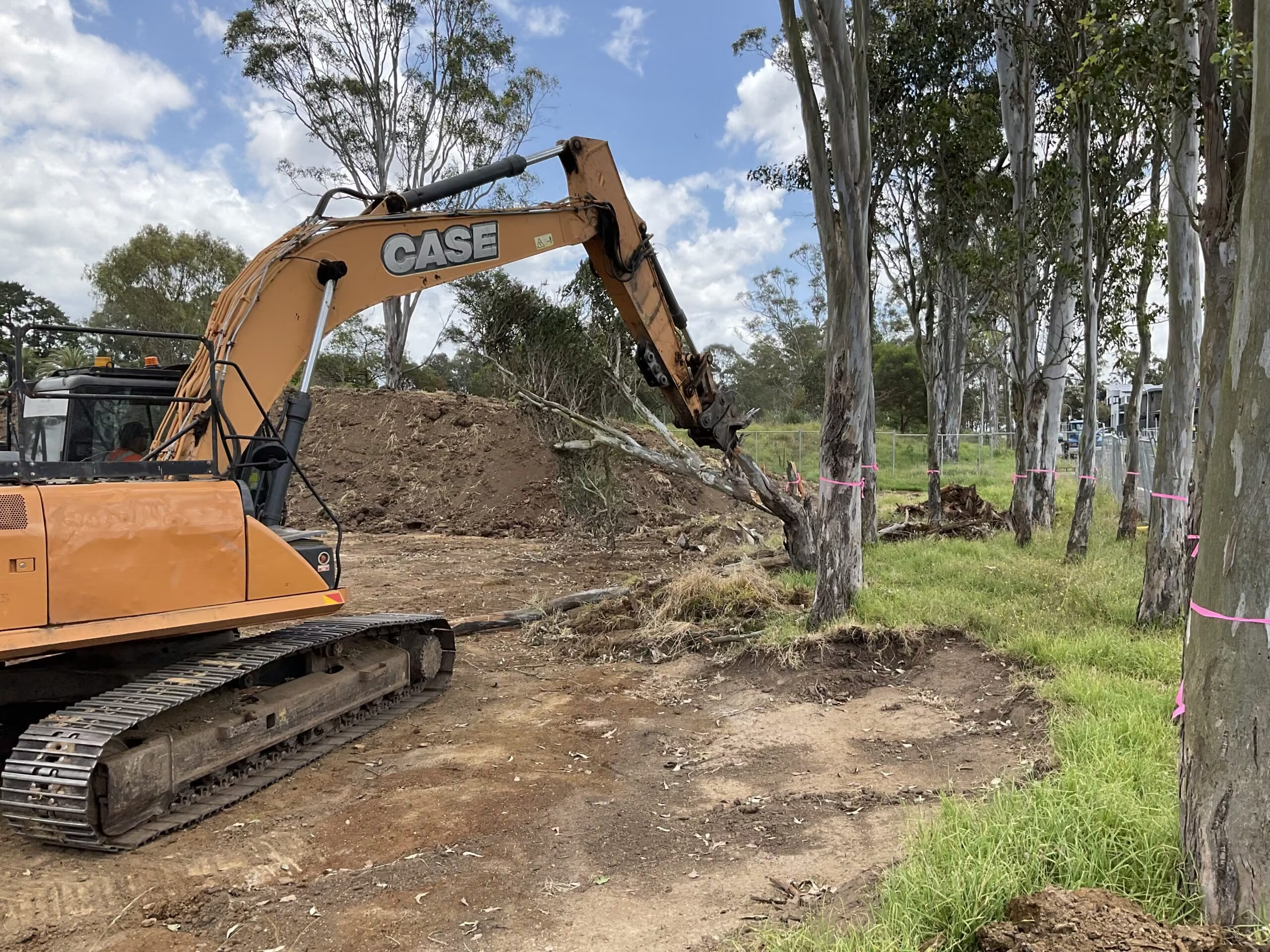
Pre-clearing surveys, fauna spotter-catcher attendance, and clearing certification
partner with us
Concerned about a tree on your property?
Tell us where the tree is and what sits beneath it. We will assess the risk independently of any removal work and recommend proportionate management options.