Services on this project
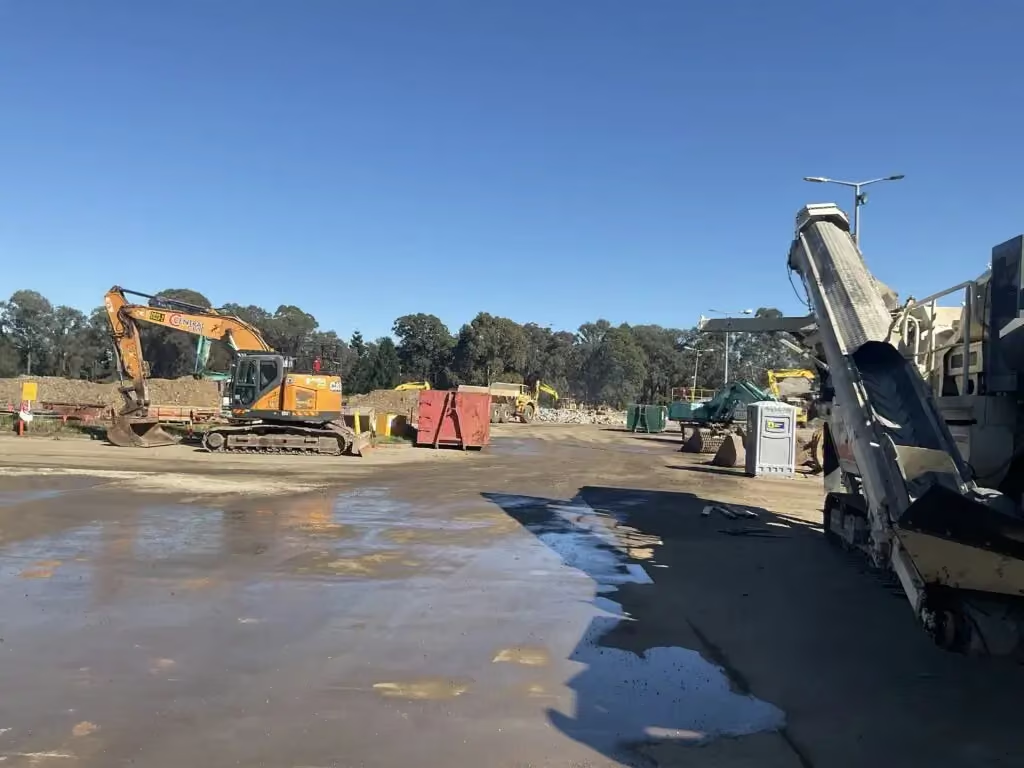
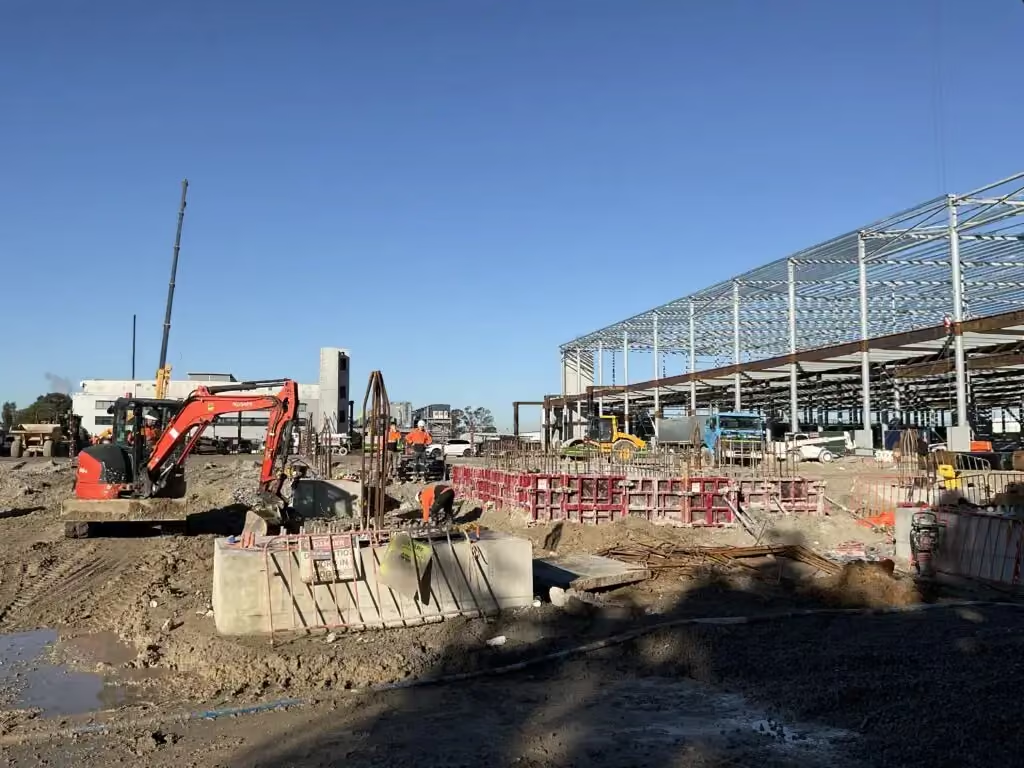
ESEA has supported a large-scale industrial development at Lee Holm Road, St Marys, by using the site’s contaminated-land and flooding constraints to focus development within more disturbed areas and help maximise the achievable gross floor area.
What had to be managed?
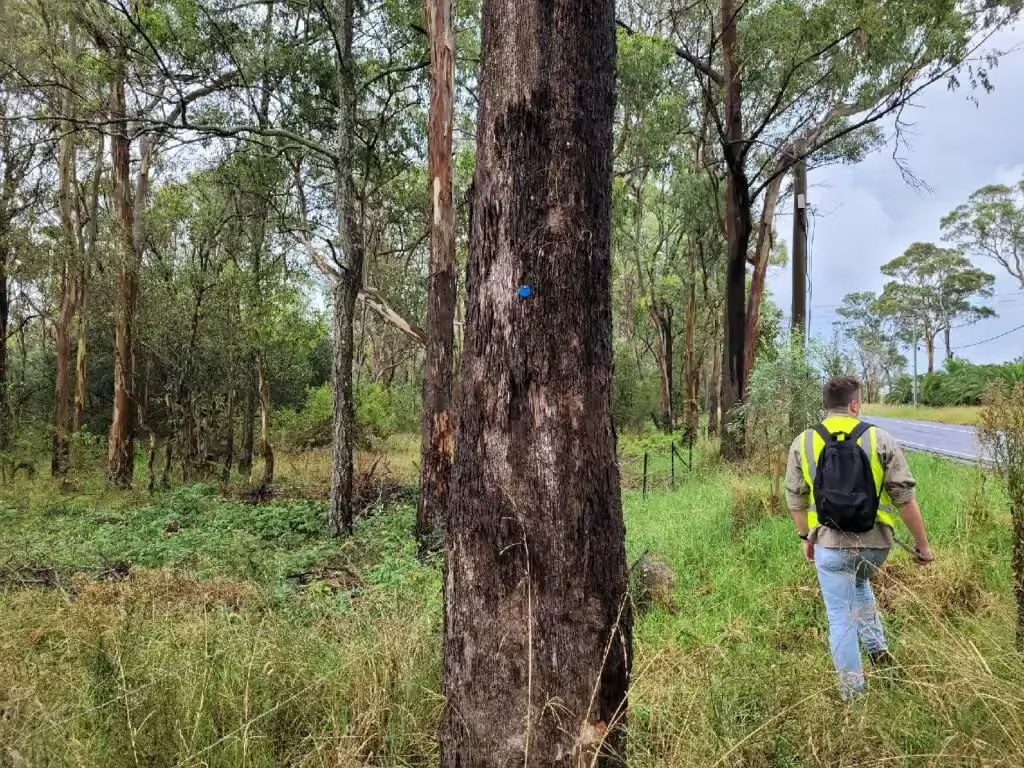
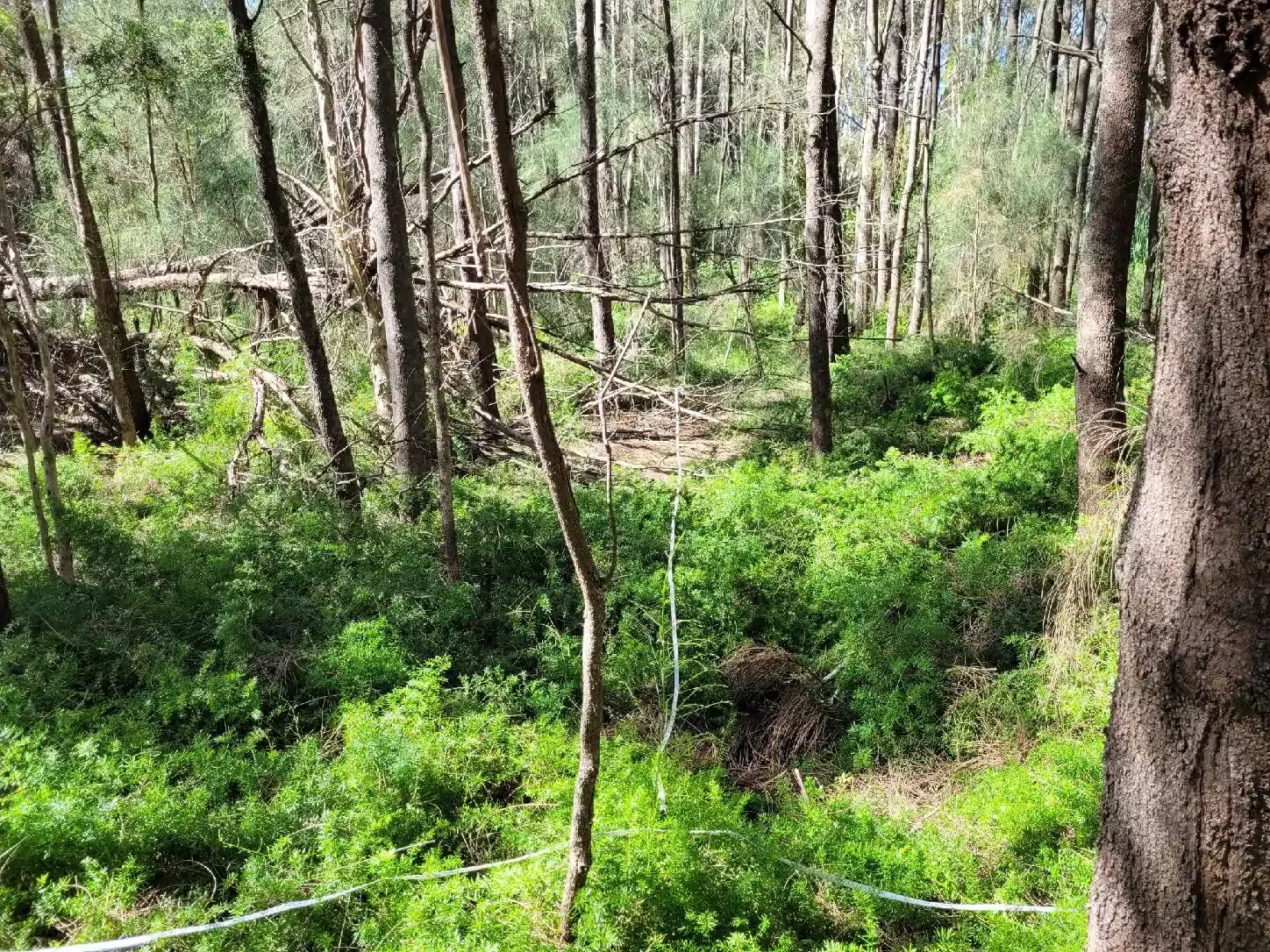
Beyond the contaminated land and flooding, the work has required careful management of the riparian corridor, existing vegetation, a power easement and Vegetation Management Plan constraints.
How the constraints shaped the layout
Where several constraints overlap, the most disturbed parts of a site are usually the least constrained ecologically. Directing the development footprint toward those areas reduces the vegetation and riparian impacts that need to be assessed and managed, which protects the gross floor area the project depends on. See biodiversity and ecological assessments, vegetation management plans and controlled activity approvals.
ESEA does not undertake contaminated land assessment; on this project the contamination constraint was one of the inputs the ecological advice worked with, alongside the specialists who assess it.
Related reading
Another industrial example is the controlled activity exemption at Smeaton Grange.