Environmental consultants in Ku-ring-gai
Small footprints, remnant old-growth trees, and two critically endangered forest communities, which is why ecology and arboriculture need particular attention in Ku-ring-gai.

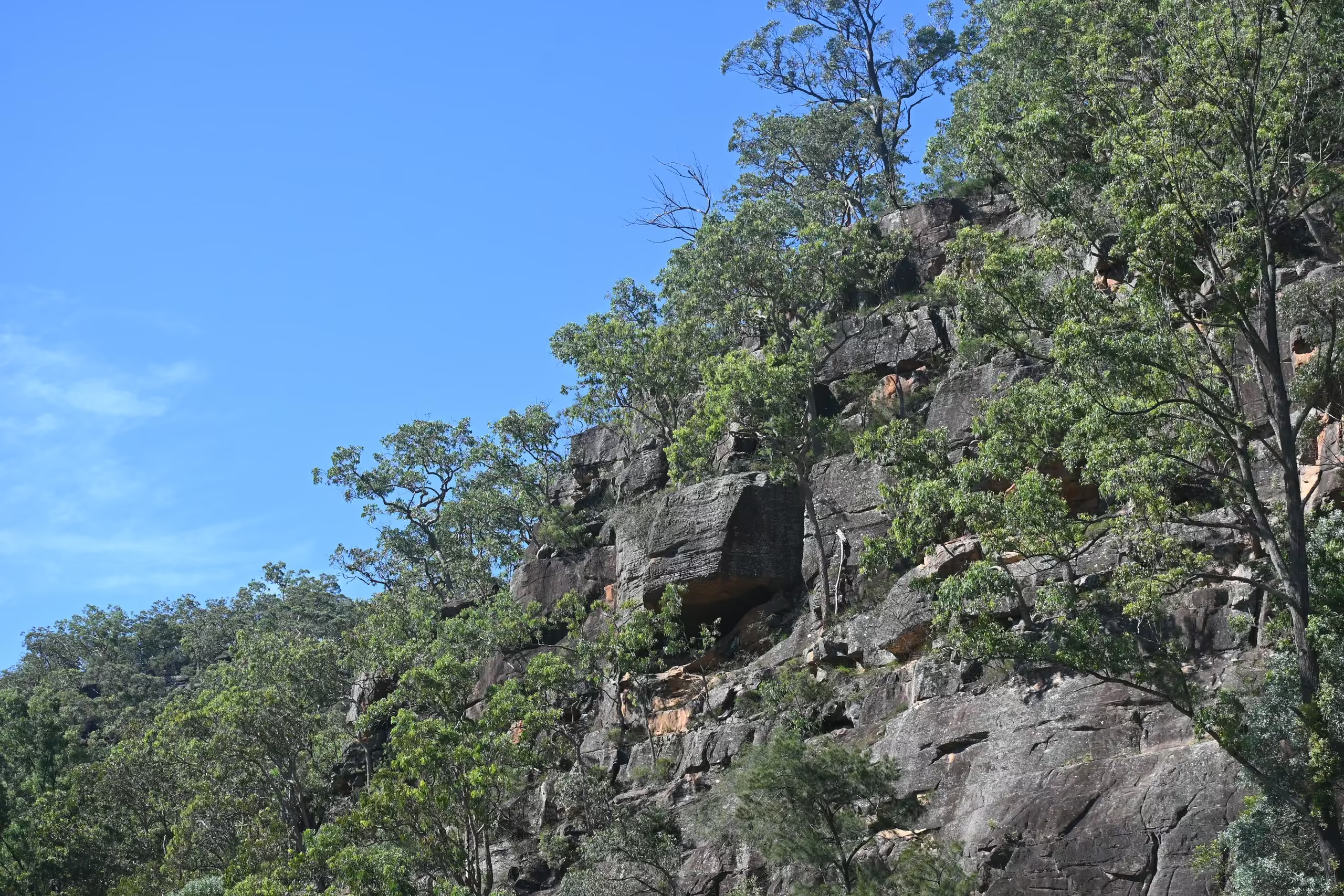
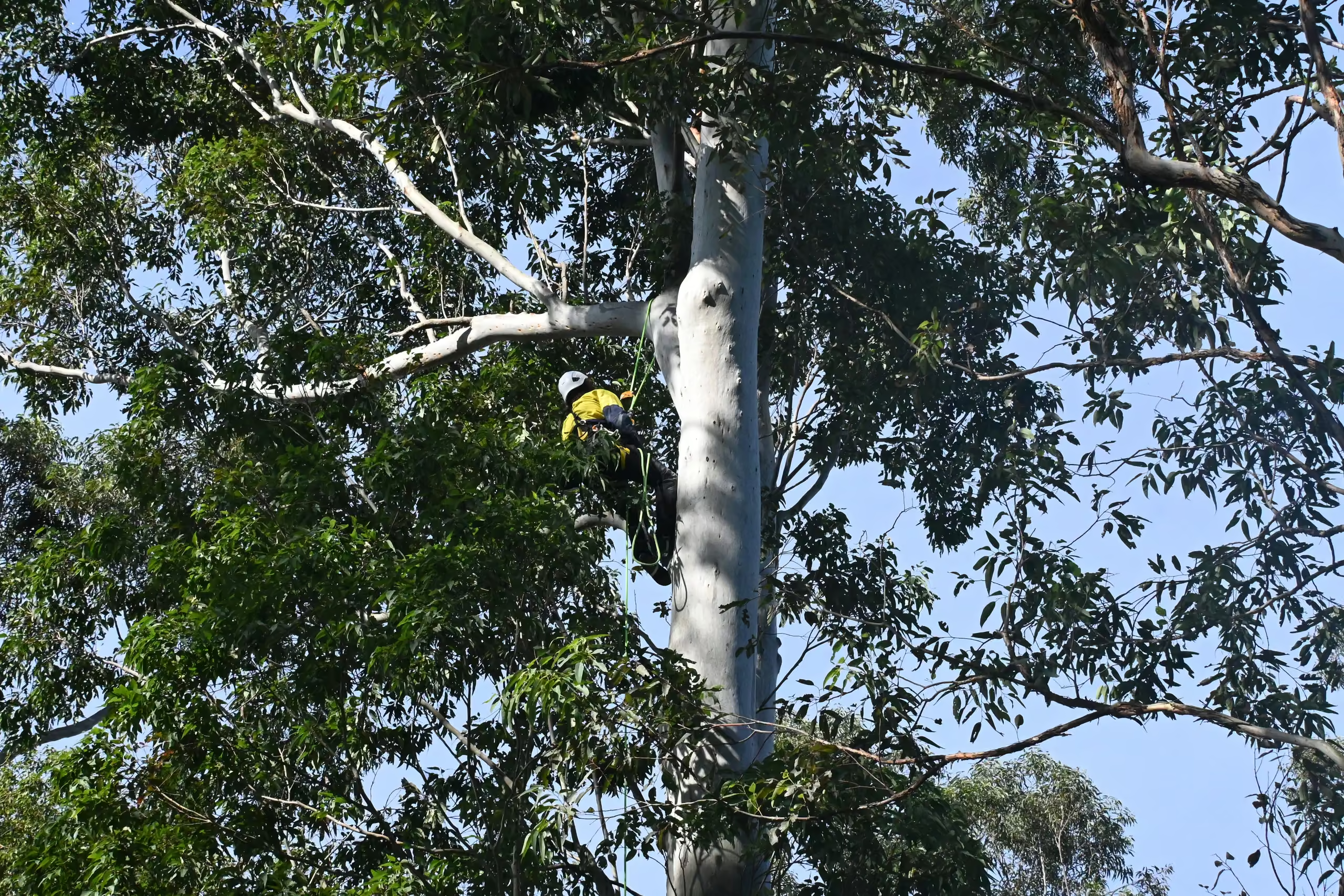
In Ku-ring-gai the ecological question is rarely how much land is cleared and almost always which trees, because the LGA holds the best remaining Blue Gum High Forest and Sydney Turpentine-Ironbark Forest, and Council protects trees of five metres or more or 150 millimetres trunk diameter at ground level. ESEA prepares biodiversity development assessment reports, flora and fauna assessments, vegetation management plans, and arboricultural impact assessments across Lindfield, Wahroonga, St Ives, Gordon, Killara, Pymble, and Turramurra, and provides independent expert ecological input where an application is contested.
Quick facts for Ku-ring-gai
Council
Ku-ring-gai Council, 818 Pacific Highway, Gordon
Tree controls
Ku-ring-gai DCP Part 13 Tree and Vegetation Preservation; protected tree is five metres or more in height or 150 millimetres trunk diameter at ground level; dead trees are not exempt without written confirmation; Council's Guidelines for the Preparation of Arborist Reports apply
Threatened communities
Blue Gum High Forest (critically endangered, under five per cent remaining), Sydney Turpentine-Ironbark Forest
Species
Grey-headed Flying-fox (Ku-ring-gai Flying-fox Reserve, Gordon), Powerful Owl, Glossy Black-Cockatoo
Waterways
Lane Cove River and tributaries, Cowan Creek; core riparian zones under Council's Biodiversity and Riparian Lands Study
Distance from ESEA
About 18 kilometres, 25 to 30 minutes, from Pyrmont to Gordon
Council rules and assessment pathways in Ku-ring-gai
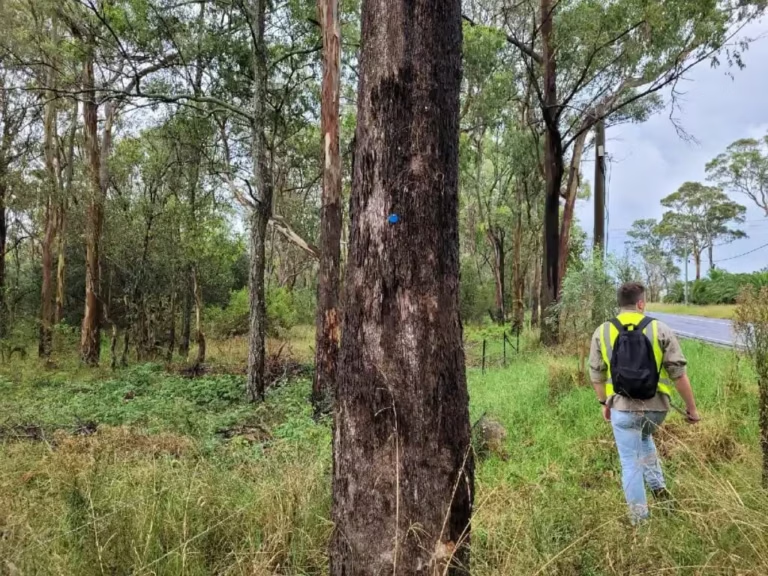
Part 13 of the Ku-ring-gai DCP protects trees of five metres or more in height or 150 millimetres trunk diameter measured at ground level, and works need written consent unless an exemption in Part 13.2 applies, such as listed exempt species or minor pruning of branches under 50 millimetres to AS 4373. A dead tree is not automatically exempt, Council must confirm in writing that it is dead and not required as fauna habitat, which is a point that catches people out. Significant trees may require an arborist report and testing, and Council publishes its own arborist report guidelines. The DCP treats tree and vegetation preservation, riparian land, and biodiversity as separate provisions, so a project with mature trees and a bushland interface usually needs both an arboricultural and an ecological assessment coordinated with each other.
Vegetation, species and waterways
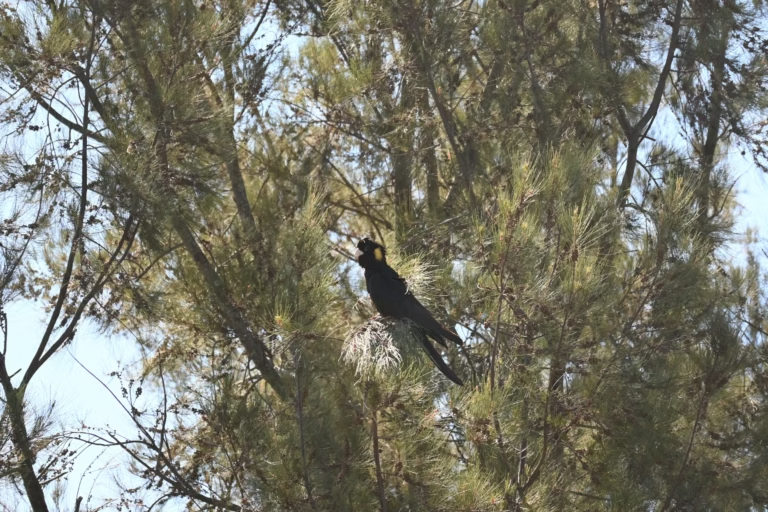
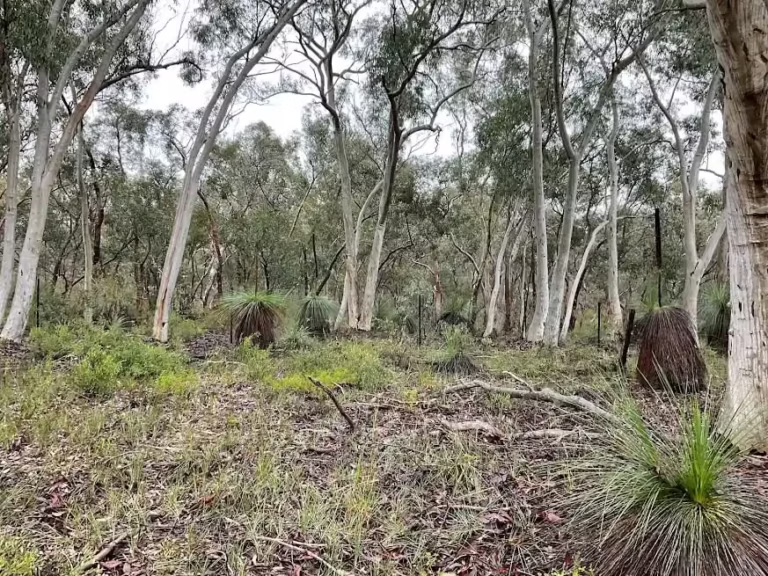
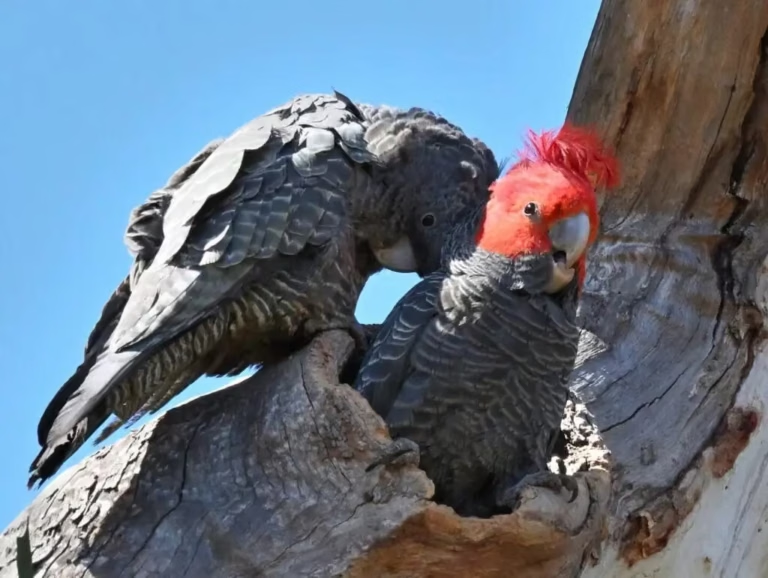
Blue Gum High Forest is the signature constraint, critically endangered under both NSW and Commonwealth law with less than five per cent of its original extent left, and much of what remains is on private land in this LGA. Sydney Turpentine-Ironbark Forest is the other community that turns a garden with tall native trees into a statutory question. Grey-headed Flying-foxes camp at Gordon, Powerful Owls breed in the larger reserves, and Glossy Black-Cockatoos feed on the she-oaks, so hollow-bearing and feed trees carry species implications as well as community ones.
Where the work is
Work here comes from residential infill and apartment redevelopment, especially the State-led transport-oriented development and low and mid-rise housing changes around Gordon, Killara, Lindfield, Pymble, Roseville, and Turramurra stations, which Council has publicly contested on environmental grounds. That produces a steady flow of arboricultural impact assessments, ecological assessments of urban vegetation, and contested applications where independent expert evidence is needed.
ESEA's work in Ku-ring-gai
At Middle Harbour Road, Lindfield, ESEA prepared a biodiversity development assessment report and a flora and fauna assessment for a 61 apartment redevelopment in a transport-oriented development setting. The assessment found that the site's vegetation, despite native and naturalised canopy trees, did not constitute a mapped Plant Community Type or threatened ecological community in the circumstances examined. The lesson runs both ways, vegetation origin, composition, and structure need assessment rather than assumption.
At Braeside Street, Wahroonga, ESEA's work has run from a biodiversity development assessment report through Land and Environment Court related ecological input, a vegetation management plan, and habitat certification and compliance work, and ESEA has provided independent expert ecology input on a separate matter at St Ives.
Places we work near
Middle Harbour Road at Lindfield, Braeside Street and the Wahroonga ridge, Yalunga Place at St Ives, the Pacific Highway station precincts from Roseville to Wahroonga, Dalrymple-Hay Nature Reserve and Sheldon Forest, the Ku-ring-gai Flying-fox Reserve at Gordon, and the Lane Cove River and Ku-ring-gai Chase bushland that frame the LGA.
Services most requested in Ku-ring-gai

Biodiversity development assessment reports and flora and fauna assessments for infill sites

Arboricultural impact assessments coordinated with the ecological assessment

Vegetation management plans

Independent expert ecological evidence for contested applications

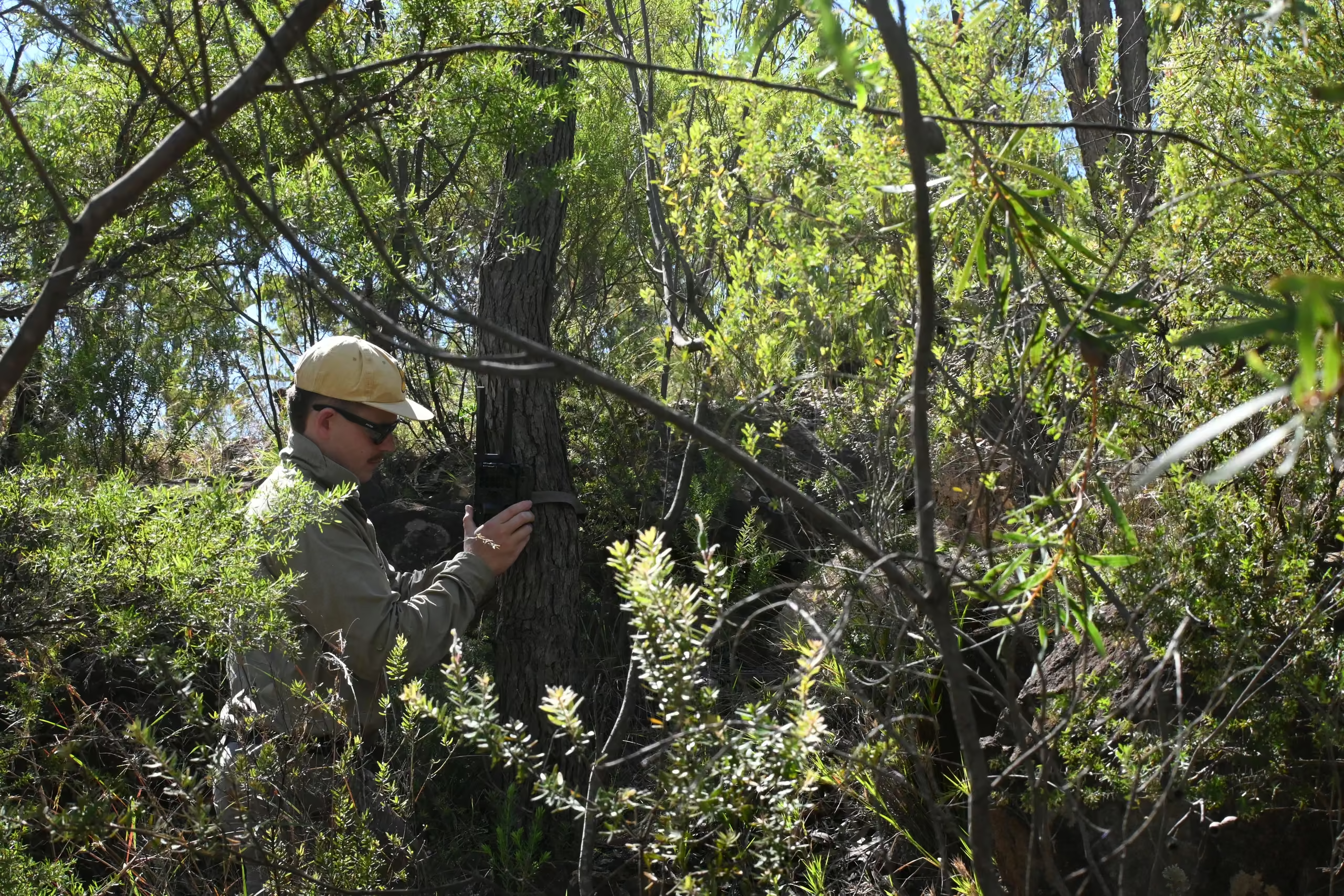
Hollow-bearing tree assessment and targeted owl and microbat surveys

Habitat replacement and post-approval compliance
What we tell clients before they start in Ku-ring-gai
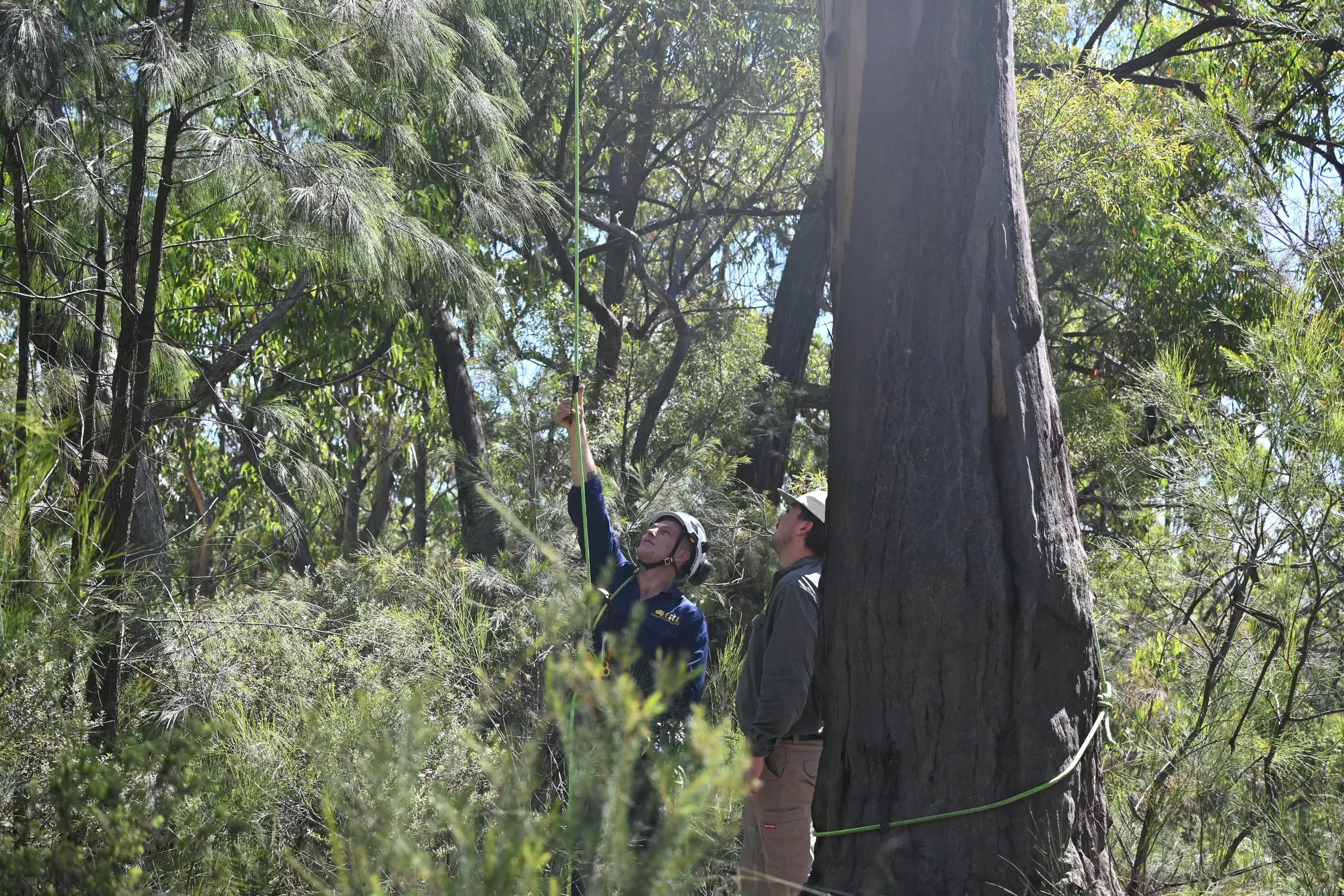
Bring ecology and arboriculture into concept design together. An arborist report considers individual trees and their response to the works, while an ecological assessment considers communities, habitat, and biodiversity impacts.
Do not label native-looking vegetation as Blue Gum High Forest, and do not dismiss real remnant values because a site looks landscaped. Both mistakes are common and both are expensive, one through unnecessary offsets and the other through a report that fails assessment.
On Ku-ring-gai infill sites we engage before the basement, driveway, and building envelope are fixed, so the ecological and arboricultural findings shape the design and support approval rather than react to it. Each project is managed by a Senior Consultant from commencement through to completion, with Director-level review of every report, and we keep you informed with responsive communication and clear timelines throughout.
Common questions about Ku-ring-gai
Only assessment can say. The community is defined by species composition, structure, and origin, not by the presence of a few Sydney Blue Gums, and the answer decides whether the Biodiversity Offsets Scheme applies.
No. Council must confirm in writing that the tree is dead and not required as fauna habitat before it can be removed, because dead hollow-bearing trees are habitat for owls, gliders, and microbats.
A BDAR generally starts from about $15,000 plus GST and a flora and fauna assessment from about $8,000. Sites here are small, so the fee is driven by the community present and whether hollow-bearing trees need targeted owl or microbat survey rather than by area, and the arboricultural impact assessment is typically $7,000 to $15,000.
Yes, as independent technical ecological evidence prepared to the court's expert witness requirements. It is evidence, not advocacy, and we say when the evidence does not support a position.
Other areas we serve
Start with the site or project
Tell us about your site, project, or research programme, what you are looking to achieve, and the current stage of your project. We will review the available information, identify the likely environmental requirements, and prepare an itemised proposal, typically within two business days for straightforward enquiries.