AREAS WE SERVE

Environmental consultants in Sydney CBD and the City of Sydney

ESEA's office is in Pyrmont, inside the City of Sydney, which makes inner-city project teams our closest clients and urban ecology a service we take seriously.

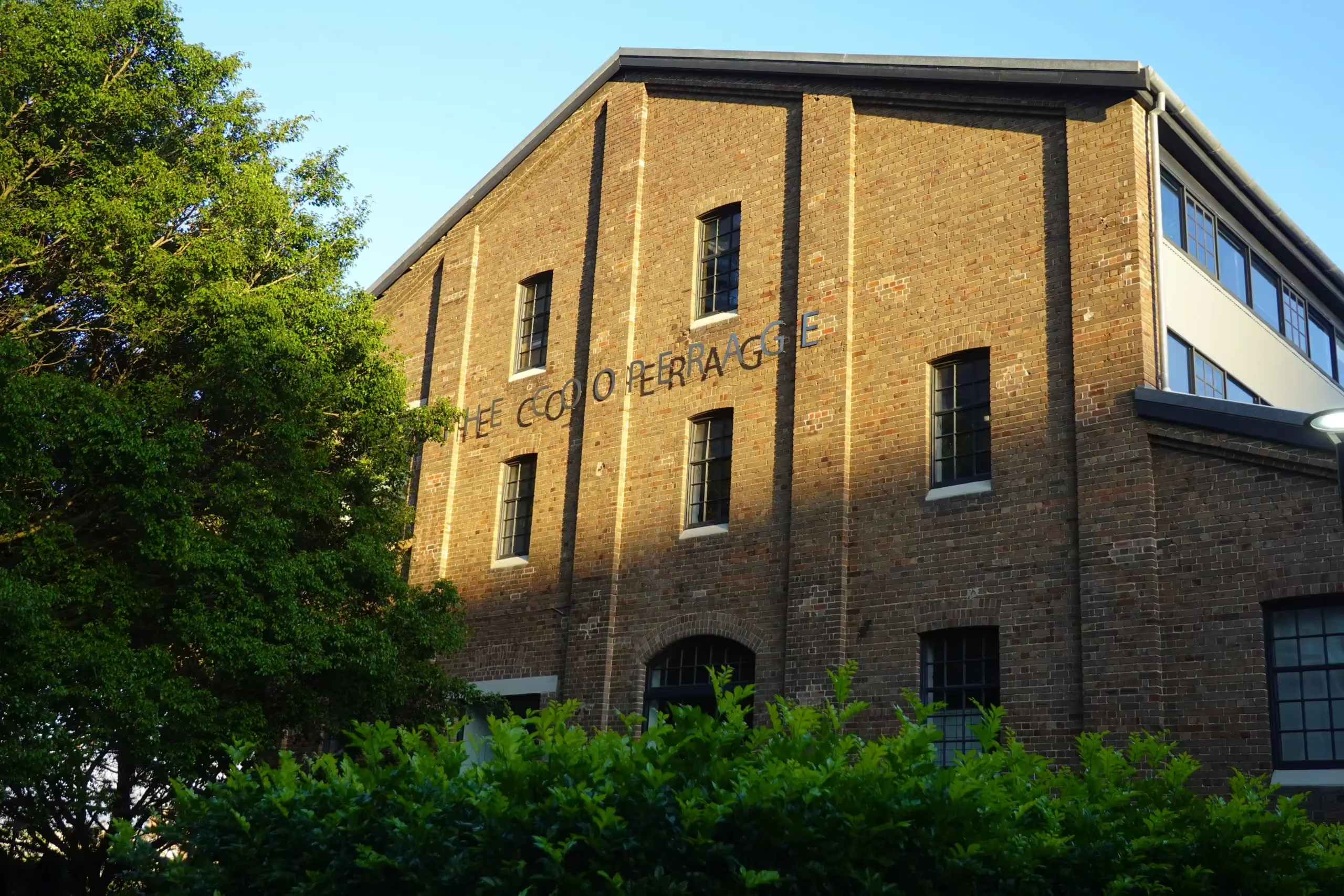
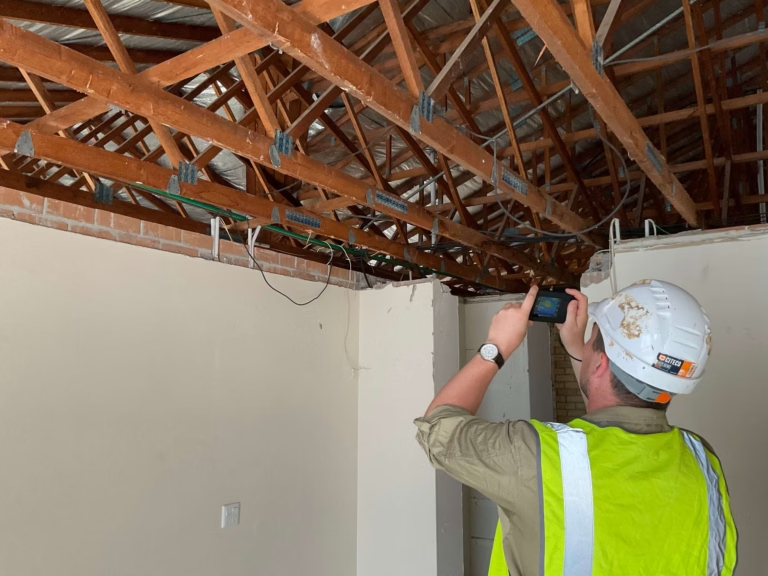
Heritage brick warehouse building with trees in Sydney, part of an ESEA environmental projectESEA consultant in hard hat photographing a roof space during a pre-demolition fauna and thermal survey, Sydney

An inner-city address does not remove ecological requirements. In the City of Sydney local government area, ecological assessment usually concerns fauna using mature trees, buildings, and parks, and the effect of lighting, demolition, or tree works on them. ESEA, based at Suite 402/56 Bowman Street, Pyrmont, prepares Tests of Significance, fauna inspections, arboricultural impact assessments, and lighting impact assessments for developments, signage, public domain works, and infrastructure across the City of Sydney.

QUICK FACTS

Quick facts for Sydney CBD and the City of Sydney

01
02

Tree controls

Sydney LEP 2012 clause 5.9 and Sydney DCP 2012 section 3.5.3 Tree Management; heritage trees and conservation areas require a development application

03

Species that come up

Grey-headed Flying-fox foraging, Powerful Owl in parks, microbats in buildings

04

Waterways

Port Jackson, Blackwattle Bay, and Johnstons Bay, with waterfront land work along the foreshore

05

ESEA office

Pyrmont, inside the LGA. Suite 402/56 Bowman Street, Pyrmont NSW 2009, Monday to Friday 8:30am to 5pm, 1300 000 525

COUNCIL RULES

Council rules and assessment pathways in Sydney CBD and the City of Sydney

Trees in the City of Sydney are protected under clause 5.9 of the Sydney Local Environmental Plan 2012 and section 3.5.3 of the Sydney Development Control Plan 2012. Most tree work needs a tree permit, and a development application is required where a tree is a heritage item or sits in a heritage conservation area. The City keeps a significant tree register and an urban forest strategy, and ecological assessment on a DA is usually triggered by heritage, a mapped constraint, or a specific fauna question rather than a broad flora and fauna threshold.

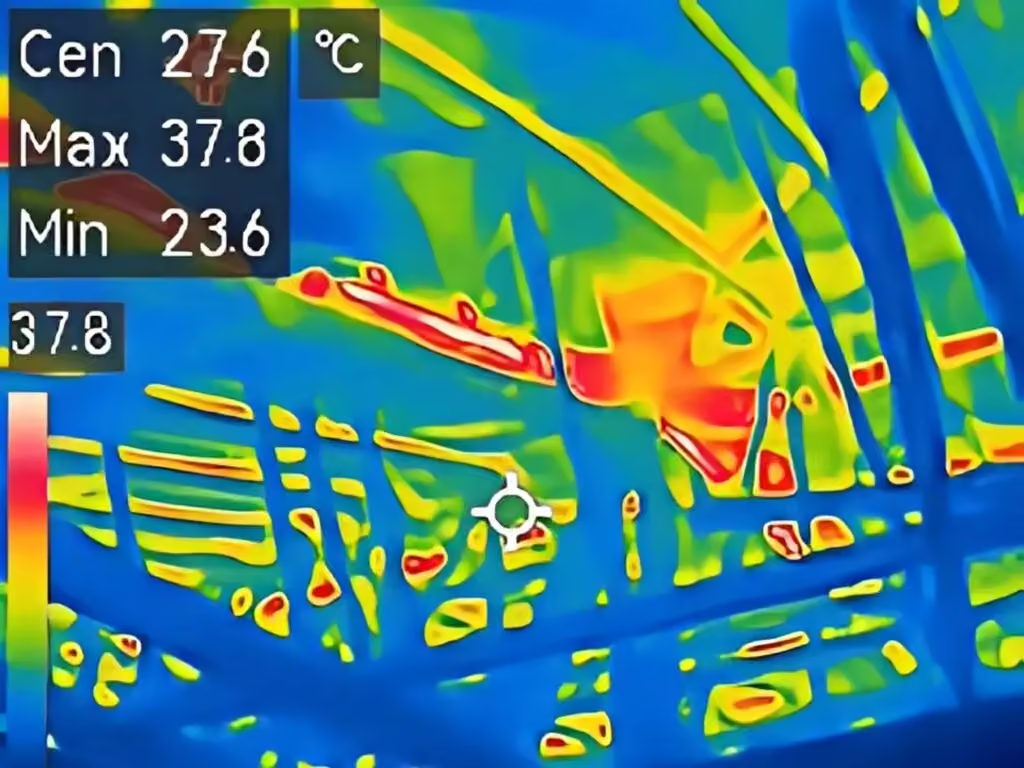
Thermal imaging camera view with temperature readings used by ESEA for nocturnal fauna detection
LOCAL ECOLOGY

Vegetation, species and waterways

The City is heavily modified, so the ecological questions are urban ones. Grey-headed Flying-foxes forage across the inner city at night, Powerful Owls have been recorded in the larger parks, and microbats roost in buildings and bridges. The trees that matter are mature figs, eucalypts, and street trees with hollows, and the habitat that matters is often a park adjoining the site rather than anything within the site itself.

DEVELOPMENT CONTEXT

Where the work is

Work in the City comes from urban renewal, illuminated signage, demolition and redevelopment, tree and canopy impacts, and public domain and infrastructure works near parks. The Central Precinct and Tech Central renewal, Barangaroo, and the Sydney Metro West stations at the CBD and Pyrmont are the large programmes, and each generates arboricultural and fauna assessment needs even where there is no vegetation to clear.

ESEA's work in Sydney CBD and the City of Sydney

ESEA produced a Test of Significance for a suite of proposed digital advertising signs on Sydney Park Road at Erskineville, where the works footprint was fully modified but the signs would operate at night beside a large urban green space. The assessment considered effects on Powerful Owl and Grey-headed Flying-fox using Sydney Park, found no vegetation, threatened community, or habitat feature within the footprint and concluded that significant effects on the nominated species were unlikely in the circumstances assessed, giving the project team site-specific evidence rather than the assumption that an urban location needed no ecology at all.

Services most requested in Sydney CBD and the City of Sydney

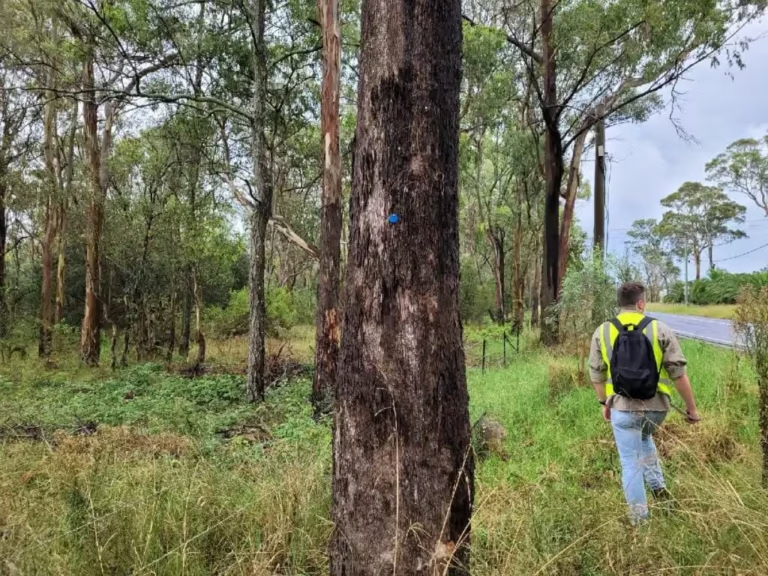
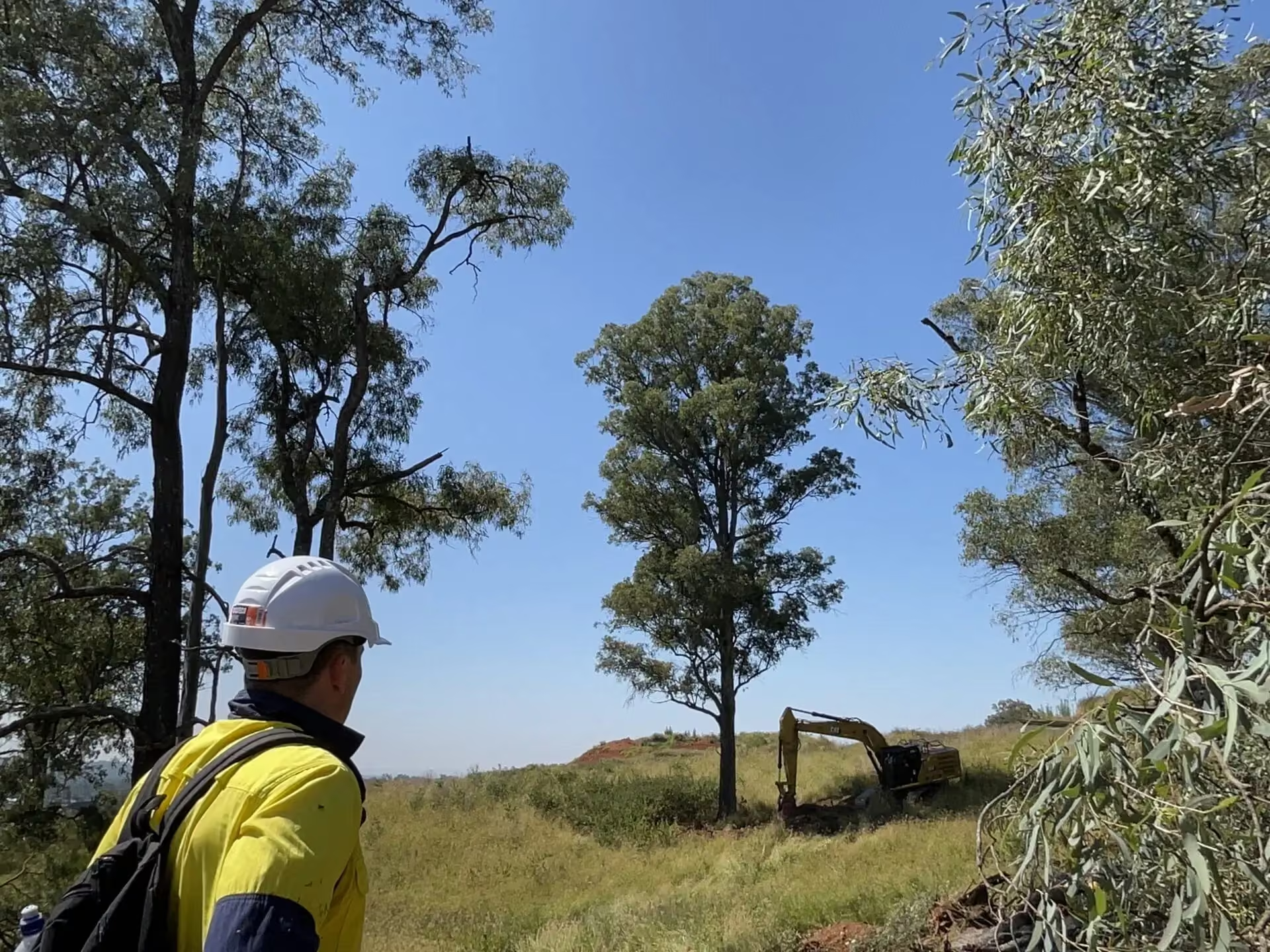
ESEA consultant in hi-vis inspecting tagged trees along a road reserve during an arboricultural impact assessment in NSW

Tests of Significance and flora and fauna assessments for urban sites

Focused assessment of likely impacts on threatened species and communities where the Biodiversity Offsets Scheme is not triggered.
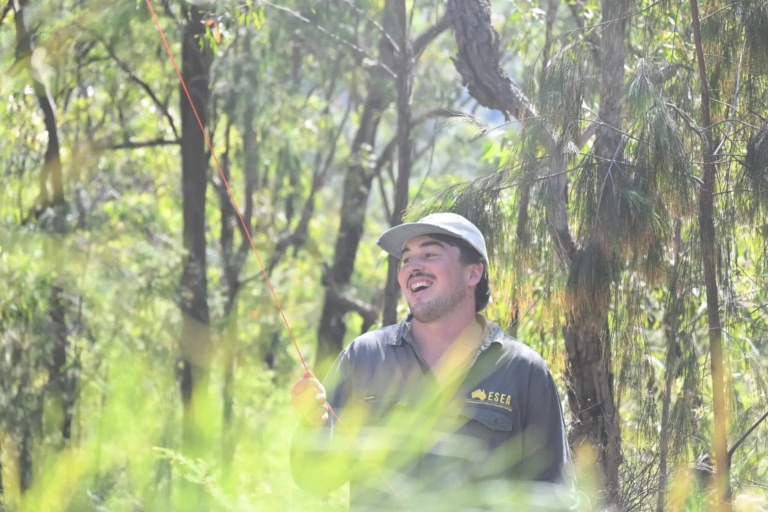
Smiling ESEA ecologist in a cap standing in eucalypt bushland during a flora and fauna survey in NSW

Pre-demolition thermal and fauna inspections of buildings

Thermal imaging of buildings, cavities, and hollow-bearing trees before demolition or clearing.
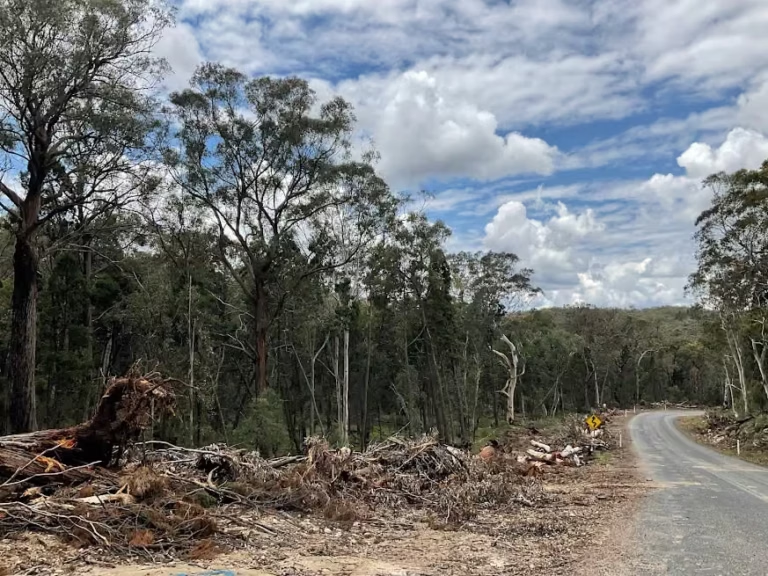
Cleared vegetation stockpiled beside a bushland road on a site mapped by ESEA drone survey in NSW

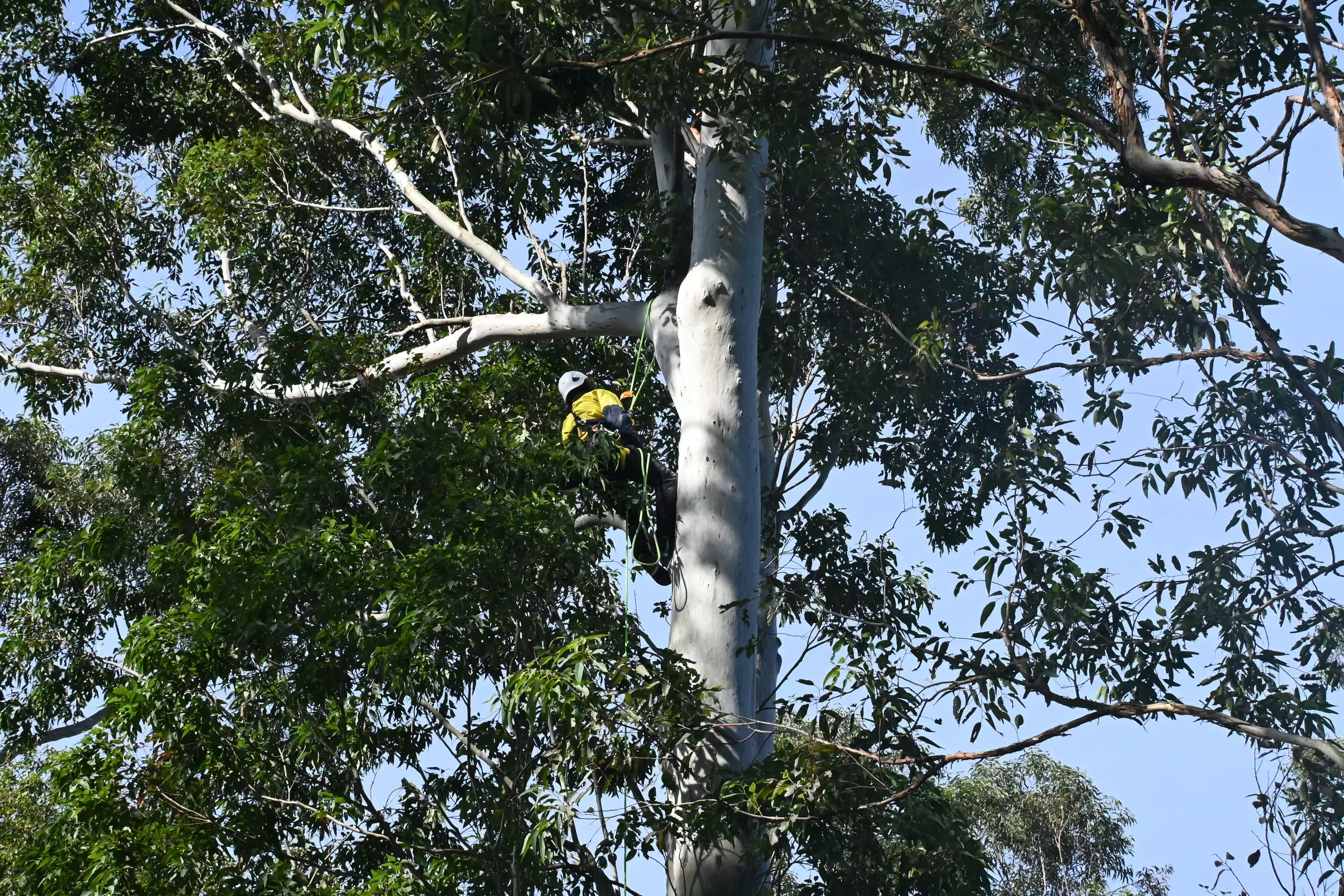
Arboricultural impact assessments for DAs affecting protected trees

Tree survey, retention value, Tree Protection Zones, and Structural Root Zones to AS 4970:2025, in your council's required format.
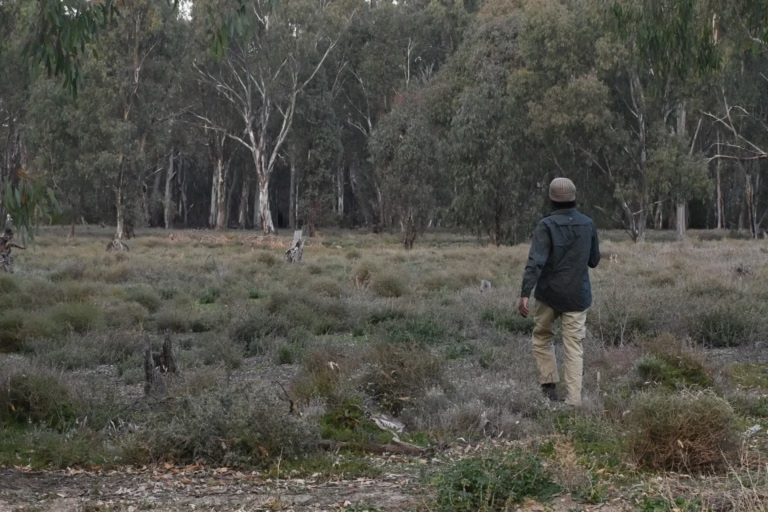
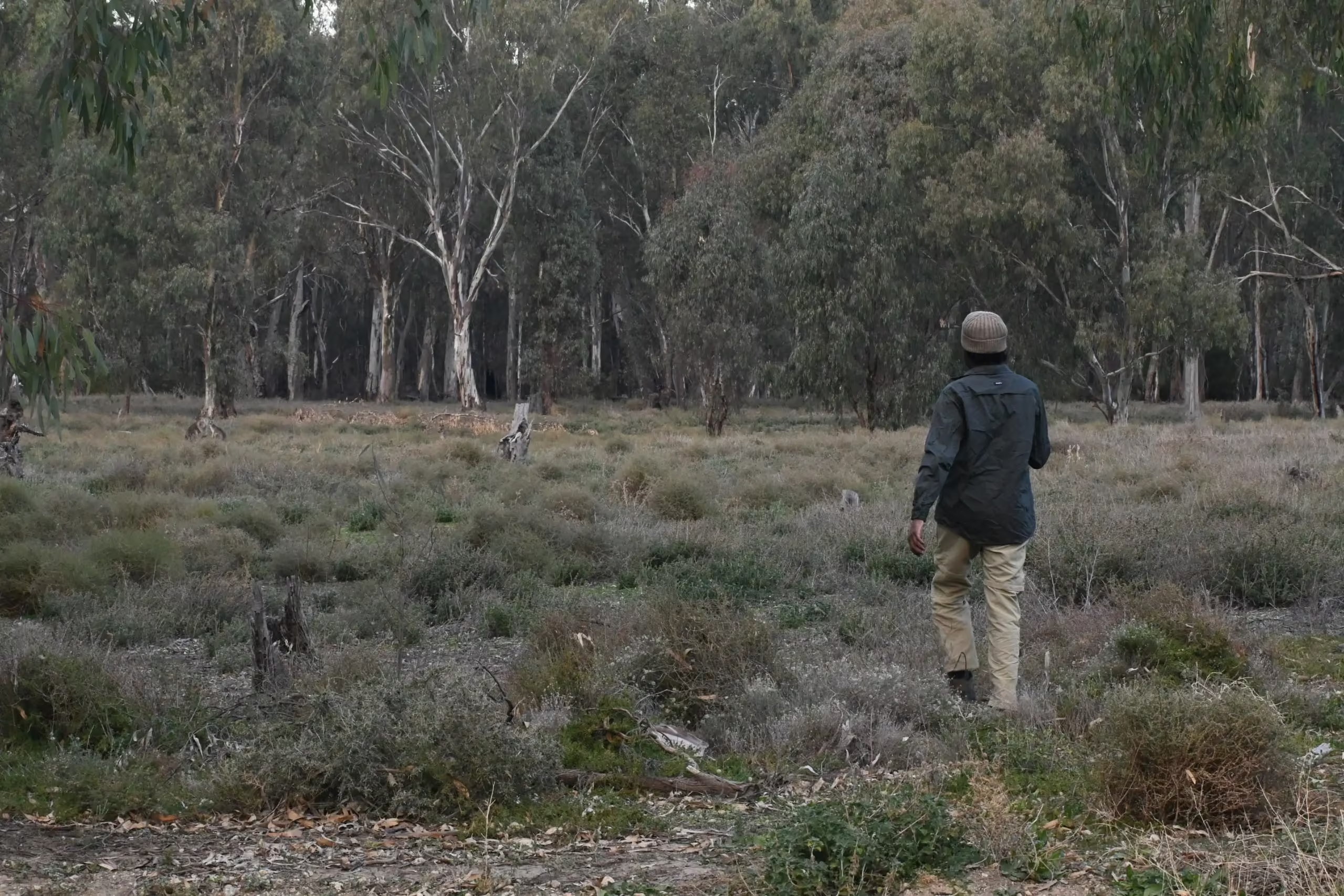
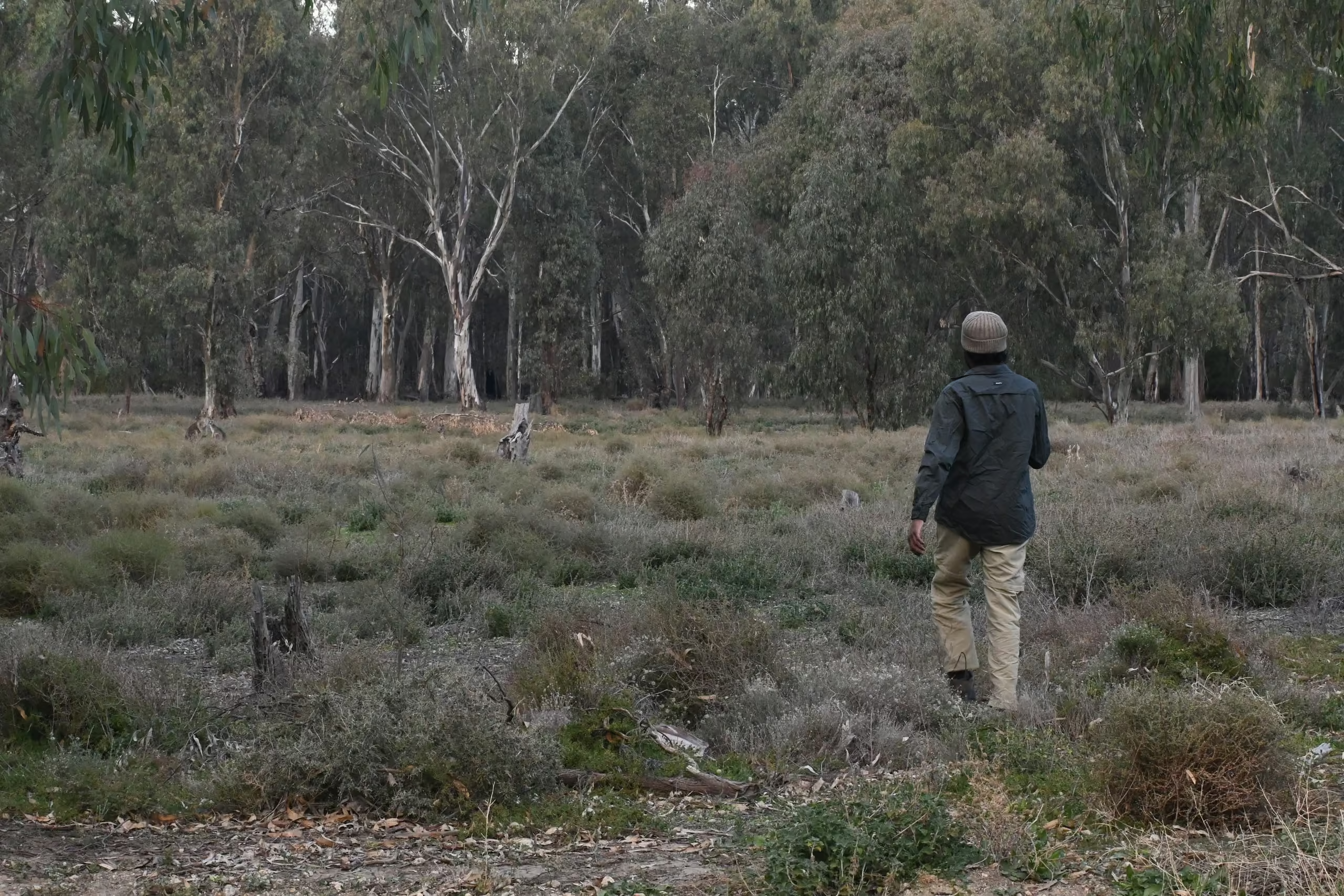
ESEA ecologist walking a survey transect through grassy woodland in regional NSW

Lighting impact assessments for signage and public domain works

Assessment of how night lighting from signage and public domain works could affect fauna using adjoining parks and habitat.
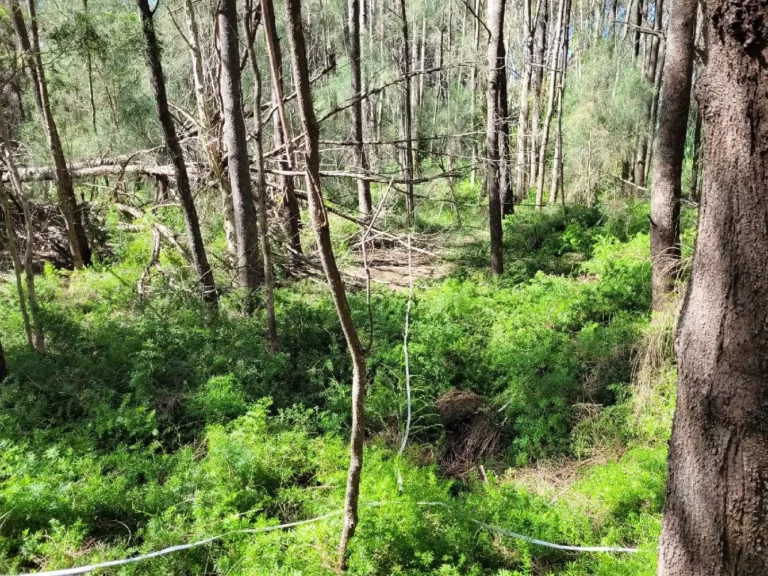
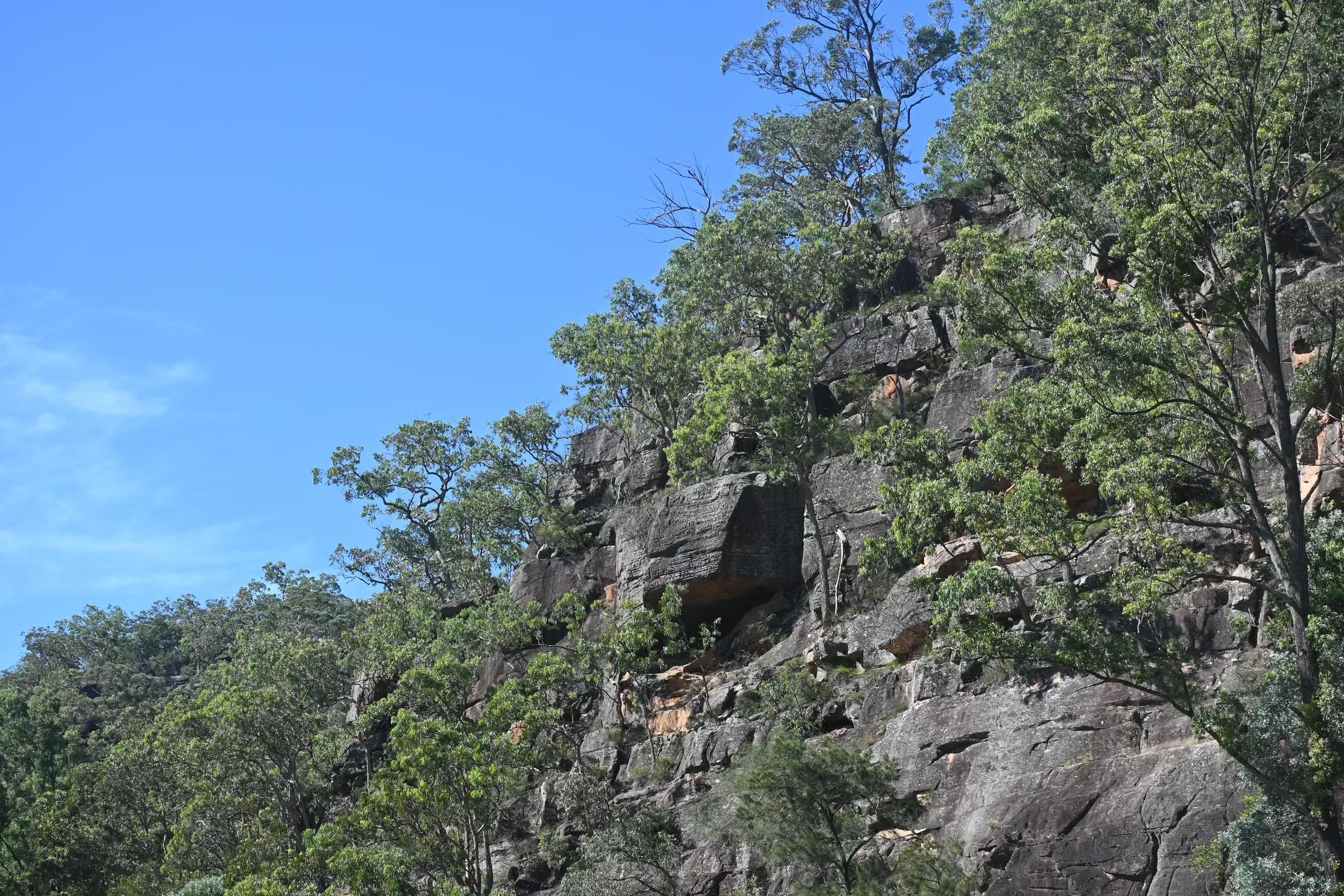
Regenerating bushland with fallen timber and dense understorey on a NSW survey site

Ecological input to public domain, infrastructure, and heritage projects

Ecological input to public domain, infrastructure, and heritage projects, from early design advice through to construction.
BEFORE YOU START

What we tell clients before they start in Sydney CBD and the City of Sydney

Ask what the ecological question actually is before commissioning a report. On most City sites it is one of tree retention, fauna occupying a building, habitat connectivity to a park, or the effect of lighting, and a focused assessment answers it. A broad biodiversity assessment is usually unnecessary.

Check the City's development controls for the exact site, because city-wide provisions sit alongside locality and site-specific requirements, and ecological advice has to be coordinated with tree, heritage, planning, and public domain requirements rather than treated as permission to proceed.

Because our office is in Pyrmont, we can usually be on an inner-city site quickly, and we engage early enough to identify the actual ecological question before the application is lodged. Each project is managed by a Senior Consultant from commencement through to completion, with Director-level review of every report, and we focus on practical compliance solutions, responsive communication, and clear timelines that keep the approval moving.


FAQ

Common questions about the City of Sydney

Sometimes. If the site adjoins a park, has mature trees with hollows, involves demolishing a building that could hold microbats, or introduces night lighting near habitat, council can require a focused ecological assessment. We tell you in a short desktop review whether one applies.

Yes. Fauna use buildings, street trees, and adjoining parks, and the assessment considers effects beyond the immediate development footprint. The Sydney Park Road signs are an example, a site with no vegetation at all still needed a Test of Significance because of what the lighting could affect within the adjacent parkland.

A focused flora and fauna assessment or Test of Significance generally starts from about $8,000 plus GST. A pre-demolition fauna inspection is typically $2,000 to $10,000 depending on the number of buildings and whether a night survey is needed.

The office is in Pyrmont, so a site visit anywhere in the City is usually arranged within days once the scope is agreed, and a desktop review can be back in two to five business days.

Other areas we serve

Environmental consultants across Western Sydney

Environmental consultants across Western Sydney

ESEA’s environmental consultants are Western Sydney specialists, with extensive experience delivering ecological assessments, environmental approvals, and specialist consulting services across all eight local government areas of the Western Parkland City.
View area
Environmental consultants in The Hills Shire

Environmental consultants in The Hills Shire

ESEA’s environmental consultants are Hills Shire specialists, with extensive experience delivering ecological assessments, environmental approvals, and specialist consulting services across The Hills Shire Council local government area.
View area
partner with us

Start with the site or project

Tell us about your site, project, or research programme, what you are looking to achieve, and the current stage of your project. We will review the available information, identify the likely environmental requirements, and prepare an itemised proposal, typically within two business days for straightforward enquiries.