Environmental consultants in Camden
One of Sydney's fastest-growing council areas, where certified growth-area land still carries habitat trees, dams, koalas, and waterway obligations.

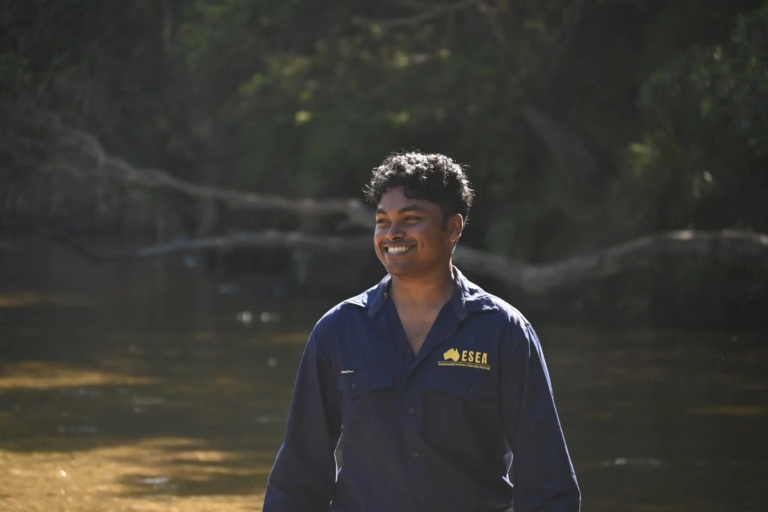
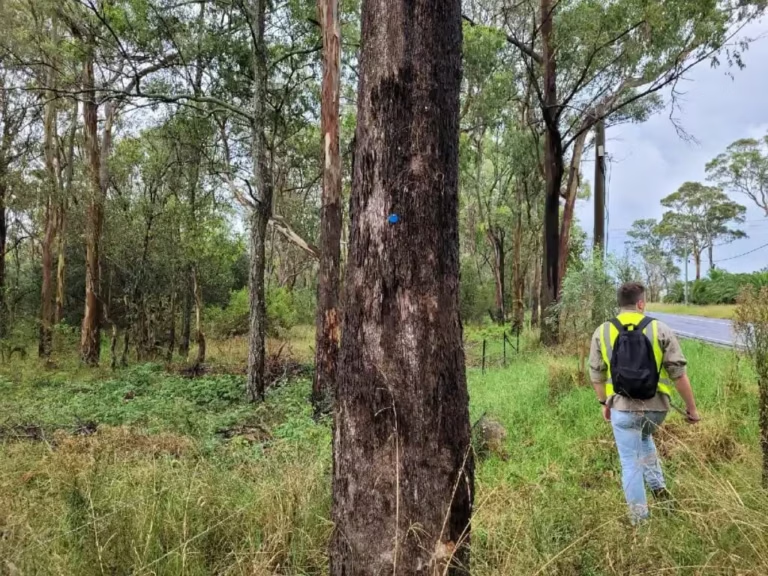
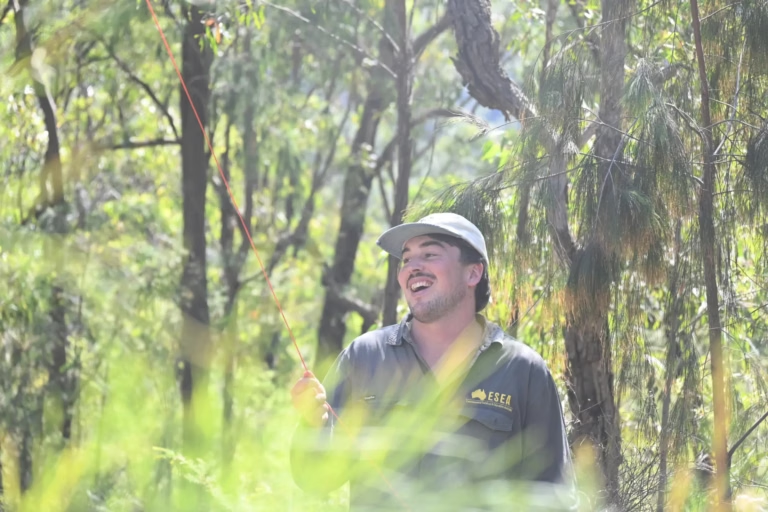
Camden sits inside the South West Growth Area, so most development land here has been rezoned under the Western Parkland City precincts SEPP and much of it carries Growth Centres biodiversity certification. Certification changes the statutory assessment pathway, but it does not remove the need to consider habitat trees, dams, drainage lines, threatened species, or ecological communities. ESEA has documented Camden experience in biodiversity assessment on certified land, weed and vegetation management plans for schools, controlled activity exemption advice for industrial land, fauna habitat surveys for council consent conditions, and supervised dam dewatering with fauna relocation.
Quick facts for Camden
Council
Population and area
About 135,000 residents (ABS ERP 2023), growing at over five per cent a year, across roughly 200 square kilometres
Tree controls
Camden DCP 2019 section 2.4 Trees and Vegetation; a protected tree is three metres or more in height, 100 millimetres diameter (300 millimetres circumference) at one metre, or a branch span of three metres or more; clearing above the BOS threshold or in an Area of Biodiversity Value goes to the Native Vegetation Panel
Planning instruments
Camden LEP and DCP 2019 outside the growth area; State Environmental Planning Policy (Precincts, Western Parkland City) 2021 and Growth Centre DCPs for rezoned precincts, which replace the ordinary controls
Threatened communities and species
Cumberland Plain Woodland, Shale Sandstone Transition Forest, Camden White Gum along the Nepean, the south-west Sydney koala population
Waterways
Nepean River and tributaries, South Creek catchment; Georges River Koala Reserve on the eastern side
Distance from ESEA
About 60 to 65 kilometres, roughly an hour, from Pyrmont to Camden or Oran Park
Council rules and assessment pathways in Camden
Camden DCP 2019 protects trees of three metres or more in height, 100 millimetres diameter at one metre, or a branch span of three metres or more, with applications lodged through the NSW Planning Portal. Where native vegetation clearing exceeds the Biodiversity Offsets Scheme threshold or the land is an Area of Biodiversity Value, approval comes from the Native Vegetation Panel rather than council.
The bigger question on most Camden sites is which planning regime applies. Rezoned South West Growth Area land, Turner Road, Catherine Field, Lowes Creek Maryland, Oran Park, and the Camden side of Leppington North is governed by the Western Parkland City precincts SEPP and the Growth Centre DCPs, which replace the ordinary Camden controls, and much of it carries legacy Growth Centres biodiversity certification. That certification covers particular land and particular activities, so it has to be checked against the actual lot and works before anyone decides whether a BDAR is needed.
Vegetation, species and waterways
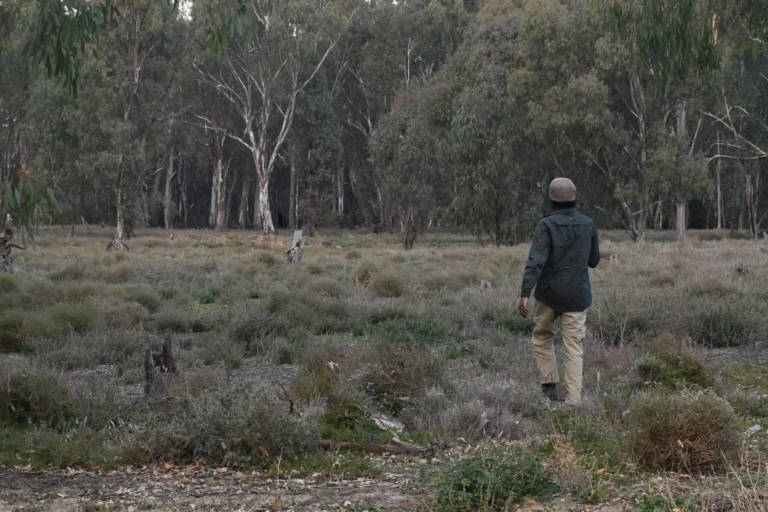
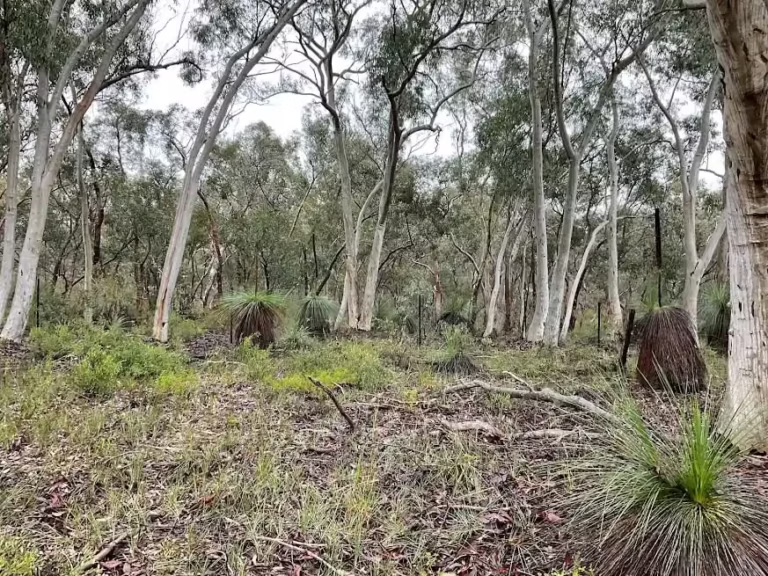
Cumberland Plain Woodland and Shale Sandstone Transition Forest are the threatened ecological communities that present a constraint on most sites. Scattered paddock trees with hollows, old farm dams full of eels and turtles, and drainage lines are the everyday constraints on growth-area lots.
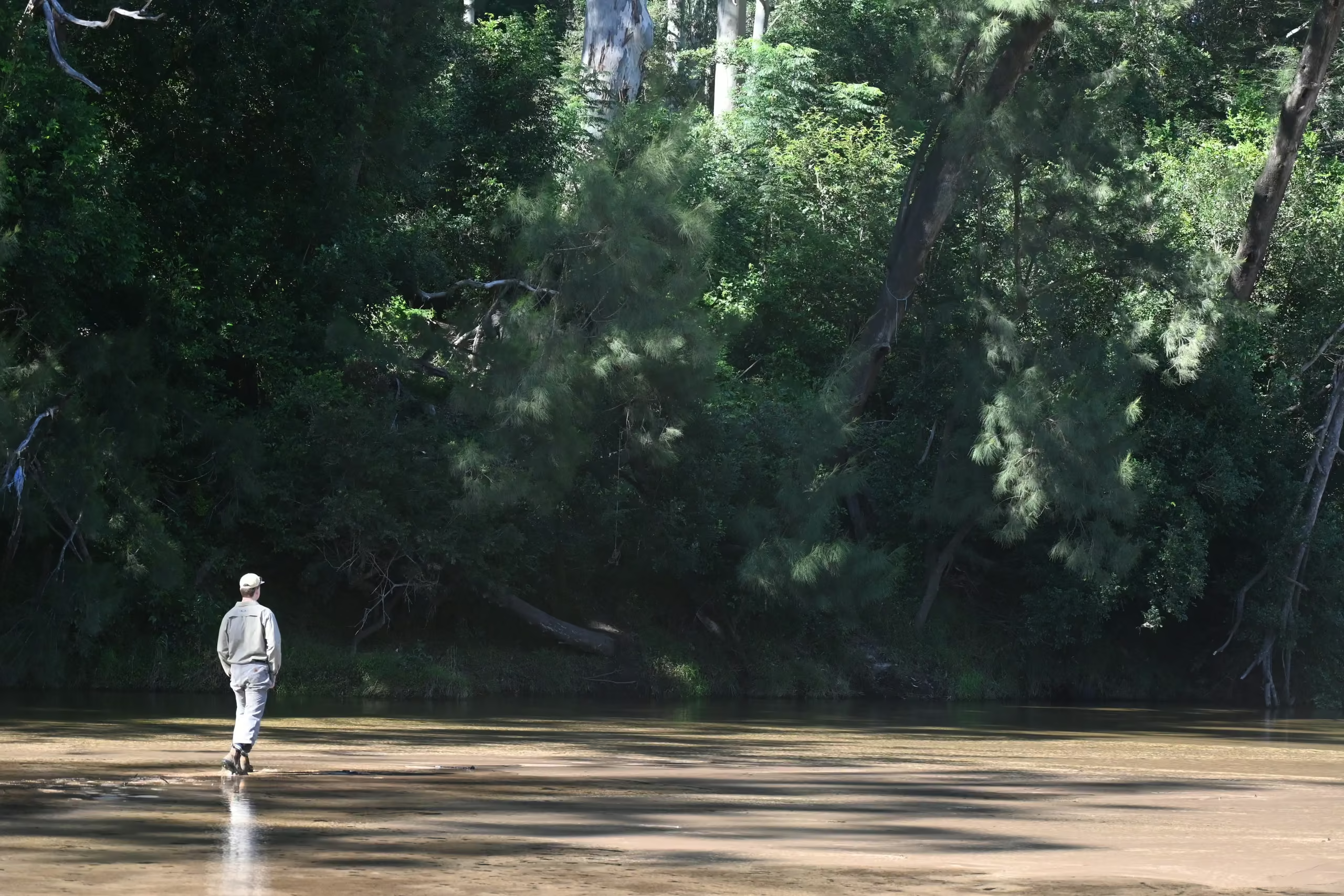
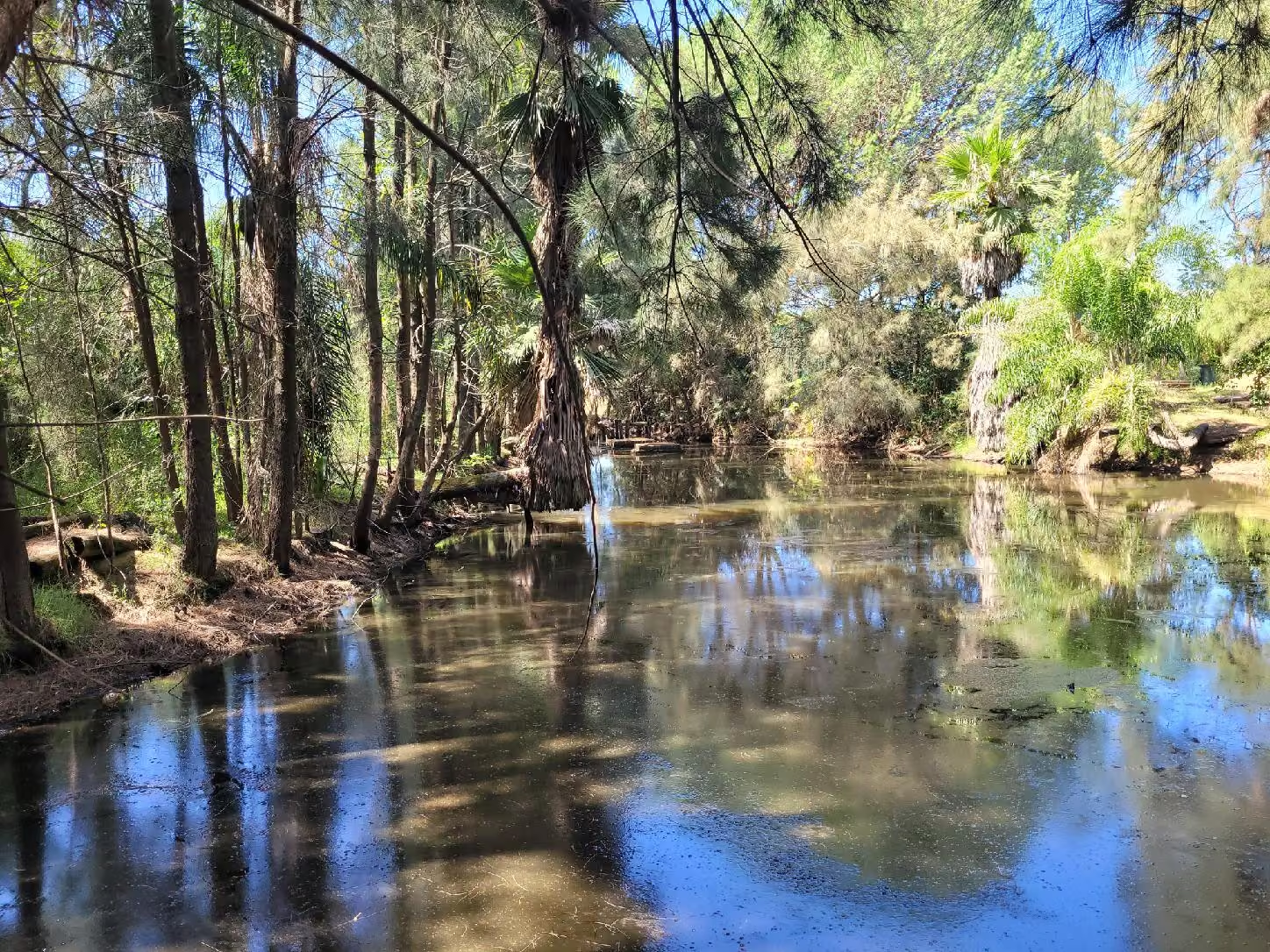
The Nepean, its tributaries, and the South Creek headwaters bring waterfront land into most precincts, and farm dams are common enough that supervised dewatering with fauna relocation is a routine service.
ESEA's work in Camden
At The Northern Road, Bringelly, ESEA's biodiversity assessment for an approximately 130 lot subdivision worked within a Growth Centres certified context while still examining the native vegetation, hollow-bearing trees, the dam, and drainage features relevant to the project, and translated them into management measures.
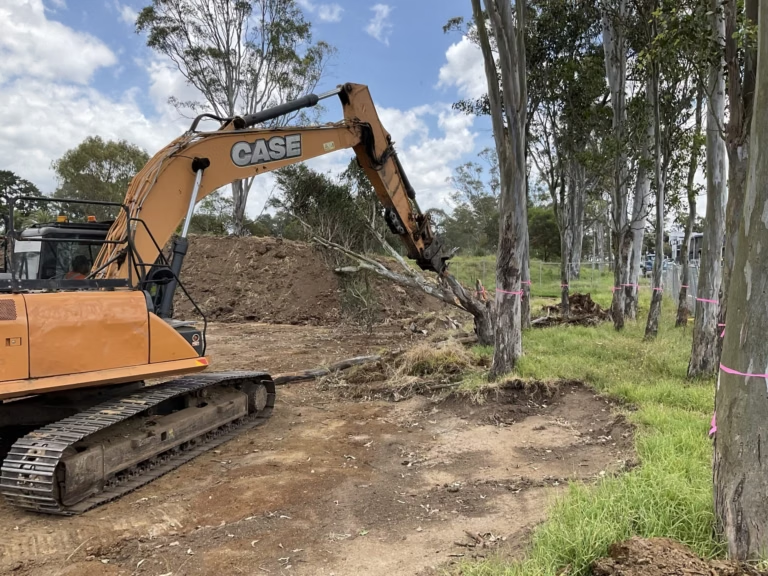
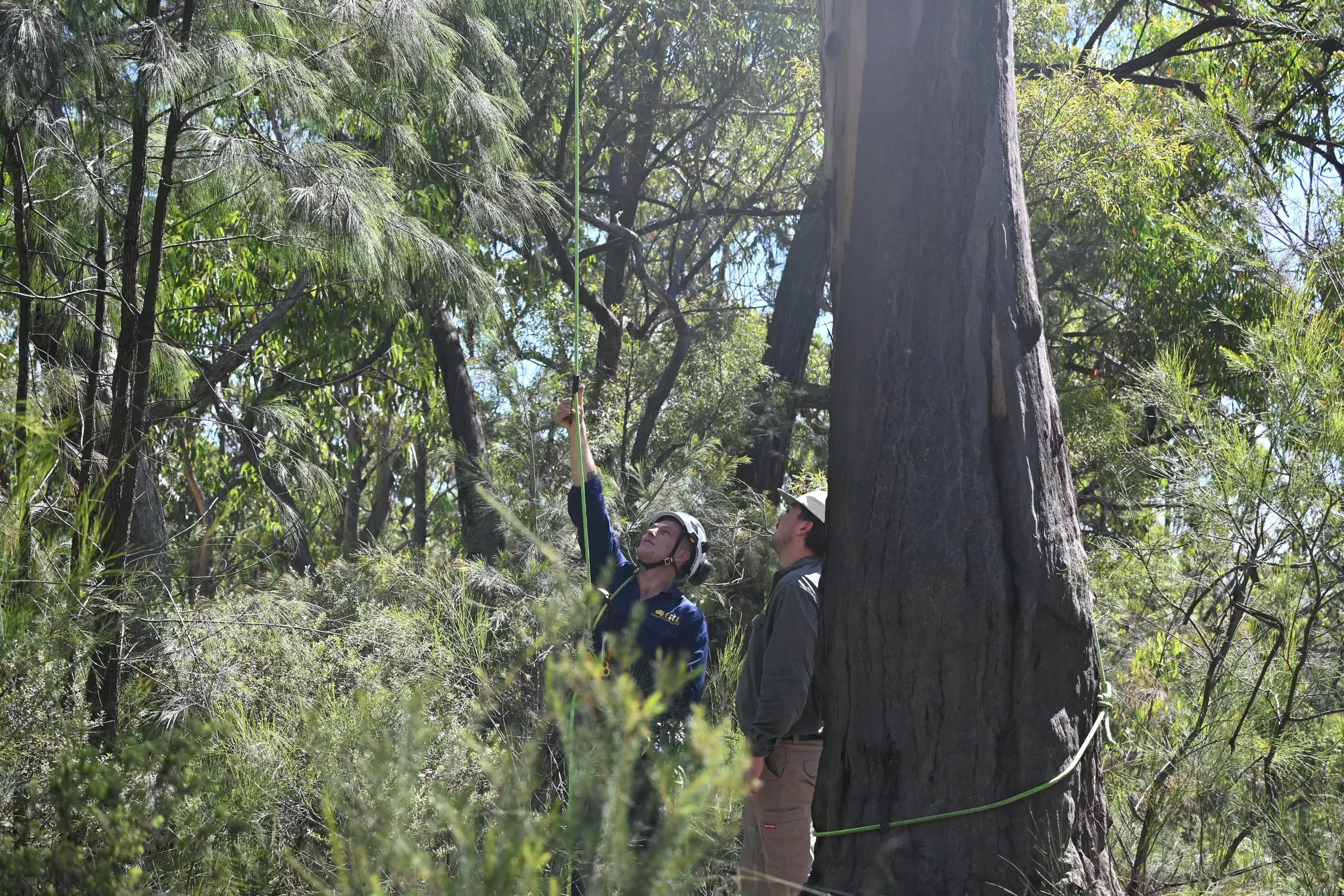
At Bringelly Road, Leppington, ESEA surveyed 27 trees for fauna habitat in response to a Camden Council consent condition, a construction-stage example of checking trees before an approved development proceeds.
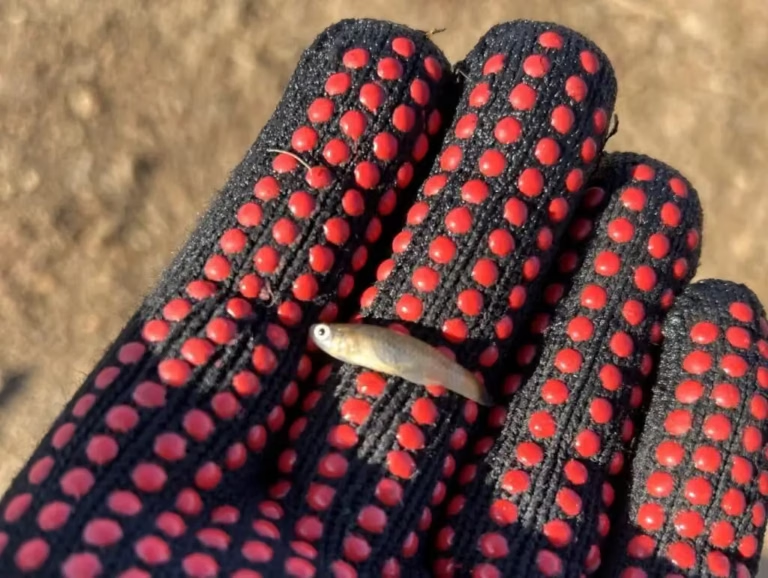
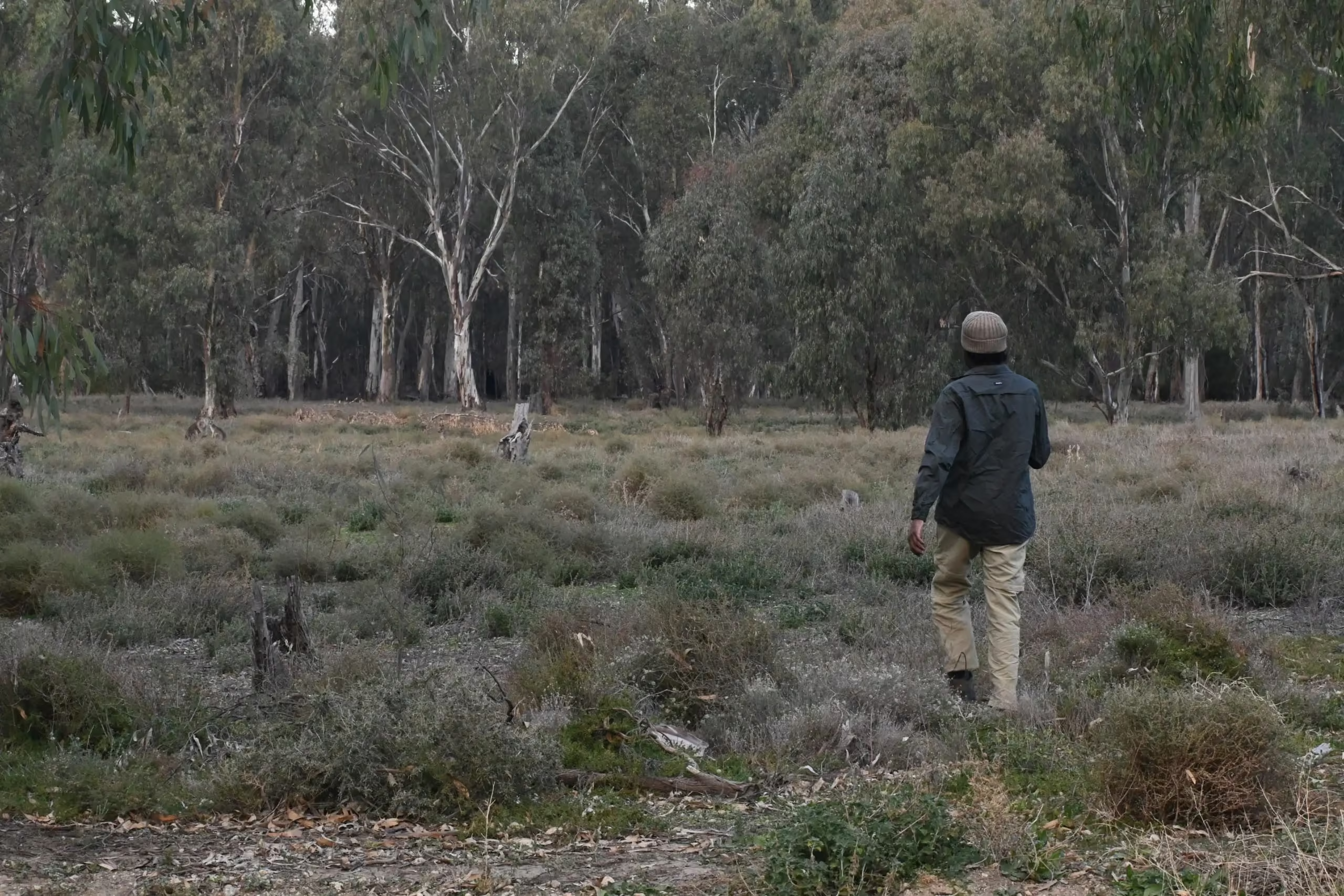
At Park Road, Leppington, ESEA supervised a staged dam dewatering and relocated 18 Speckled Longfin Eels and one Flathead Gudgeon by net to the retained waterbody.
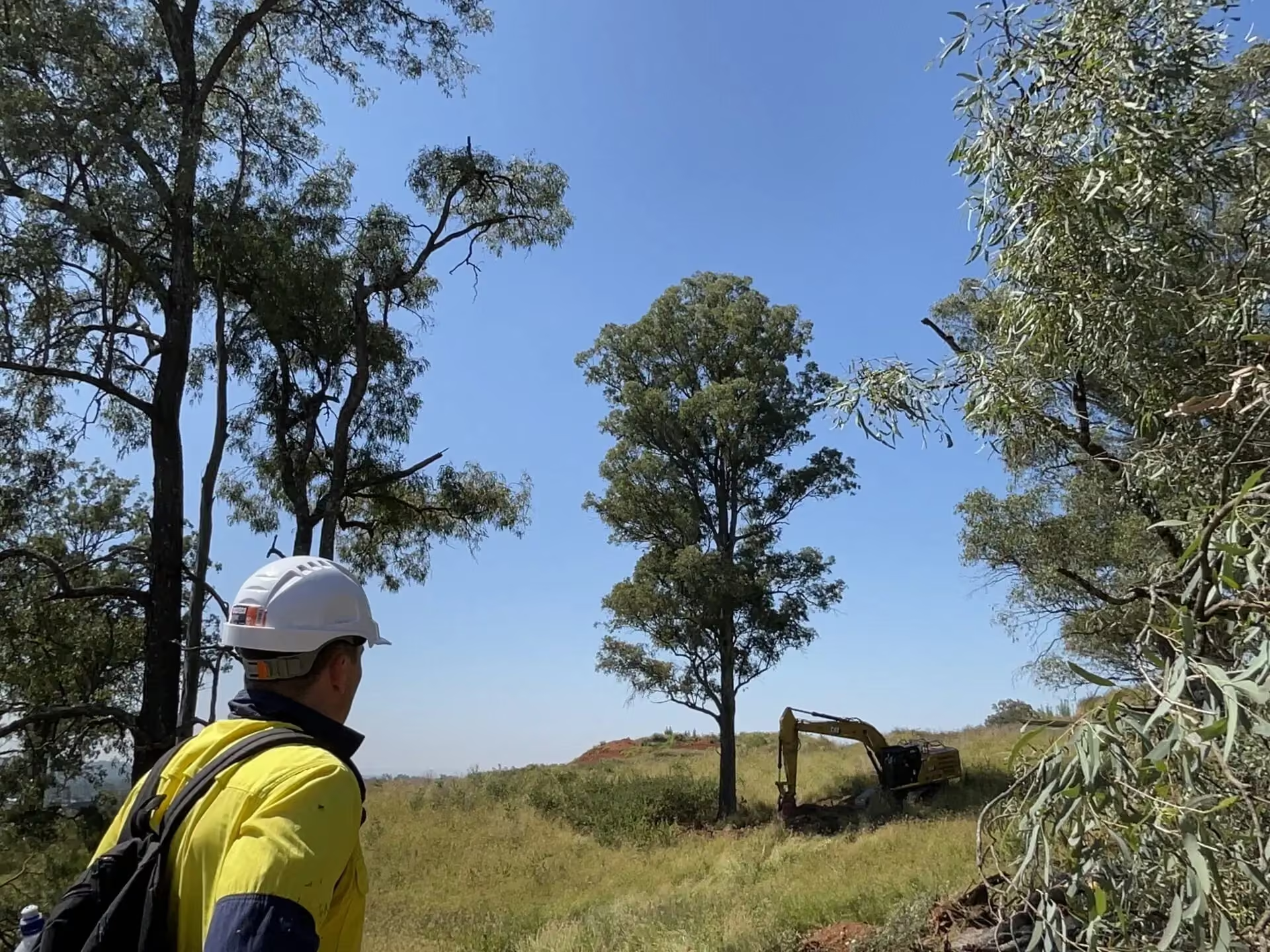
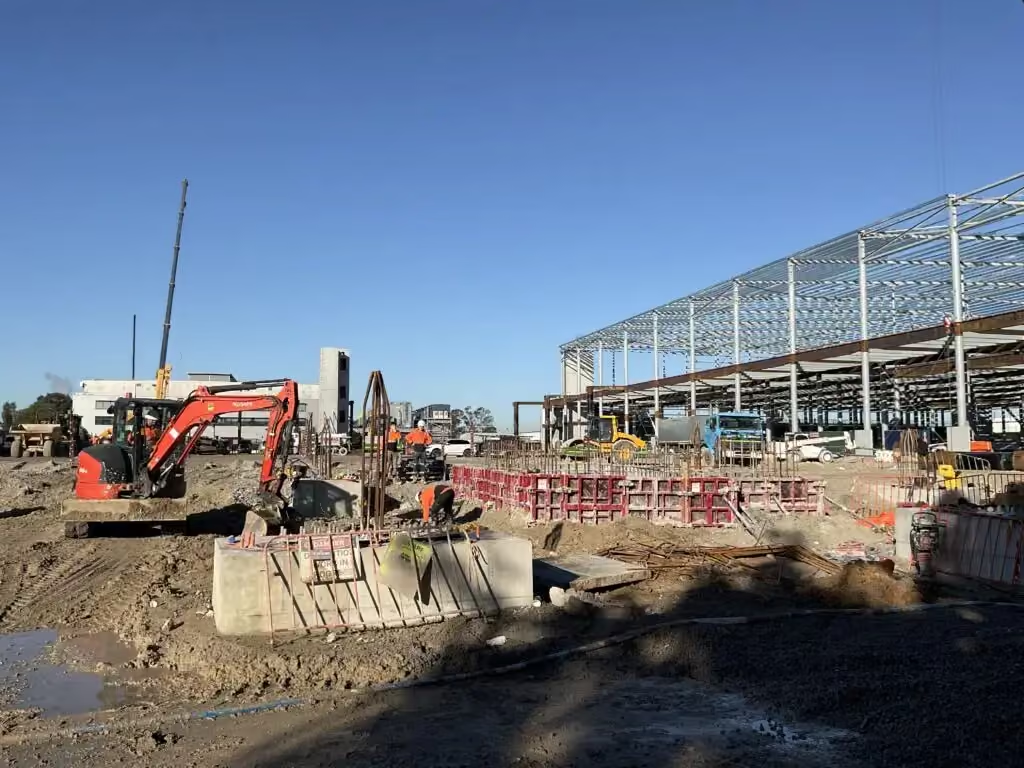
At Smeaton Grange, ESEA's controlled activity exemption advice secured departmental concurrence that a separate approval was not required for an industrial development as designed, an outcome specific to that site.
For schools at Gledswood Hills and Cobbitty, ESEA has prepared a weed management plan and a vegetation management plan, and provided project ecologist support.


Aquatic assessment and supervision of a staged dam dewatering at a Leppington construction site, with 18 Speckled Longfin Eels and a Flathead Gudgeon relocated to a retained waterbody.

Controlled activity exemption advice for an industrial development at Smeaton Grange that secured departmental concurrence that a separate approval was not required for the works as designed.
Places we work near
The Northern Road through Bringelly, Bringelly Road and Camden Valley Way at Leppington, Gregory Hills Drive, Cobbitty on the Nepean, Oran Park, Smeaton Grange industrial estate, and the Nepean River through Camden and Elderslie, with the Georges River Koala Reserve to the east.
Services most requested in Camden

Preliminary and full biodiversity assessments on certified and uncertified land

Fauna habitat surveys for consent conditions

Dam dewatering supervision and fauna relocation

Controlled Activity Approvals and exemption advice

Vegetation and weed management plans, including for schools

Pre-clearing surveys and clearing supervision
What we tell clients before they start in Camden
Determine whether certification covers the proposed works and which site-specific safeguards still apply. Certified land in Camden is not ecology-free land; it is land where the statutory reporting requirements change but the habitat inspection, the dam dewatering plan, and the clearing supervision do not.
We engage at the start of a Camden project, before the consent conditions and the clearing programme are fixed, so the habitat inspections, dewatering, and supervision are planned around the construction schedule rather than holding it up. Each project is managed by a Senior Consultant from commencement through to completion, with Director-level review of every report, and we keep to clear timelines and respond quickly when works are waiting on an ecologist.
Common questions about Camden
Because certification changes the assessment pathway, but not the requirement for ecological consideration. Consent conditions on certified growth-area land routinely require habitat tree inspection, pre-clearing surveys, supervised dam dewatering, and vegetation management.
If council's consent says so, yes, and on most Camden approvals it does.
ESEA's ecological services for a dewatering generally start from about $2,000 plus GST, with the drawdown programme, the fauna present, and the number of attendances setting the final figure. The Fisheries agency needs seven days' notice and a relocation permit may be required, so raise the programme with us one to two weeks ahead of works commencing.
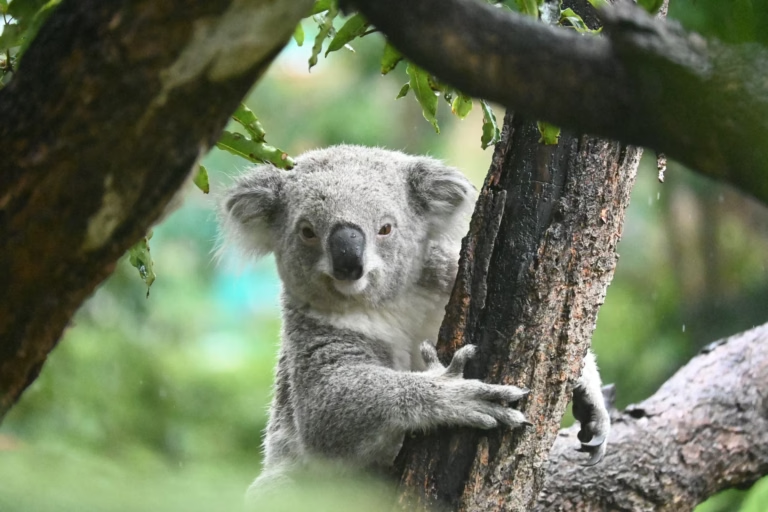
Possibly, and the south-west Sydney population is one of the most important in the state. Koala habitat assessment is part of any biodiversity assessment here, and a koala found during works stops the works until it moves on.
Other areas we serve
Start with the site or project
Tell us about your site, project, or research programme, what you are looking to achieve, and the current stage of your project. We will review the available information, identify the likely environmental requirements, and prepare an itemised proposal, typically within two business days for straightforward enquiries.