AREAS WE SERVE

Environmental consultants in Blacktown

Blacktown, the largest council in Sydney, is where certified land, Cumberland Plain Woodland, and growth-area masterplanning meet.

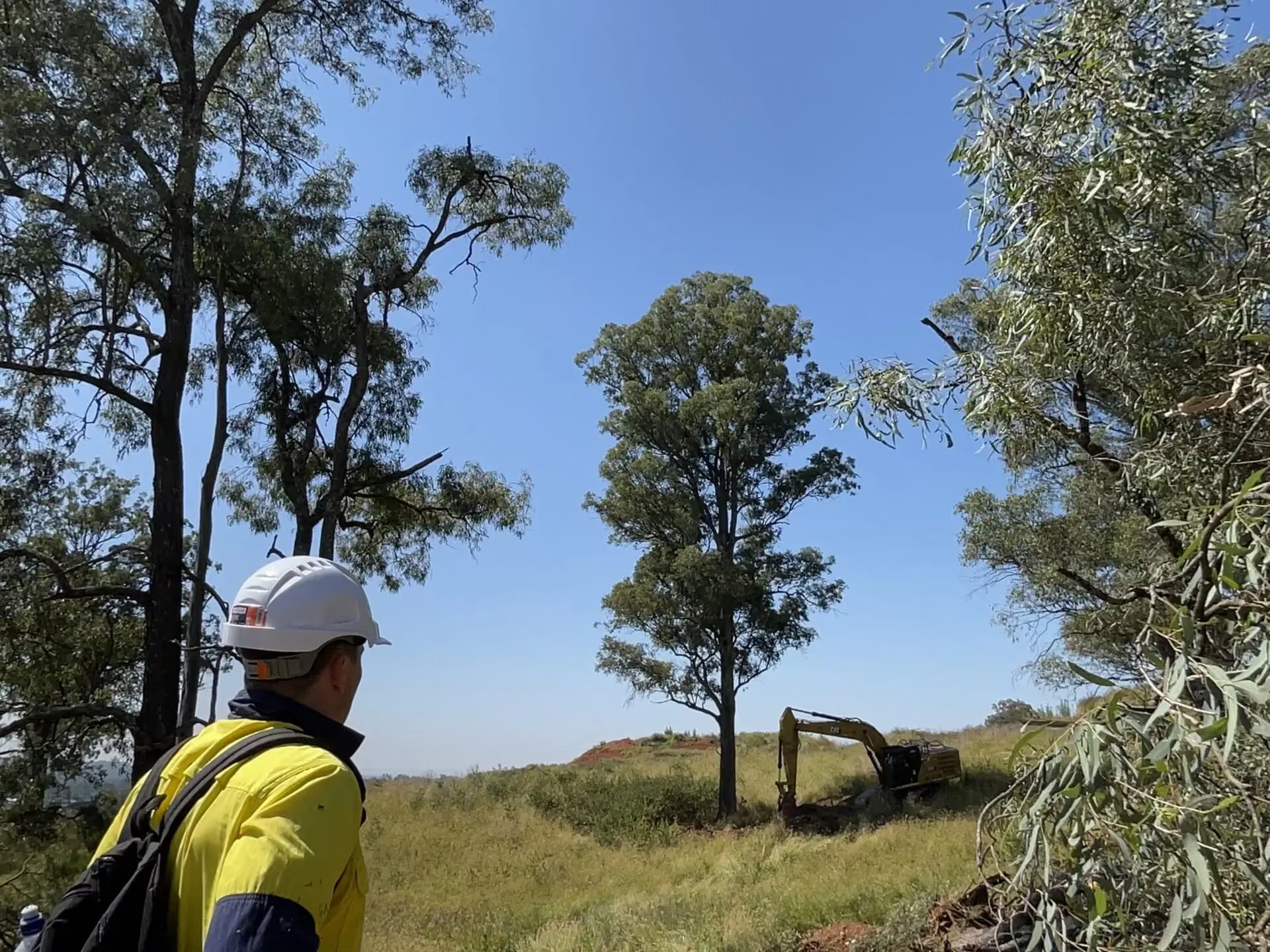
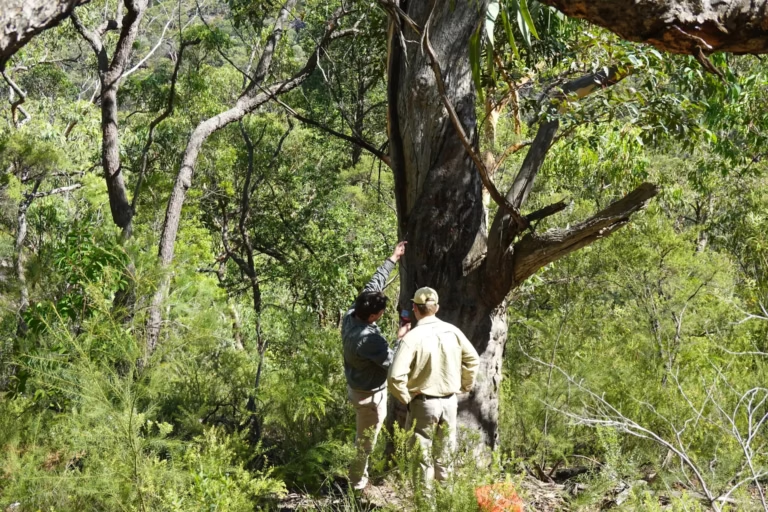
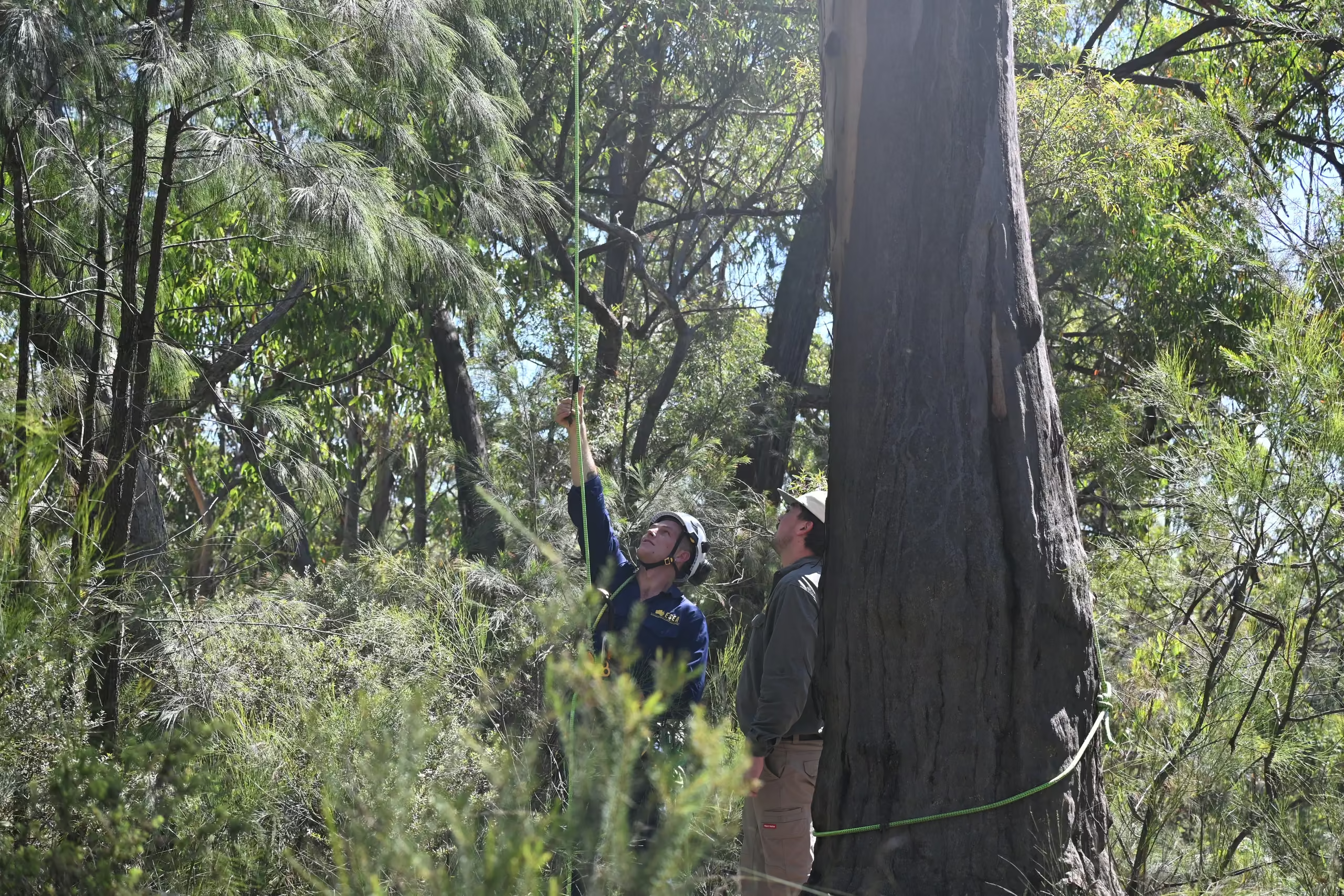
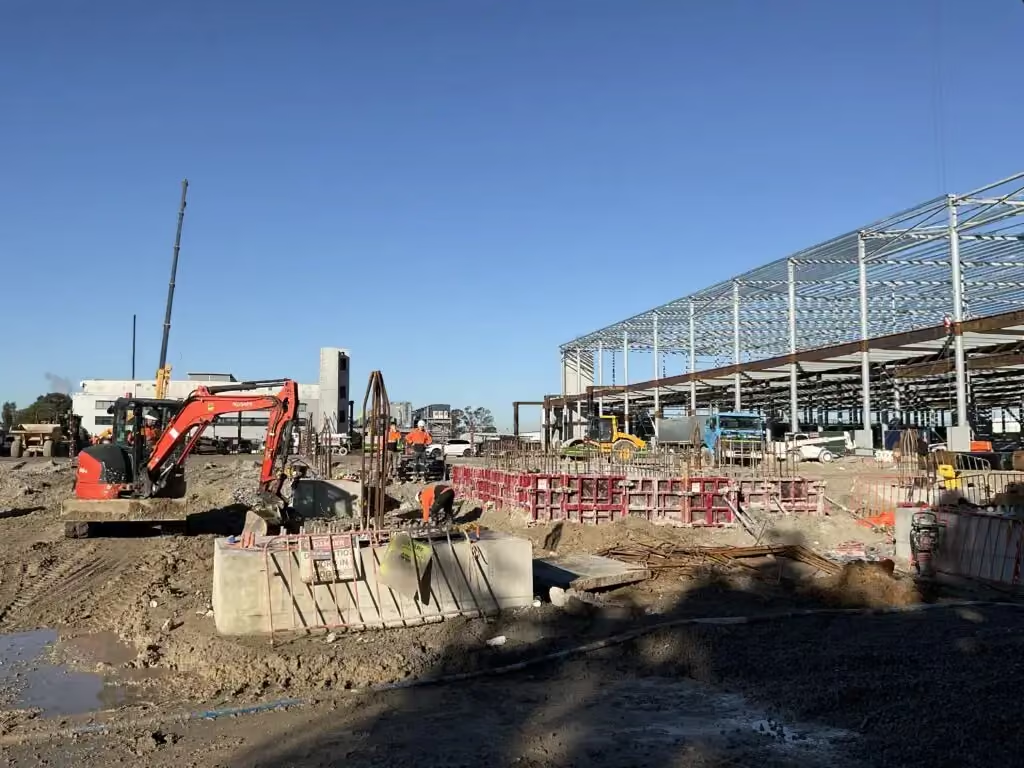
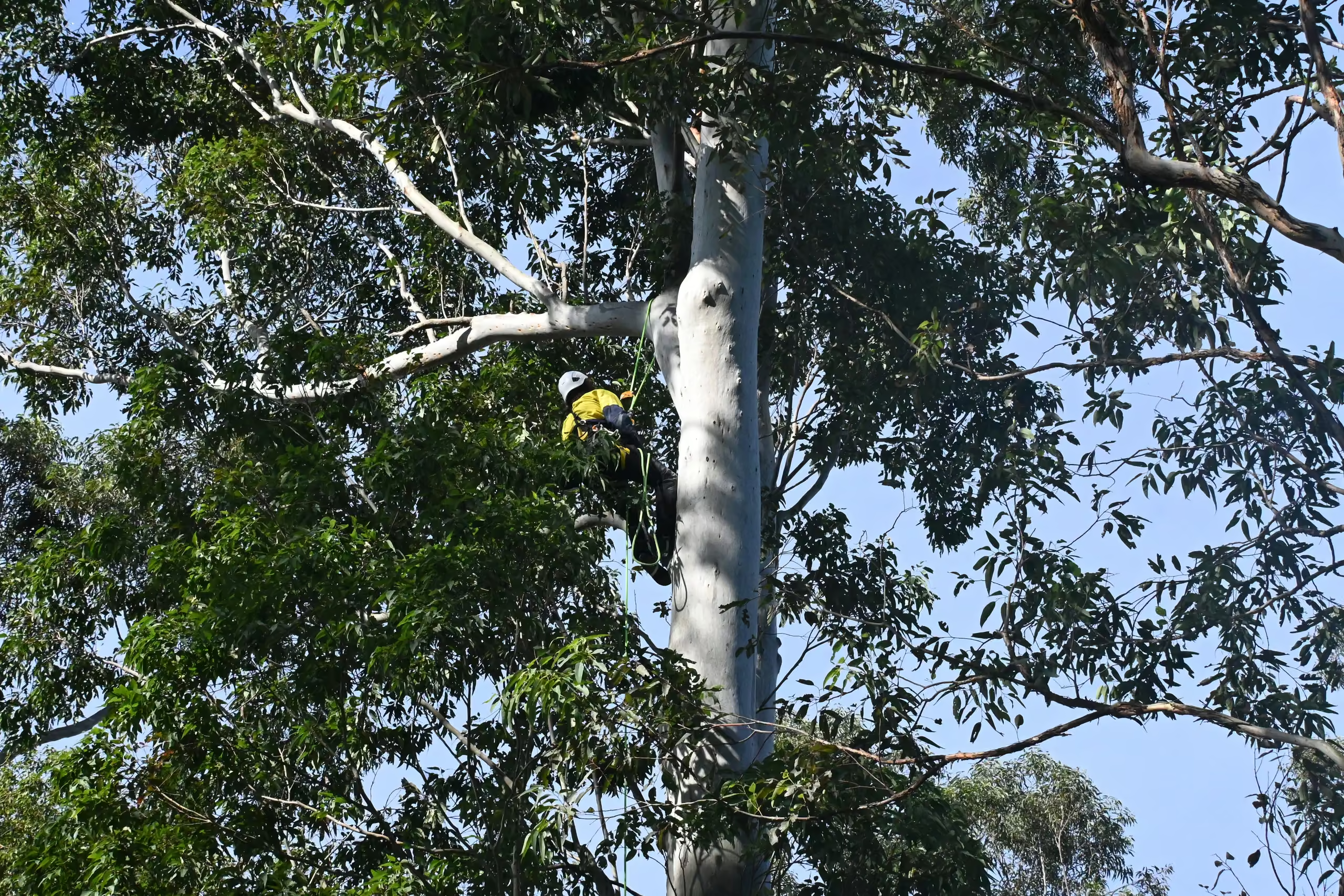
ESEA project ecologist in hi-vis watching an excavator work beside retained trees in NSWTwo ESEA ecologists looking up at a hollow-bearing eucalypt during a habitat tree survey in Sydney bushland

Blacktown is Sydney's most populous council area and most of its remaining development land sits in the North West Growth Area, where the first ecological question is which instrument covers the lot: the Blacktown LEP and DCP 2015, a growth-area precinct plan, legacy Growth Centres biodiversity certification, or the Cumberland Plain Conservation Plan. ESEA has documented experience across Blacktown in biodiversity assessment, due diligence, Reviews of Environmental Factors for stormwater and sewer works, vegetation and biodiversity management plans, pre-clearing surveys, clearing supervision, and nest box certification, including its work on the roughly 400 hectare Richards Precinct at Riverstone West and an approximately 200 lot subdivision at Schofields.

QUICK FACTS

Quick facts for Blacktown

02

Population and area

About 439,000 residents (ABS ERP 2024), the largest of any council in Sydney, across roughly 247 square kilometres

03

Tree controls

Tree Preservation Clause and Register of Significant Trees and Vegetation; a tree is a plant over three metres tall or 200 millimetres trunk diameter at one metre; heritage, conservation-area, and register-listed properties need a DA rather than a permit

04

Planning instruments

Blacktown LEP 2015 and DCP 2015 outside the growth area; Growth Centre Precincts DCP and precinct plans inside it; legacy Growth Centres certification and the Cumberland Plain Conservation Plan apply to parts of the LGA

05

Threatened communities

Cumberland Plain Woodland (Scheyville National Park and Nurragingy Reserve hold the largest remnants), Castlereagh Scribbly Gum Woodland, Shale Sandstone Transition Forest

06

Waterways

Eastern Creek, Ropes Creek, Breakfast Creek, Bells Creek, Second Ponds Creek

07

Distance from ESEA

About 40 kilometres, roughly 45 minutes, from Pyrmont

COUNCIL RULES

Council rules and assessment pathways in Blacktown

Blacktown City Council protects trees through a tree preservation clause and a Register of Significant Trees and Vegetation established in 1985, defining a tree as a self-supporting plant over three metres in height or 200 millimetres trunk diameter measured one metre above ground. Permits cannot be issued for heritage-listed properties, heritage conservation areas, biodiversity conservation areas, or register-listed properties, which need a development application. Council publishes native vegetation management guidance and its own vegetation management plan template, and expects plans to follow it.

Inside the North West Growth Area, the Blacktown DCP 2015 gives way to the Growth Centre Precincts DCP and each precinct's own plan, and biodiversity certification is a separate question again. Legacy Growth Centres certification and the Cumberland Plain Conservation Plan are different instruments with different boundaries and conditions, and neither is a blanket exemption for every lot or every activity, especially external infrastructure.

ESEA ecologist crouching in grassy woodland during a targeted flora survey in NSW
LOCAL ECOLOGY

Vegetation, species and waterways

Cumberland Plain Woodland is a constraint on most Blacktown sites, alongside Castlereagh Scribbly Gum Woodland on the sands toward Marsden Park and Shale Sandstone Transition Forest on the ridges. Cumberland Plain Land Snail, Green and Golden Bell Frog, and declining woodland birds are the species that most often need targeted survey, and scattered paddock trees with hollows drive the replacement habitat obligations.

DEVELOPMENT CONTEXT

Where the work is

The North West Growth Area precincts in Blacktown, Marsden Park, Marsden Park Industrial, Riverstone, Riverstone East and West, Schofields, Colebee, Alex Avenue, Vineyard, West Schofields, and Shanes Park, generate most of the residential and industrial work. Infill and industrial redevelopment around Blacktown itself, and the Blacktown portion of Rouse Hill, add to it.

ESEA's work in Blacktown

At the Richards Precinct, Riverstone West, ESEA is the continuing project ecologist for an approximately 400 hectare development site containing Cumberland Plain Woodland, the Eastern Creek riparian corridor, certified and non-certified land, Biodiversity Values Map areas, a rail corridor, and heritage buildings. The work spans vegetation assessment and mapping, a riparian vegetation roughness memorandum, fauna habitat assessment, arboricultural impact assessment, pre-clearing surveys, clearing supervision, dam dewatering support, and a hollow replacement strategy addressing more than 179 hollows at a three for one replacement requirement.

At Advance Street, Schofields, ESEA prepared the biodiversity reports for an approximately 200 lot subdivision affected by Cumberland Plain Woodland, certified and non-certified land, Biodiversity Values mapping, and a council regional detention basin under the DCP masterplan. ESEA supported the development through Land and Environment Court proceedings without conceding subdivision yield, prepared the vegetation management plan, and installed nest boxes to compensate for the vegetation removed. A Review of Environmental Factors for the Advance Street sewer lead-in and management documentation for a stormwater basin at Schofields sit alongside it.

Other Blacktown work includes an environmental due diligence assessment for an industrial site on Bessemer Street, Blacktown; a biodiversity assessment for a residential proposal on Garfield Road East at Rouse Hill; and a clearing supervision fauna event at Marsden Park where five Squirrel Gliders found in a hollow during clearing received veterinary assessment before relocation.


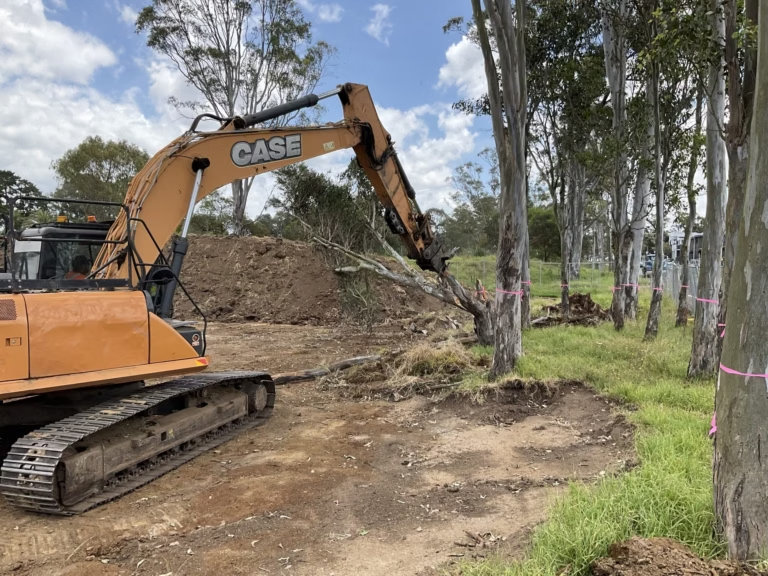
ESEA project ecologist in hi-vis watching an excavator work beside retained trees in NSW
Riverstone West
Project ecologist
Hollow replacement

Ecological assessment, management planning and construction-phase support across an approximately 400 hectare development site in Blacktown, carried as one continuing project ecologist commission.

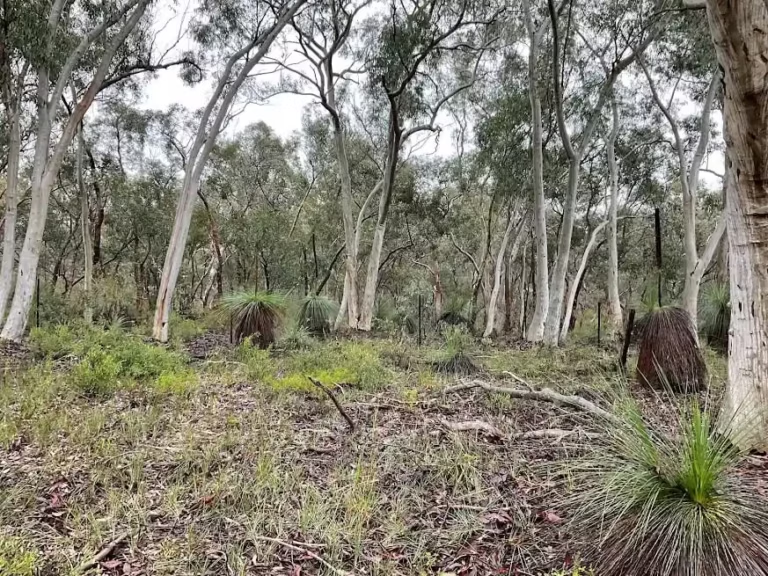
Grassy eucalypt woodland with grass trees on a NSW biodiversity survey site
Schofields
BDAR
Nest boxes

Biodiversity assessments, a Vegetation Management Plan and nest box compensation works for an approximately 200 lot subdivision, successfully defended in the Land and Environment Court without a reduction in yield.

Two ESEA ecologists looking up at a hollow-bearing eucalypt during a habitat tree survey in Sydney bushland
Marsden Park
Clearing certification
Fauna relocation

During supervised clearing at Marsden Park, five Squirrel Gliders found in a hollow received veterinary assessment before relocation, and the clearing certification letter recorded the event.

Places we work near

Schofields, Riverstone West and the Richards Precinct, Marsden Park and Marsden Park Industrial, the Eastern Creek corridor, Scheyville National Park and Nurragingy Reserve, and the Blacktown side of Rouse Hill along Garfield Road East.

Services most requested in Blacktown

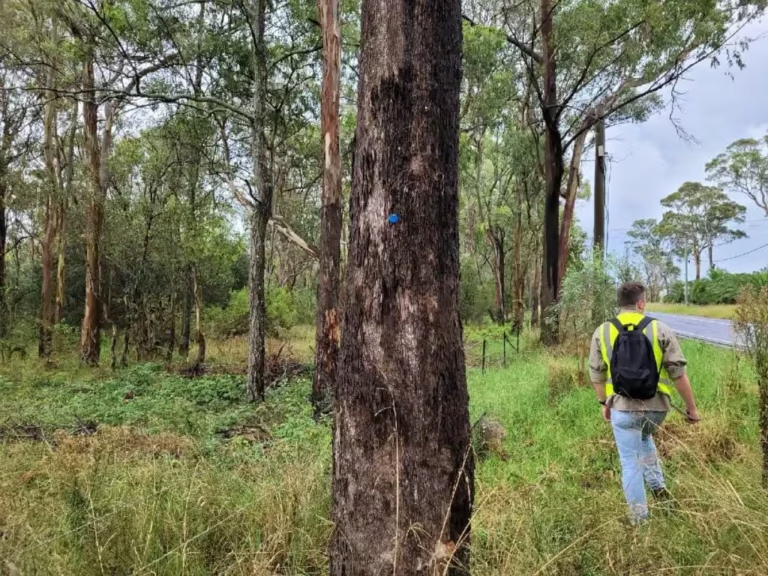
ESEA consultant in hi-vis inspecting tagged trees along a road reserve during an arboricultural impact assessment in NSW

Biodiversity development assessment reports and certified-land advice

Statutory biodiversity assessment for development in NSW, from a preliminary constraints check to a full BDAR under the Biodiversity Assessment Method.
Grassy eucalypt woodland with grass trees on a NSW biodiversity survey site

Vegetation and biodiversity management plans to council's template

Practical, council-ready plans for protecting, restoring, and monitoring retained vegetation and rehabilitation areas.
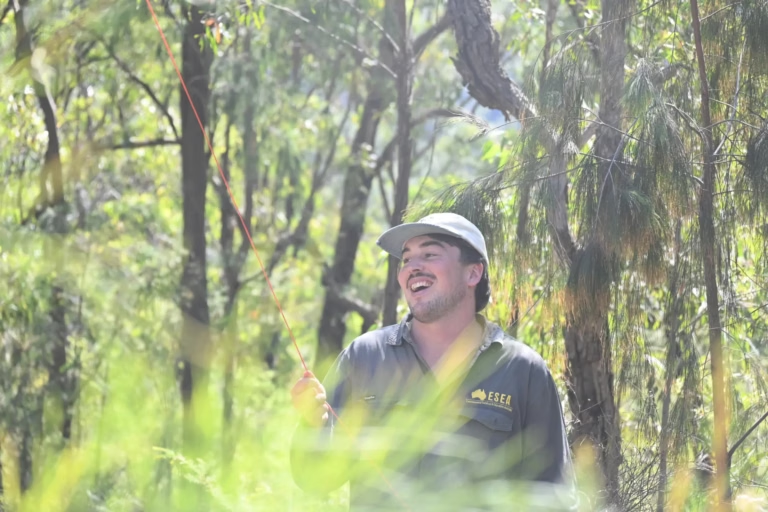
Smiling ESEA ecologist in a cap standing in eucalypt bushland during a flora and fauna survey in NSW

Reviews of Environmental Factors for stormwater, sewer, and water works

Statutory biodiversity assessment for development in NSW, from a preliminary constraints check to a full BDAR under the Biodiversity Assessment Method.
Excavator clearing vegetation beside flagged retained trees under ESEA ecologist supervision in Sydney

Pre-clearing surveys, clearing supervision, and certification

Pre-clearing surveys, fauna spotter-catcher attendance, and post-clearing certification.
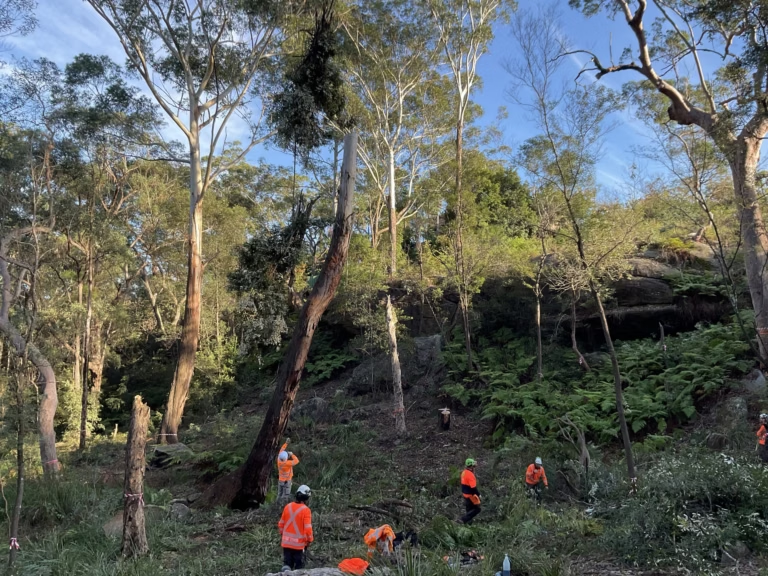
Tree crew in orange hi-vis working in bushland under ESEA vegetation clearing supervision in NSW

Nest box and hollow replacement strategies and installation

Salvaged hollows, artificial habitat, and nest boxes to replace habitat lost to clearing.
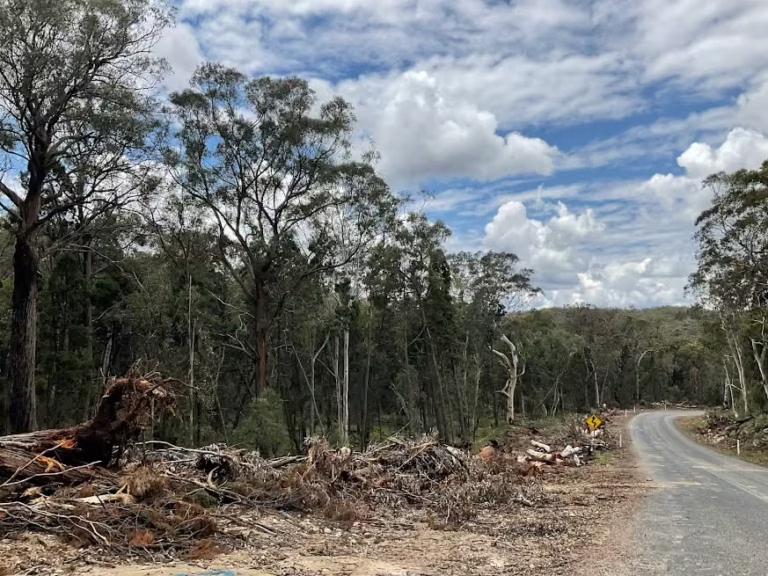
Cleared vegetation stockpiled beside a bushland road on a site mapped by ESEA drone survey in NSW

Arboricultural impact assessments

Tree survey, retention value, Tree Protection Zones, and Structural Root Zones to AS 4970:2025, in your council's required format.
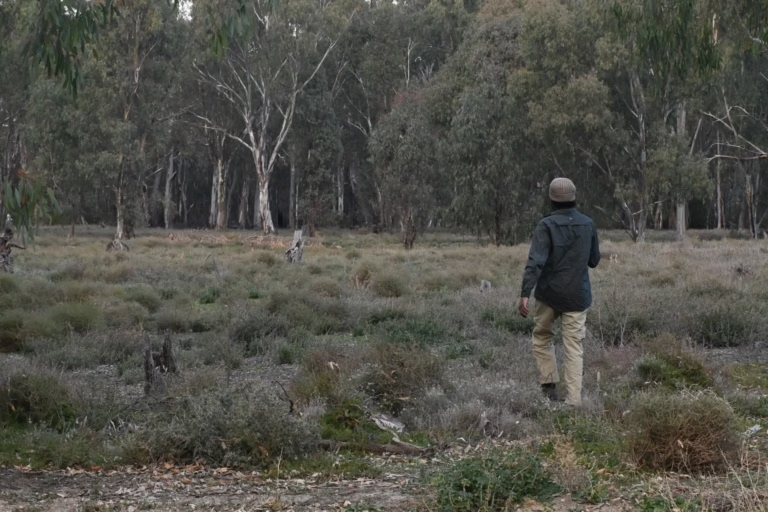
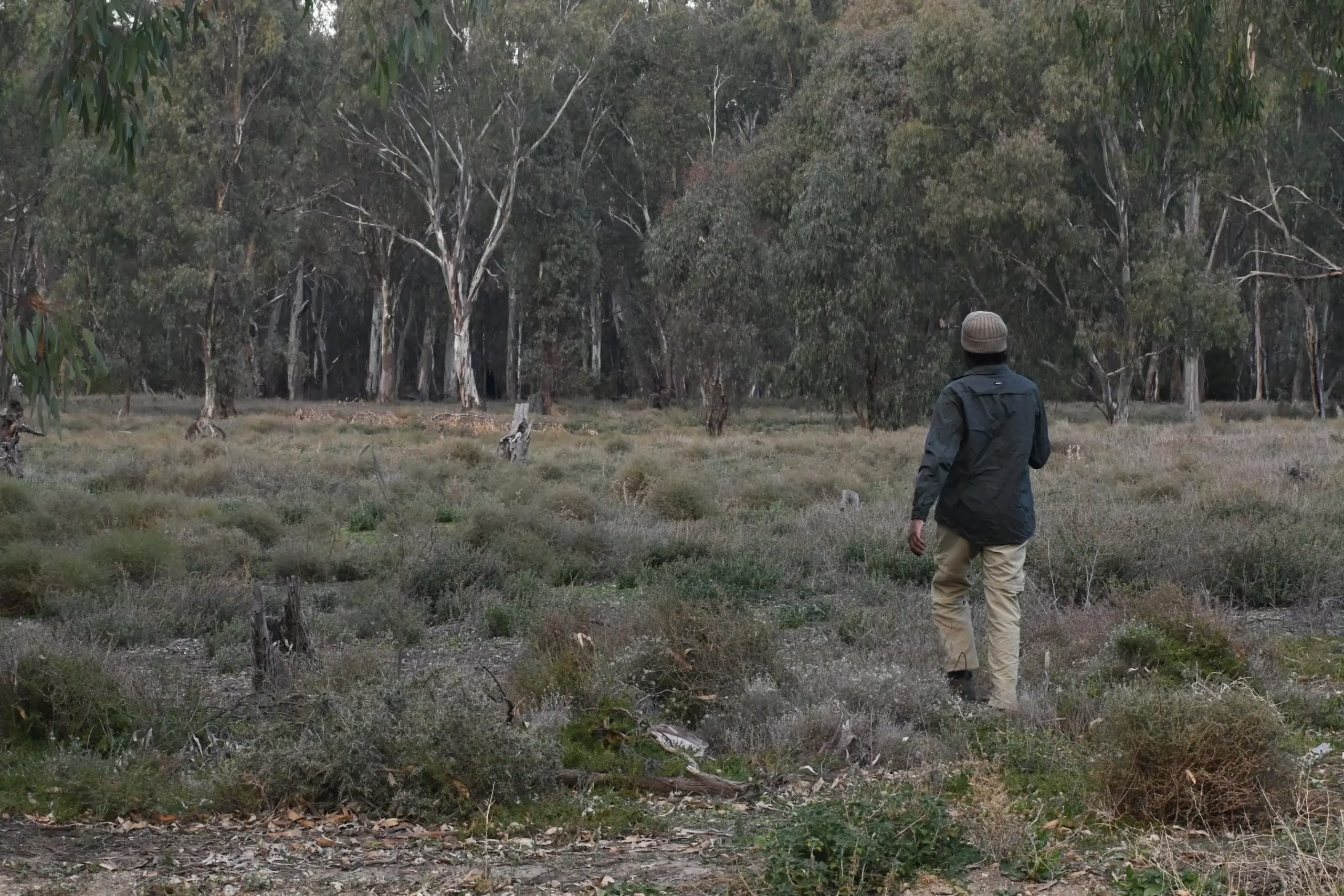
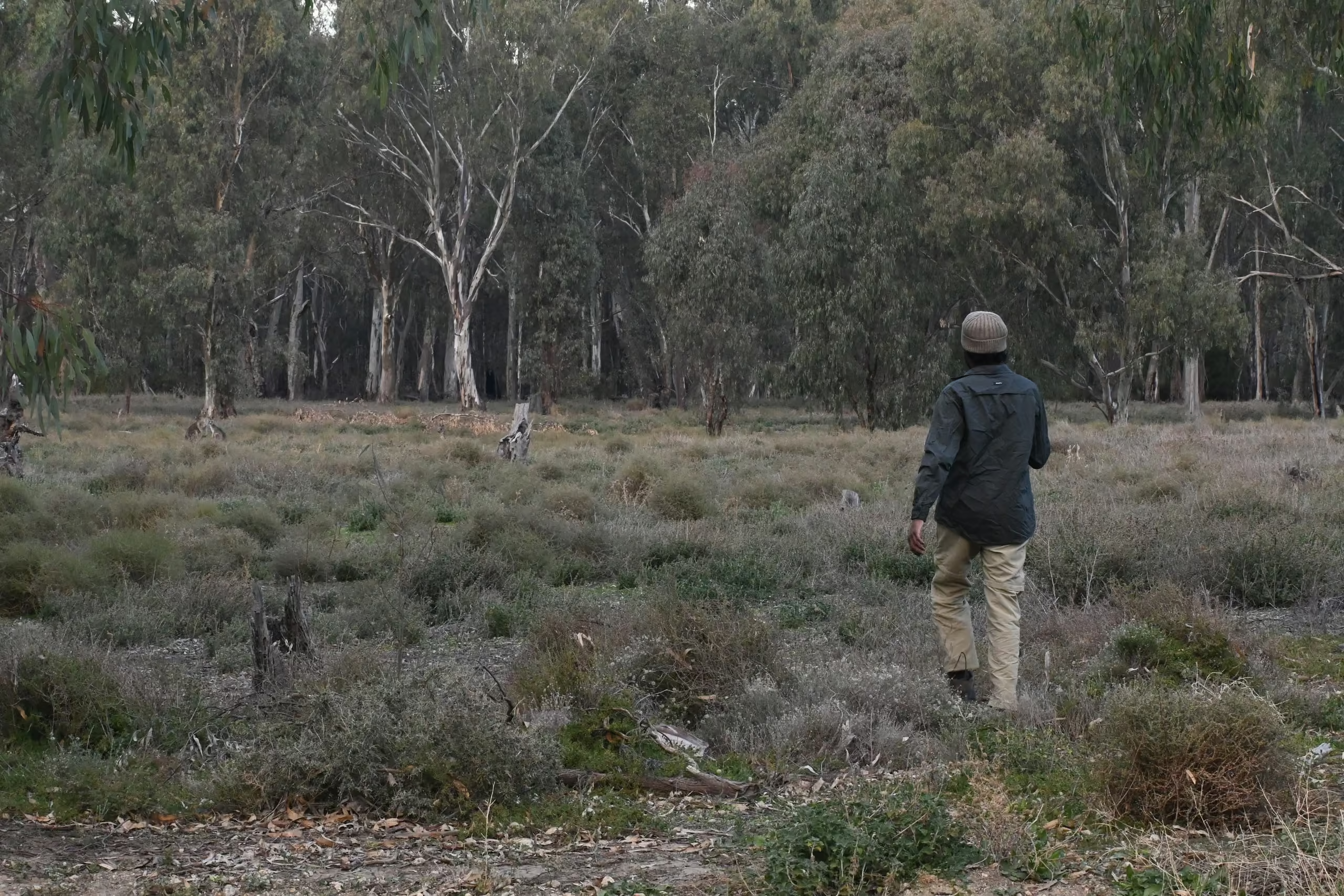
ESEA ecologist walking a survey transect through grassy woodland in regional NSW

Environmental due diligence for industrial acquisition

Ecological constraints review before you buy or commit to a site, so biodiversity risk is priced into the decision.
BEFORE YOU START

What we tell clients before they start in Blacktown

Resolve the site's certification and planning status before choosing the report type. Neighbouring developments in Blacktown regularly have different ecological requirements because one lot is certified and the next is not.

Degraded woodland, scattered mature trees, and modified creek corridors still require thorough consideration, and a proposal's effect extends through roads, services, basins, and asset protection or maintenance areas beyond the building footprint. ESEA maintains regular liaison with council's biodiversity staff on ecological evidence and requirements, which helps our reports gain approval the first time.

Every Blacktown project is managed by a Senior Consultant from commencement through to completion, with Director-level review of every report. We engage early, while the masterplan can still respond to the certification boundaries and the woodland, and we look for practical compliance solutions that support approval while protecting subdivision yield or gross floor area. You get responsive communication, a clear timeline, and a report written for the way council's biodiversity staff assess it.

FAQ

Common questions about Blacktown

It depends on the instrument, its mapped boundary, and the proposed works. Legacy Growth Centres certification and the Cumberland Plain Conservation Plan cover different land with different conditions, and external works such as a sewer lead-in are often outside both. We check the instrument against the lot and the works before quoting, usually in a two to five day desktop review.

Usually yes for assessment purposes. Cumberland Plain Woodland in poor condition is still the listed community, which simply scores differently in the BAM calculator, and scattered paddock trees with hollows carry habitat obligations of their own.

Inside the North West Growth Area precincts, the Growth Centre Precincts DCP and the precinct plan; outside them, the Blacktown DCP 2015. Council's vegetation management plan template applies to VMPs across the LGA.

A BDAR generally starts from about $15,000 plus GST and a Flora and Fauna Assessment from about $8,000, with the presence of Cumberland Plain Woodland, the number of hollow-bearing trees, and whether species surveys are needed moving the figure. A vegetation management plan to council's template is typically $7,500 to $10,000.

Other areas we serve

Environmental consultants across Western Sydney

Environmental consultants across Western Sydney

ESEA’s environmental consultants are Western Sydney specialists, with extensive experience delivering ecological assessments, environmental approvals, and specialist consulting services across all eight local government areas of the Western Parkland City.
View area
Environmental consultants in The Hills Shire

Environmental consultants in The Hills Shire

ESEA’s environmental consultants are Hills Shire specialists, with extensive experience delivering ecological assessments, environmental approvals, and specialist consulting services across The Hills Shire Council local government area.
View area
partner with us

Start with the site or project

Tell us about your site, project, or research programme, what you are looking to achieve, and the current stage of your project. We will review the available information, identify the likely environmental requirements, and prepare an itemised proposal, typically within two business days for straightforward enquiries.