Environmental consultants in The Hills Shire
ESEA’s environmental consultants are Hills Shire specialists, with extensive experience delivering ecological assessments, environmental approvals, and specialist consulting services across The Hills Shire Council local government area.

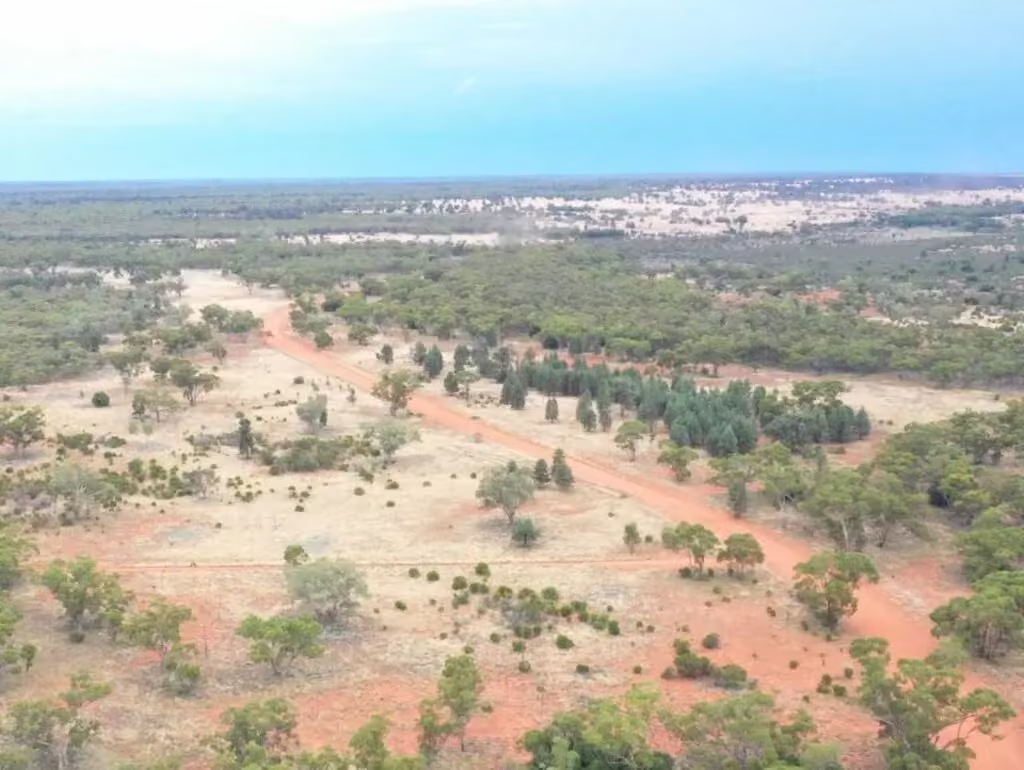
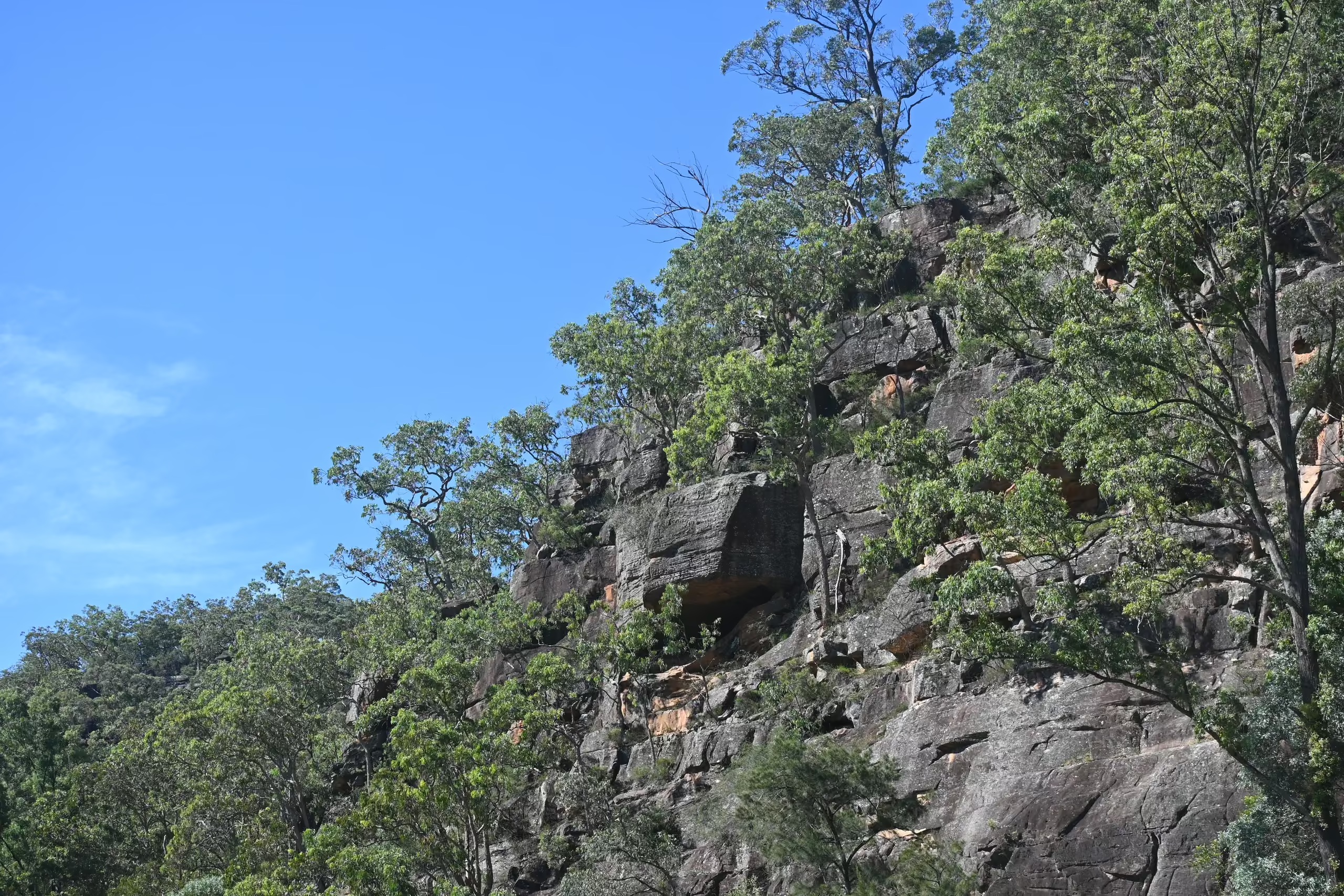
The Hills Shire runs from urban release areas around Norwest and the Balmoral Road Release Area through established suburbs to the vegetated rural and bushland country of Kenthurst, Dural, Glenorie, and Maroota, and the applicable controls, biodiversity mapping, and habitat features change with each. ESEA has experience across the Shire in pre-acquisition due diligence reports for large-scale subdivisions; DA-ready biodiversity development assessment reports; Land and Environment Court proceedings; retrospective assessments that reconstruct a baseline after historical clearing; post-clearing inspection and certification; and the assessment of a State Significant extractive industry proposal at Maroota.
Quick facts for The Hills Shire
Council
Population and area
About 216,000 residents (ABS ERP 2024) across roughly 386 square kilometres
Site-specific controls
Balmoral Road Release Area, Norwest, and Rouse Hill have their own DCP parts; Box Hill and North Kellyville are North West Growth Area precincts
Threatened communities and species
Blue Gum High Forest, Shale Sandstone Transition Forest, Cumberland Plain Woodland in the west, Powerful Owl, Southern Myotis, Grey-headed Flying-fox, among others
Waterways
Cattai Creek, Caddies Creek, Second Ponds Creek, the Hawkesbury River at Wisemans Ferry
Distance from ESEA
About 33 kilometres, roughly 40 minutes, from Pyrmont to Norwest or Castle Hill
Council rules and assessment pathways in The Hills Shire
The Hills DCP 2012 and Tree Management Guidelines give effect to clause 5.9 of the LEP, with a Tree Management Application for removal or pruning of more than ten per cent of a tree and a separate Native Vegetation Clearing Application for minor native vegetation clearing not covered by consent or a bushfire hazard reduction certificate. Approval is not required for trees within three metres of an approved dwelling or structure, and habitat trees, including dead hollow-bearing trees, are captured.
Site-specific parts of the DCP apply to the Balmoral Road Release Area, Norwest, and Rouse Hill, while Box Hill and North Kellyville sit in the North West Growth Area precinct framework, and Council publishes guidance for vegetation and biodiversity management plans that plans are expected to follow. In the bushfire-prone rural areas the 10/50 code sits alongside these controls. Rouse Hill spans the Blacktown boundary, so the first check on a Rouse Hill site is which council it is actually in.
Where the work is
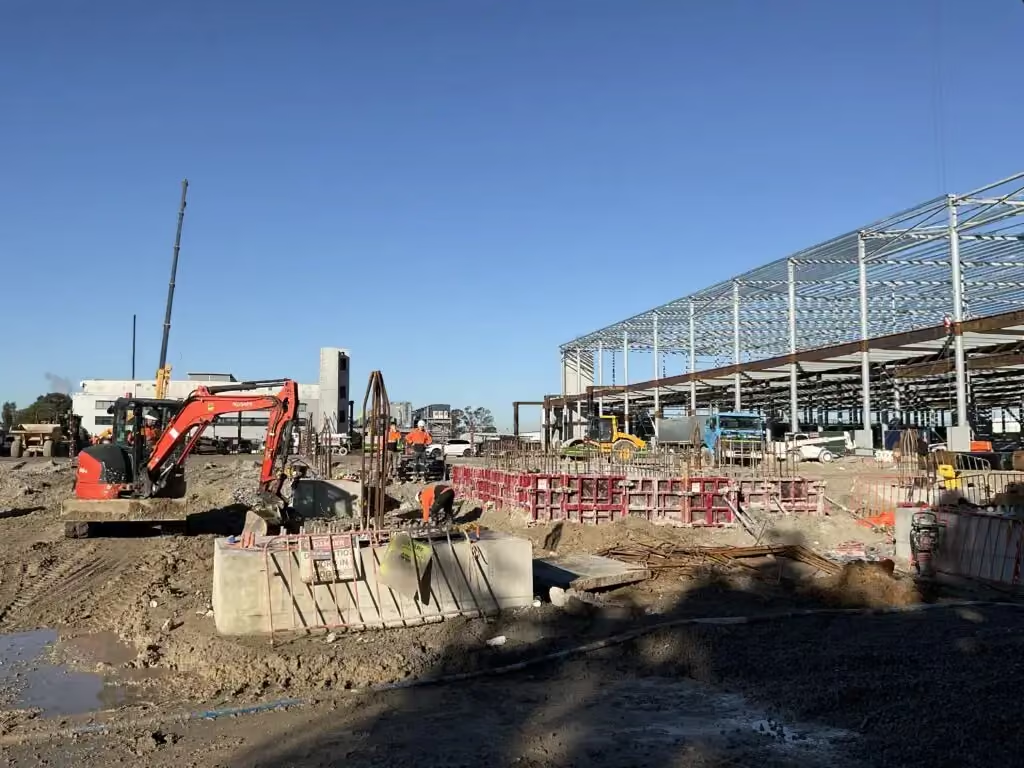
Release-area subdivision in the Balmoral Road Release Area and along Windsor Road at Norwest, infill around the Sydney Metro Northwest corridor through Bella Vista, Kellyville, and Rouse Hill, greenfield development at Box Hill and North Kellyville, rural subdivision and dwellings at Kenthurst, Dural, and Glenorie, and extractive industry at Maroota generate the work.
ESEA's work in The Hills Shire
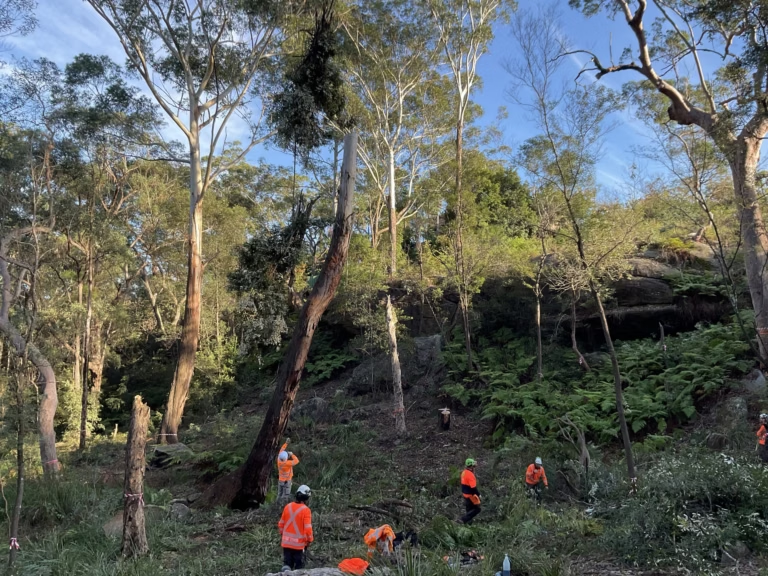
At Windsor Road, Norwest, ESEA's small area biodiversity development assessment report supported a proposed 27 lot subdivision in the Balmoral Road Release Area affecting about 0.31 hectares of native vegetation across three Plant Community Types, with hollow-bearing stags and a large Forest Red Gum with multiple hollows, and connected the field findings and species assumptions to the credit outcome before clearing rather than during it. Biodiversity due diligence for a neighbouring Windsor Road site and arboricultural impact assessments for both sat alongside.
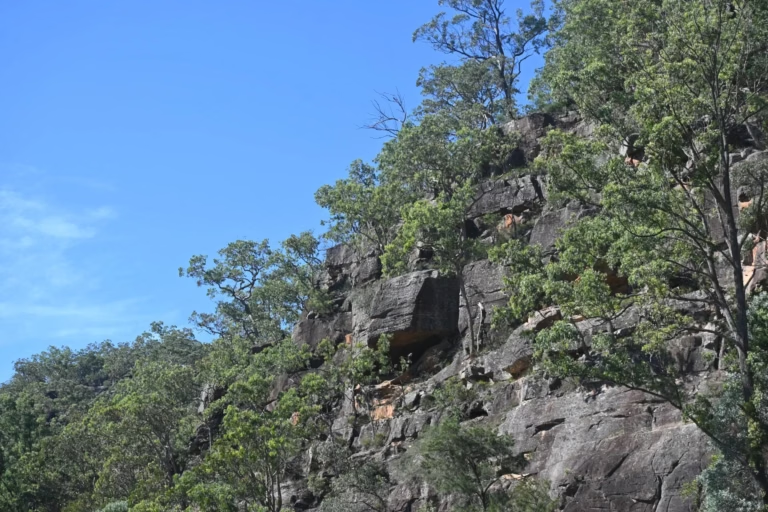
At Maroota, ESEA has prepared the biodiversity development assessment report and environmental reports considering riparian constraints for a State Significant extractive industry proposal, planned around large areas of retained vegetation and threatened species habitat.
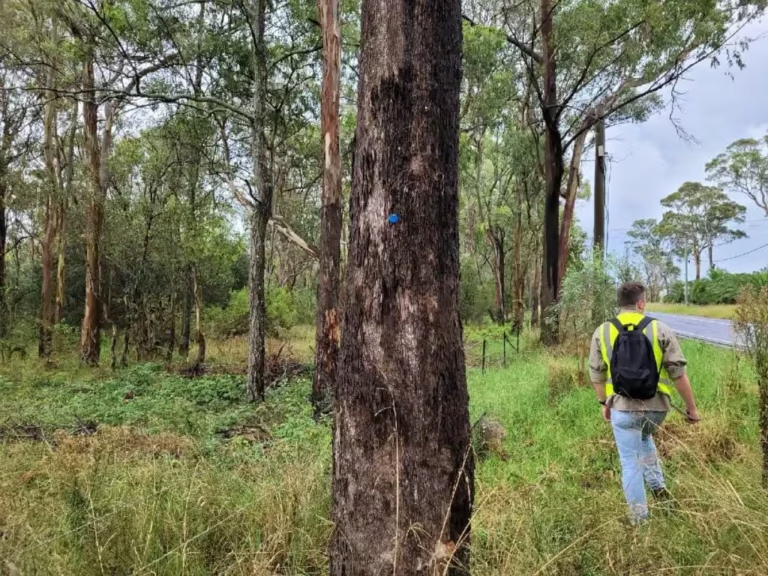
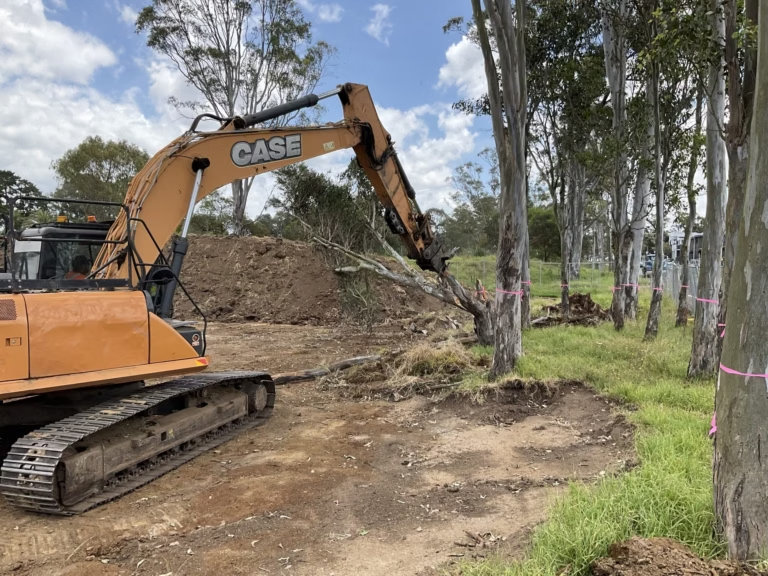
At Colbran Avenue, Kenthurst, a small area BDAR reconstructed the ecological baseline after historical clearing as well as assessing the proposed development, and at Kenthurst Road, Dural, ESEA carried out post-clearing inspection and monitoring. Clearing certification on Annangrove Road at Rouse Hill, habitat mitigation at Fingal Avenue, Glenhaven, and a Powerful Owl habitat study using acoustic and endoscope methods ahead of proposed floodlighting at Castle Hill round out the Shire portfolio.


Arboricultural impact assessments for subdivision proposals on Windsor Road at Norwest, prepared alongside a Small Area BDAR that identified hollow-bearing stags and a large Forest Red Gum with multiple hollows.

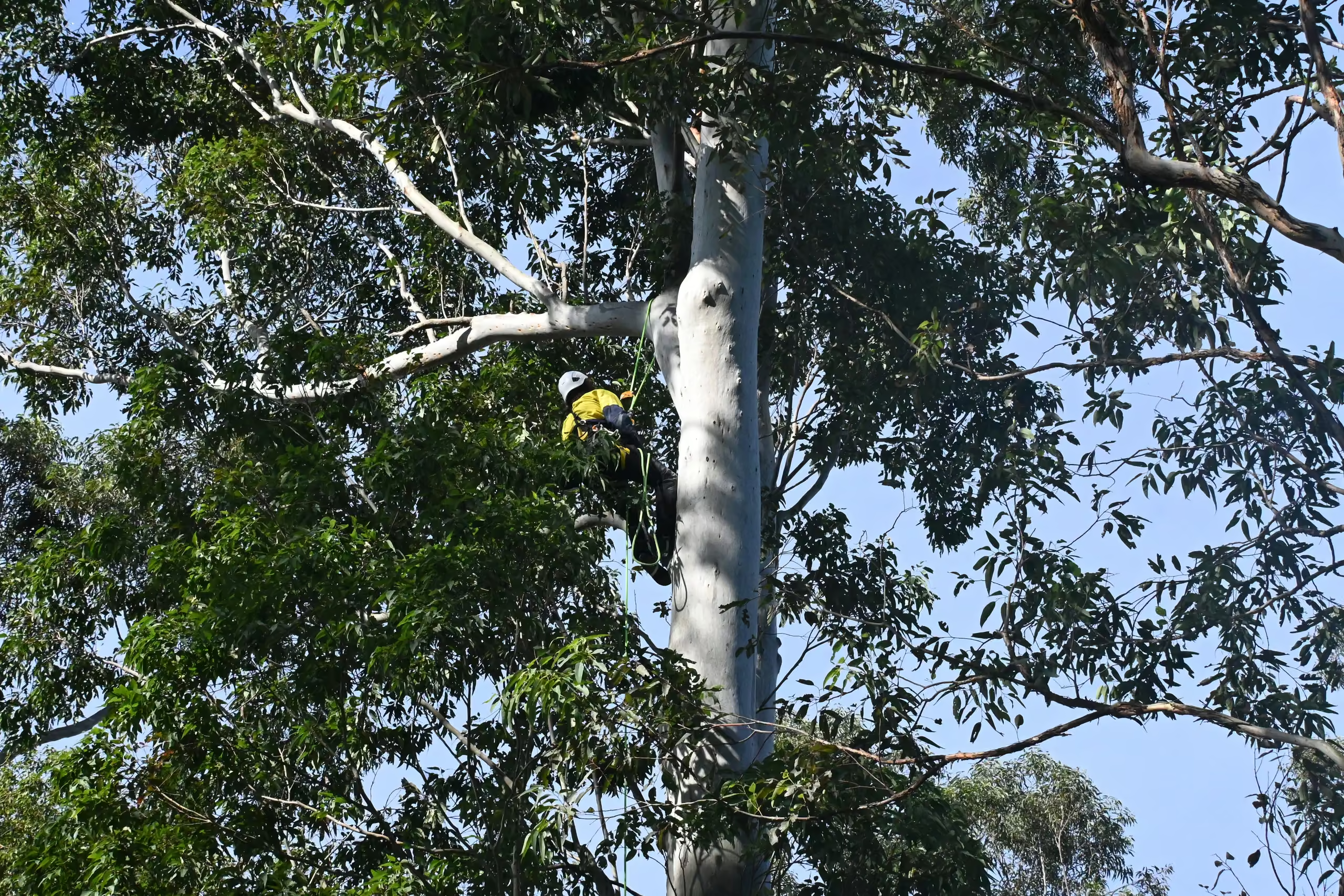
Ultrasonic and acoustic monitoring combined with endoscope inspection to identify Powerful Owl habitat at Castle Hill, so proposed new floodlighting could be designed around it.

Environmental support for a State Significant extractive industries proposal at Maroota, planned around large areas of retained vegetation and threatened species habitat.
Places we work near
Windsor Road and the Balmoral Road Release Area at Norwest, Bella Vista and the Metro Northwest corridor, Castle Hill, Kenthurst and Annangrove Road, Kenthurst Road at Dural, Glenhaven, Box Hill, Cumberland State Forest at West Pennant Hills, Maroota on Old Northern Road, and Wisemans Ferry on the Hawkesbury.
Services most requested in The Hills Shire

Small area and full biodiversity development assessment reports

Biodiversity due diligence before acquisition

Arboricultural impact assessments coordinated with the BDAR

Targeted owl and microbat surveys of hollow-bearing trees

Clearing certification, post-clearing inspection, and monitoring

Habitat mitigation and nest box installation

State Significant Development biodiversity assessment
What we tell clients before they start in The Hills Shire
Agree the survey programme early enough for the design team to understand its options. Where a hollow-bearing tree means Southern Myotis and Powerful Owl are assumed present, the credit outcome depends on both the ecological evidence and the assumption, and completing the targeted surveys is a choice with a cost and a timeframe on each side.
Disclose historical clearing at the start. It affects the baseline evidence and how impacts are described, and preparing a retrospective assessment is not the same as obtaining permission for earlier works. Check which council a Rouse Hill site is in before anything else.
Each project in The Hills is managed by a Senior Consultant from commencement through to completion, with Director-level review of every report. We engage early, so survey timing, hollow-bearing trees, and any historical clearing are dealt with before they hold up the application, and we look for practical compliance solutions that support approval and protect lot yield. You get responsive communication and a clear timeline throughout.
Common questions about The Hills Shire
Often. A hollow suited to owls or microbats means those species are assumed present in a BDAR unless a survey to the guideline shows otherwise, and each assumed species generates credits. Whether to survey or offset is a decision we set out with the cost and timing of each.
Not without approval. The Hills' controls capture habitat trees including dead hollow-bearing trees, and they are habitat for owls, gliders, and microbats.
A small area BDAR generally starts from about $15,000 plus GST, with the number of Plant Community Types, hollow-bearing trees, and assumed species moving the figure. The arboricultural impact assessment usually prepared alongside it is typically $7,000 to $15,000.
Tell us. The assessment reconstructs the baseline from the evidence available and describes the impact honestly, as ESEA did at Kenthurst, and the report is not retrospective permission but it is the only way the application proceeds on a sound footing.
Other areas we serve
Start with the site or project
Tell us about your site, project, or research programme, what you are looking to achieve, and the current stage of your project. We will review the available information, identify the likely environmental requirements, and prepare an itemised proposal, typically within two business days for straightforward enquiries.